
Shonen Jumpscare: Supernatural Tales from the #1 Manga Magazine
While mostly known from alien martial arts masters, tyrant-punching pirates and flamboyant muscle men doing dynamic poses, Shonen Jump has a plethora of titles dealing with horror and the supernatural. From 90s classics like Yu Yu Hakusho and Hell Teacher: Jigoku Sensei Nube all the way up to the modern day, horror and horror-adjacent titles have been a substantial part of Jump’s brand identity.
You’ve probably heard of a lot of these titles. Death Note, Chainsaw Man and Jojo’s Bizarre Adventure have all bled into broader popular culture, while newer titles like Dandadan and Jujutsu Kaisen have captured the attention of devoted manga enthusiasts.
In this post I want to highlight some of the newer and lesser-known supernatural titles available from the world’s number one manga magazine. If you see something you like, follow the links to our catalog and place a hold!
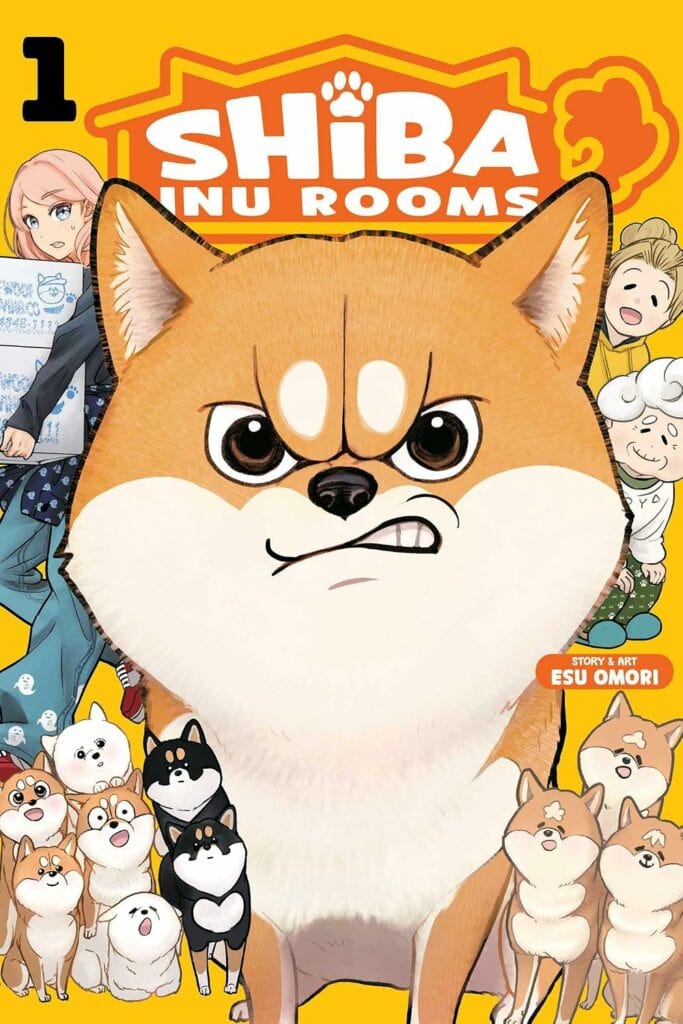
Shiba Inu Rooms
Written and Illustrated by Esu Omori
Check Our Shelves for Shiba Inu Rooms
We’ll ease in with a fun one. Maison Shiba offers affordable living near a great high school. The catch? The apartment is haunted. The upside? It’s haunted by adorable Shiba puppies. The other catch? The ghost puppies can talk!
Kori Momose has never been affected by the horrors of the unknown. She thought this was her chance to finally take advantage of a trait she’s often been bullied for. Living with a disembodied spirit would have been easy enough for someone as numb to horror as she is. But a talking dog that demands to be fed and played with is an entirely different matter.
Kori soon learns that if she gives this dog the love and affection he was denied in life, he may ascend to heaven. But the more Kori gets to know the dog named Mu, the more she grows to genuinely love the little pain in the butt. She opts to keep Mu, but that just raises a new problem: how can she be a good pet owner, but not so good that Mu ascends to heaven and leaves her forever?
While Kori and Mu are the main characters—and my favorites—the other residents of Maison Shiba provide a quirky cast of supporting characters both human and canine. Neighbor Nukumi’s unbridled enthusiasm for Shiba contrasts Kori’s initially cold exterior, and the old landlady—or Floof Lady, as Mu calls her—offers a comforting presence. The cute art style makes these characters all the more endearing.
Shiba Inu Rooms is a masterful mix of sitcom humor and bittersweet drama. While the main draw of the series is the comedic shenanigans of owning a talking dog, the series regularly gutchecks the reader with serious topics like loss, grief, trauma and bullying. These topics are tackled in a way that I found compelling as an adult, but also in a way that could be understood by a younger audience. This series is part of our YA collection, but has a broad enough appeal to dip both above and below that age range. In the case of the latter, I think this would make a great read for those young advanced readers who are growing restless with stories aimed at their own age group.
The series is ongoing and I recently got caught up with all the available chapters online. It’s become one of my favorite dramedies, and I was so happy to see the first volume available in our collection. I hope you give it a shot!
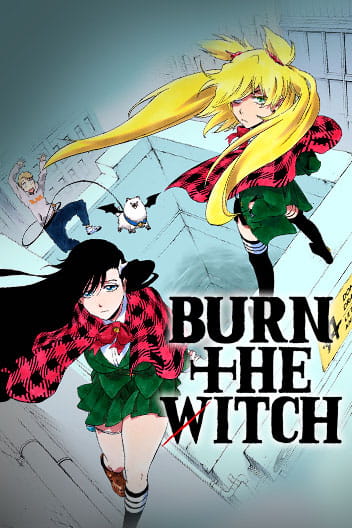
Burn the Witch
Written and Illustrated by Tite Kubo
Check Our Shelves for Burn the Witch
Taking place in modern day London, Burn the Witch features protagonists Ninny and Noel as they handle the Dragons that plague the city. Like the Hollows in Bleach, “Dragons” in this context are spiritual creatures that the average human can’t see. Unlike Hollows—masked monsters that ravenously devour human souls—these Dragons are more varied in both their appearances and temperament. Some are peaceful, doelike creatures that can be tamed and provide resources for Reverse London, the spiritual underground of the mundane “Front” London. Other Dragons, however, are horrifying, sadistic monstrosities that love tormenting humans.
Burn the Witch offers some of Kubo’s most creative and creepy creature designs. While Bleach is known for its cool swords and sexy characters, I feel that an underappreciated aspect of Kubo’s art is his monster design. It’s an easy thing to overlook, as Bleach shifted from the monstrous Hollows as the main villains to more humanoid enemies. In this regard, Burn the Witch sees Kubo returning to what I think he does best.
It also has everything you loved about Bleach: intriguing worldbuilding and quirky characters with sexy designs and a tendency to wax philosophical. Long time Bleach fans will be familiar with the character tropes in Burn the Witch, but the considerably smaller cast allows you to understand the characters on a deeper level.
I’ve focused a lot on comparing Burn the Witch to Tite Kubo’s previous work, but that’s because I think devoted Kubo fans will get the most out of this series. If you didn’t enjoy his previous works, Burn the Witch probably won’t change your mind. But if you especially enjoyed the monster-of-the-week style of early Bleach chapters, Burn the Witch is a return to form that you’ll likely enjoy. And if you’re totally new to Kubo’s work, you’ll probably be better off starting with the series that made him famous.
I should also note that this series is a passion project that Kubo is working on at his own pace, so there’s only one volume with four chapters available at the time of writing. Even so, I’ve gotten attached to the two leads of the story in the short amount of time I’ve gotten to know them.
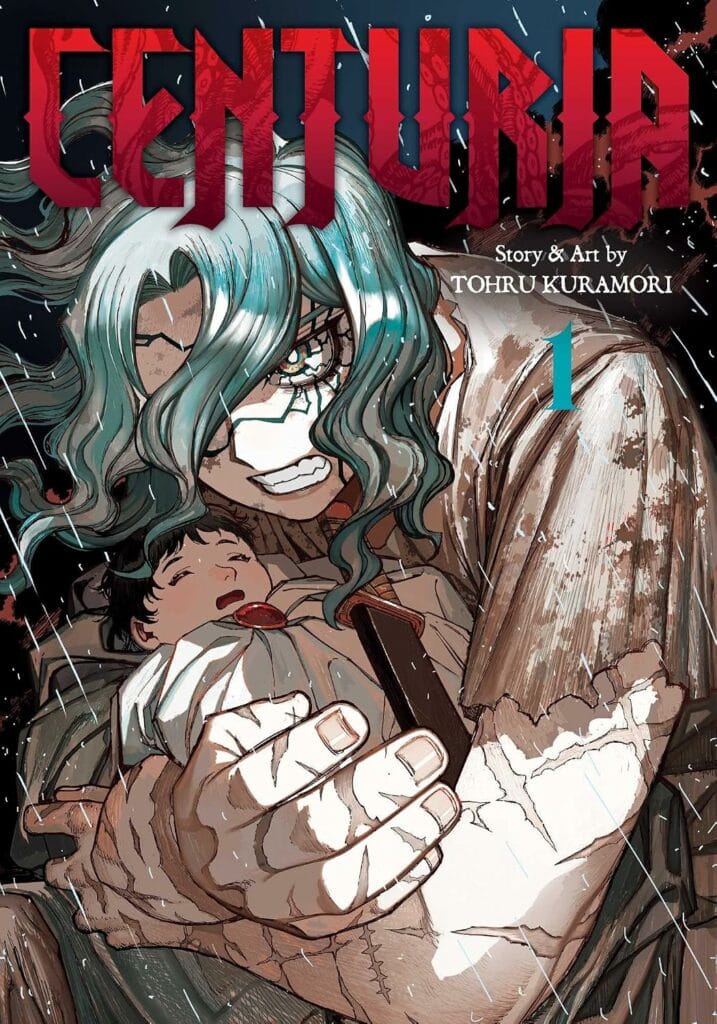
Centuria
Written and Illustrated by Tohru Kuramori
Check Our Shelves for Centuria
While Shiba Inu Rooms is a family-friendly comedy and Burn the Witch is an adventure series with some disturbing imagery and risque humor, Centuria is where we get into full-on bloody, disturbing dark fantasy.
After escaping the slaver that his own mother sold him to, Julian stows away on a slave ship. Unknown to Julian, the slavers running the ship are planning to sacrifice the 100 enslaved people in order to collect the insurance money. But little did they know, the death of 99 innocent lives was precicely what they needed to awaken an eldritch horror from the deep. In the midst of this horrific scene, the ancient sea god offers Julian and the one remaining slave, Mira, a bargain: one of them will gain the magnificent strength of 100 sacrifices, but the other must die. It’s an impossible and overwhelming choice.
Countless manga over the years have mimicked the dark elements of Berserk, Kenta Miura’s dark fantasy masterpiece. Just as Akira Toriyama’s Dragon Ball shaped how children’s manga would look over the proceeding decades, Berserk shaped the dark fantasy genre both in Japan and beyond (see: Solo Leveling). Miura incorporated many dark elements in Berserk and in doing so makes the light within shine ever brighter. The fleeting gentle moments leave a deep and lasting impact precisely because they occur in such a dreary world, where life is cheap and human bodies are tools to be used.
But while countless imitators have copied the grim world and thrilling action of Berserk, only a precious few gems have its heart. Centuria is the rare manga that shares not just Berserk‘s dark exterior, but its shining soul as well. Julian is driven by the kindness and sacrifice Mira made for him. He was shown love and gentleness for the first time in his life, and it transformed him more than an eldritch god ever could.
Of course, in order for that light to shine even brighter, Centuria has to get dark. As Julian attempts to move forward with his life and pay forward the kindness he was shown, he finds himself in constant conflict with horrifying monsters and even more horrifying men.
Centuria also has similar pacing to Berserk, with the story moving along at a slow pace. But even this early on, you can tell the author is setting up a grand saga. The slow pace helps sell the dreariness of the world and allows the reader to bask in the fleeting moments of joy.
I’m still quite early in my reading of Centuria, but so far it’s shaping up to be a worthy companion to the Kenta Miura classic. If you’re interested in a dark fantasy story that clings to hope, I highly recommend Centuria.