ShortHaus Cinema Directors (Spring 2026)
As the temperatures rise and snow melts away, ShortHaus Cinema is focusing on soft, meditative cinema. For Women’s History Month, we’re featuring Sofia Coppola, a director whose films consistently feature themes of femininity, girlhood, and the interiority of women’s lives. For Arab American History Month, we’re featuring prolific Iranian director Abbas Kiarostami, whose quiet, poetic visuals have been hugely influential. May brings yet another influential director, Yasujirō Ozu, our pick for Asian American Heritage Month. Ozu’s slow-paced melodramas offer beauty and stillness in their naturalistic depictions of everyday people.
Join us each month as we explore the work of these directors to get inspired. If you have any film or video work, finished or in progress, bring it in to get feedback from your fellow creative community members!
March: Sofia Coppola
Tuesday, March 3, 7–8 p.m. (Drop in)
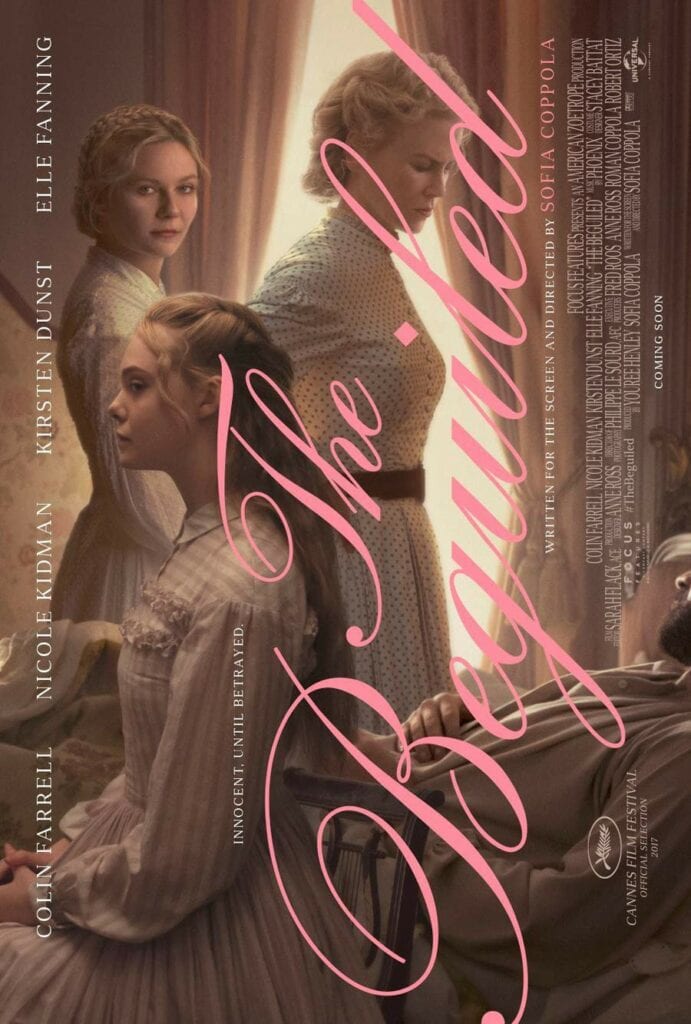
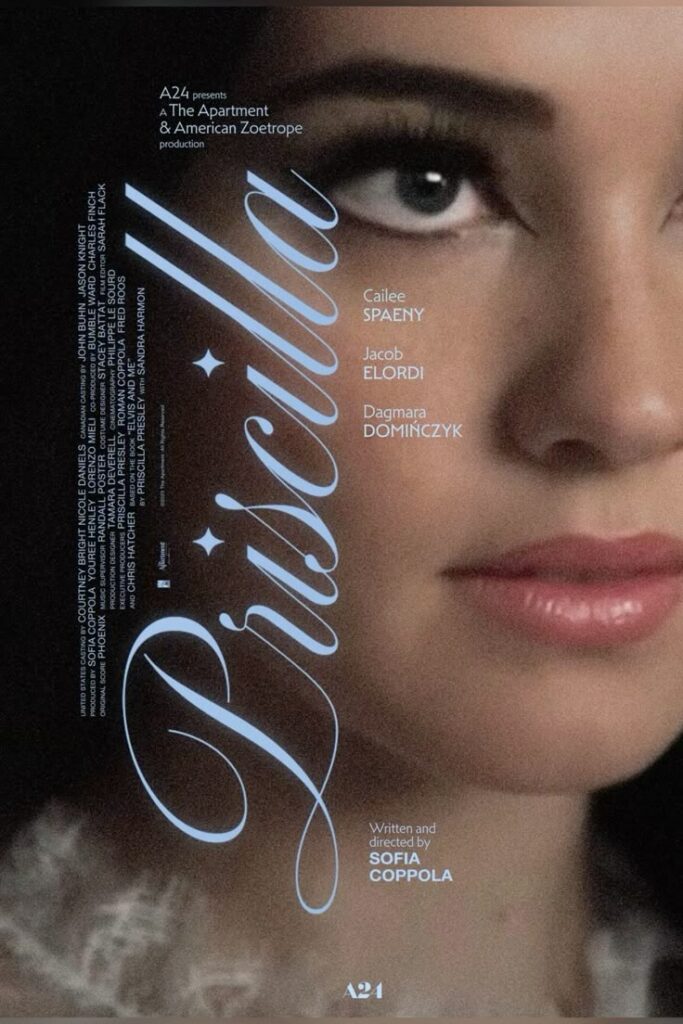
Despite Sofia Coppola’s nepotistic beginnings as the daughter of Francis Ford Coppola, she has become a talented director in her own right. While in the midst of her much-maligned career as an actor, her first work behind the camera was co-writing a script with her father for Life Without Zoe (1989). This short film would appear alongside the work of Martin Scorsese and Woody Allen in the anthology New York Stories (1989), available on Hoopla.
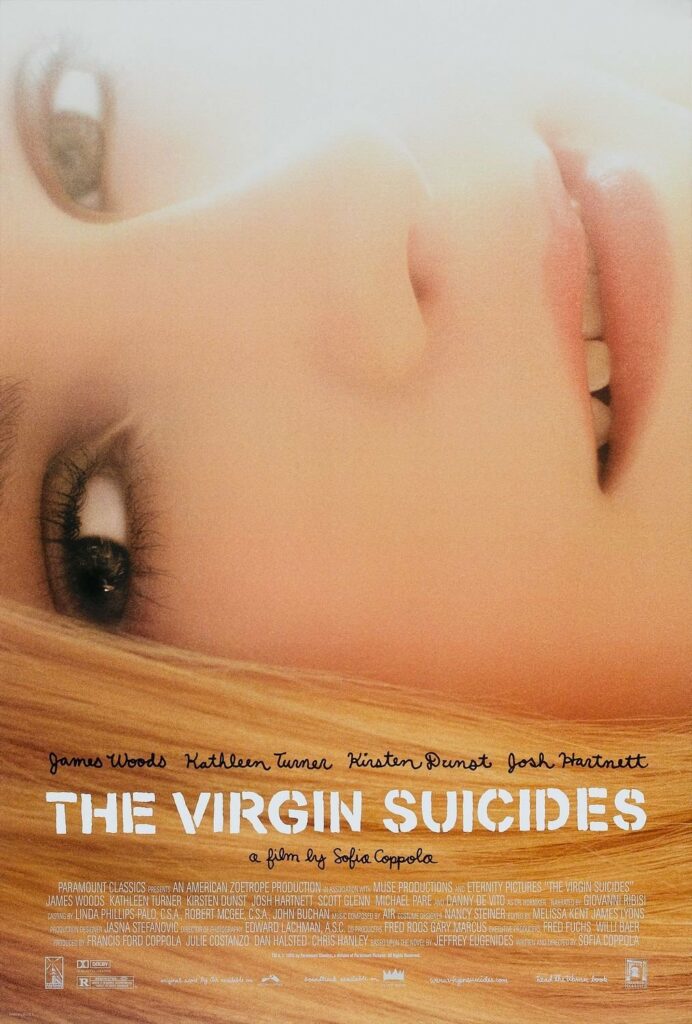
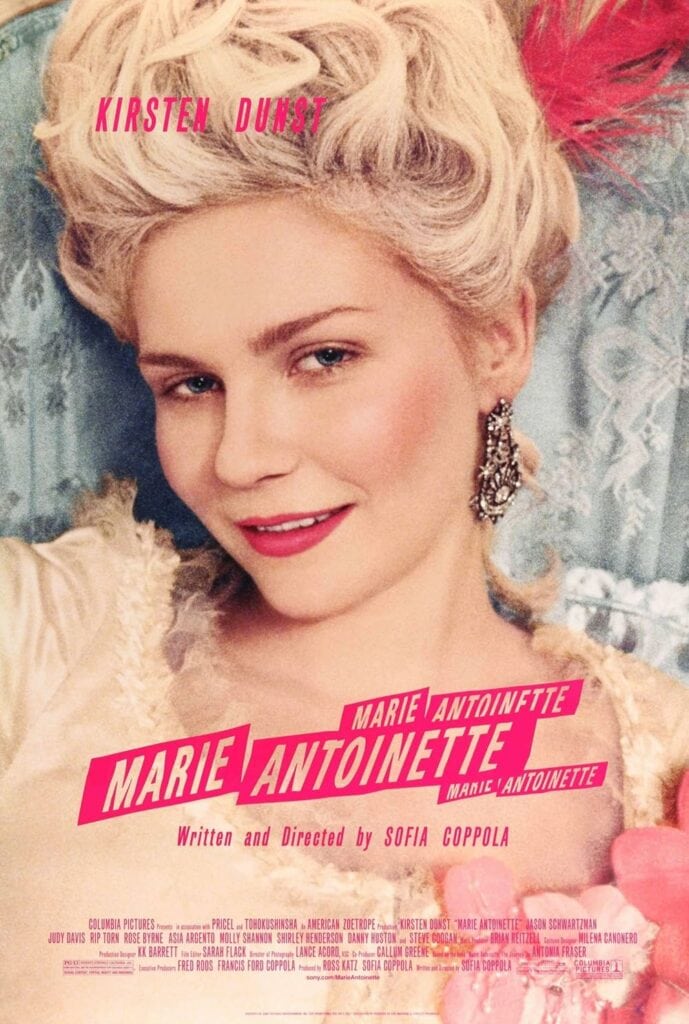
Sofia Coppola dipped into directing with Lick the Star (1998). This short film explores themes that Coppola would frequently return to, particularly the mundanity and brutality of suburban teenage girlhood. This translates most directly to her feature debut, the adaptation of The Virgin Suicides (1989). Since then, she has oscillated between adaptations and original scripts, returning to themes of isolation, celebrity and femininity. Her collaborations with Bill Murray, Lost in Translation (2003) and On the Rocks (2020), explore lonely characters in flux. Her films’ gentle color palettes were featured in the beautiful book Colors of Film: The History of Cinema in 50 Palettes (2023).
Explore Coppola’s films in our collection.
April: Abbas Kiarostami
Tuesday, April 7, 7–8 p.m. (Drop in)
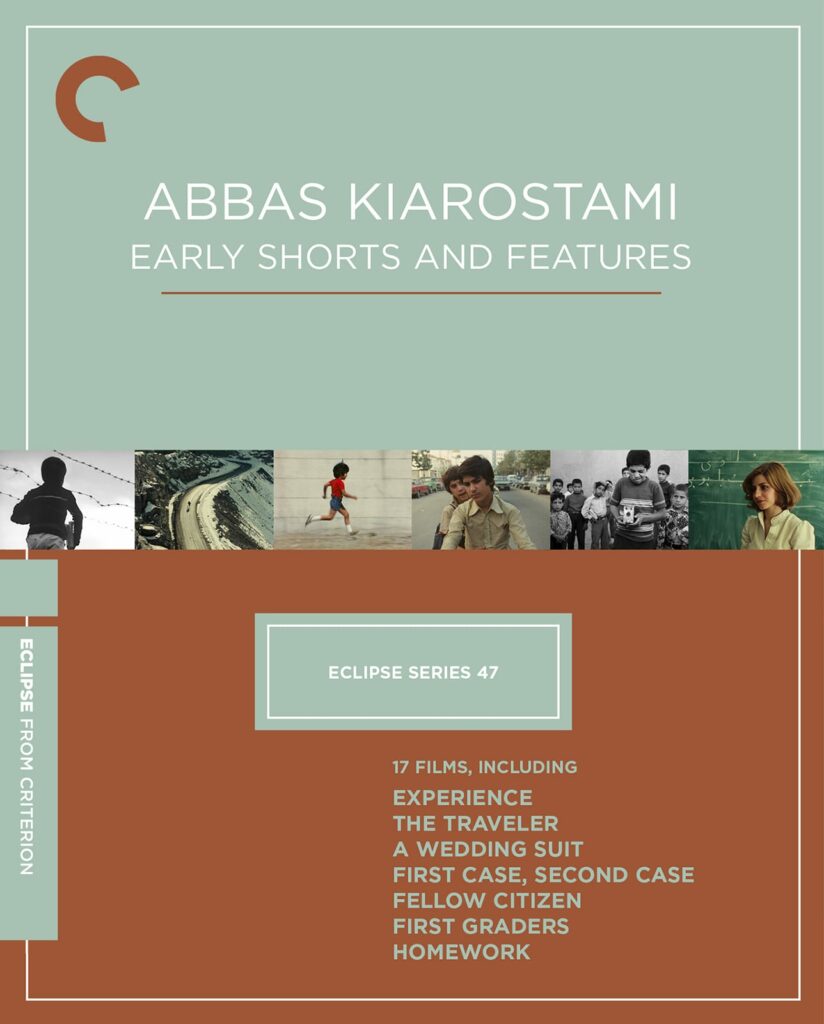
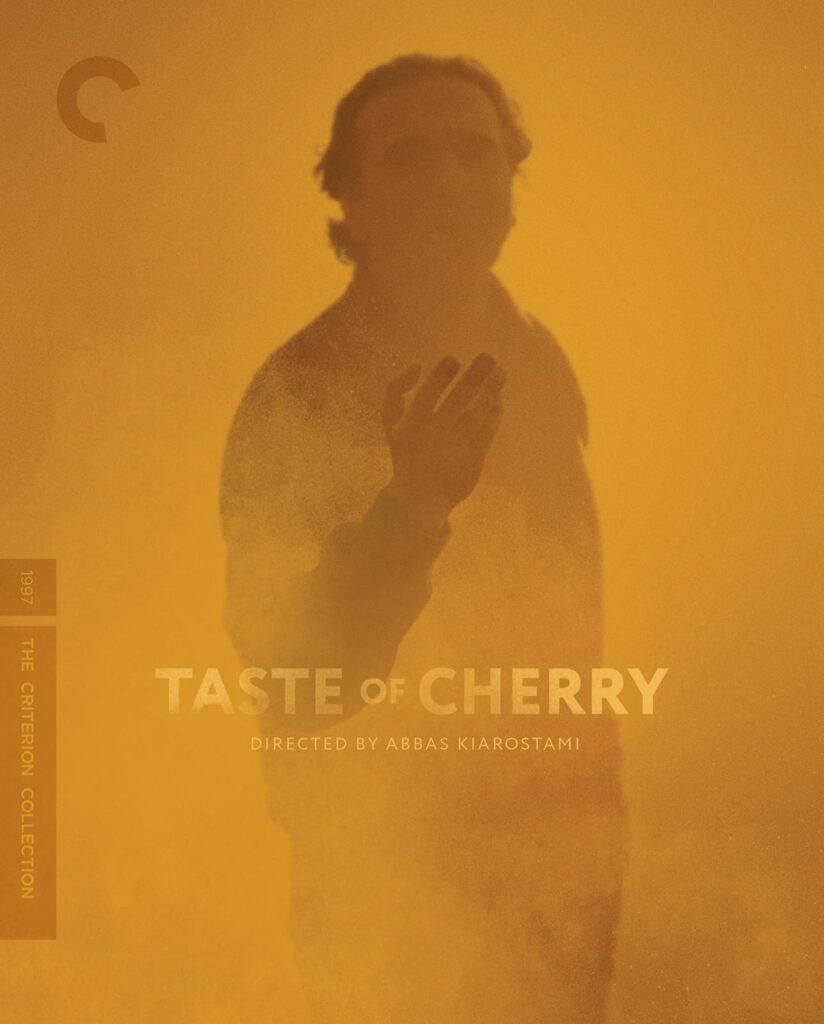
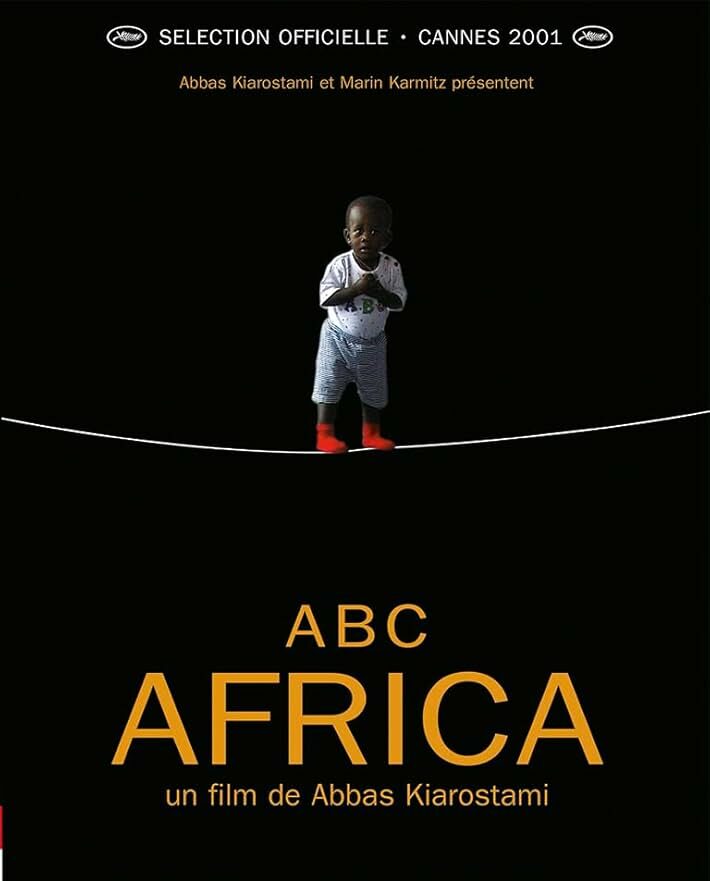
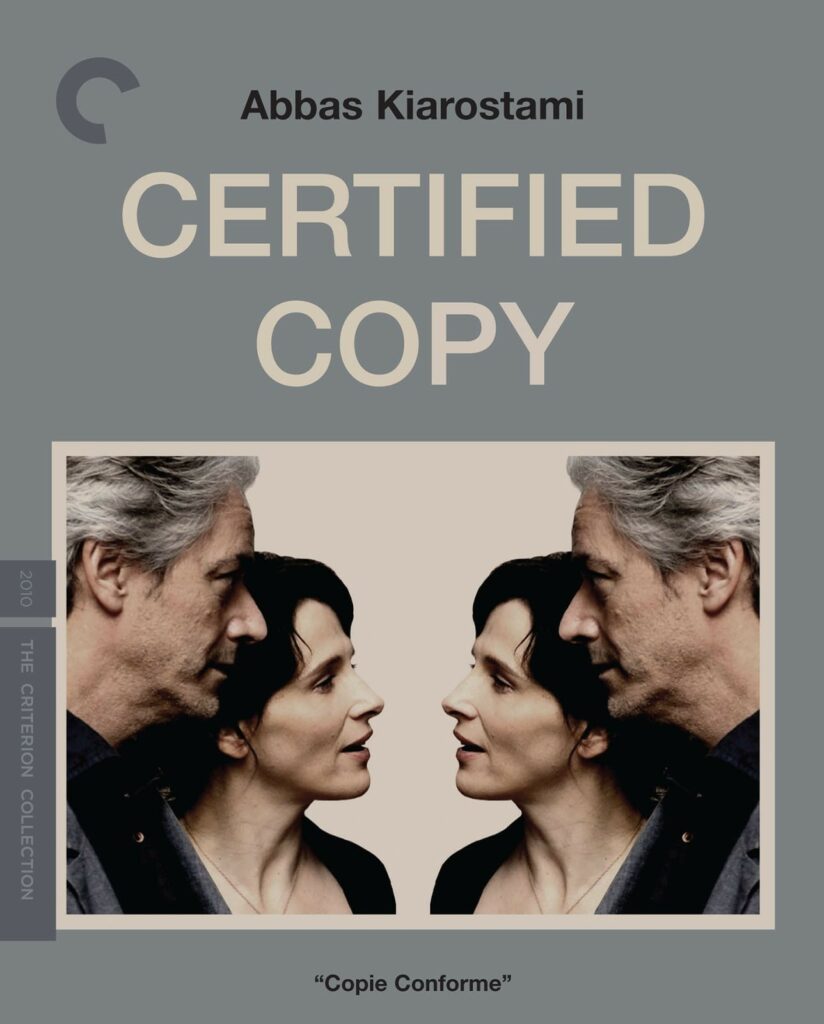
Between 1970 and 2014, Abbas Kiarostami directed 25 feature films and 18 short films, our most suitable director for ShortHaus to date. His films are known for their stylistic cinematography, often favoring innovative visuals over narrative clarity. Lingering shots of languid landscapes give the feeling of a moody tone poem, stitched together with suggested plots.
This realistic approach to cinema has been hugely influential. He was a mentor to previously featured director Rakan Mayasi, and many more filmmakers cite him as a major influence. His film Ten (2002) is captured through video cameras mounted on the dashboard of a car, allowing the viewer to focus on the quiet moments of driving and conversation. This style of filmmaking feels like a natural predecessor to the hidden camera techniques of Jonathan Glazer’s Under the Skin (2013).
Explore Kiarostami’s films in our collection.
May: Yasujirō Ozu
Tuesday, May 5, 7–8 p.m. (Drop in)
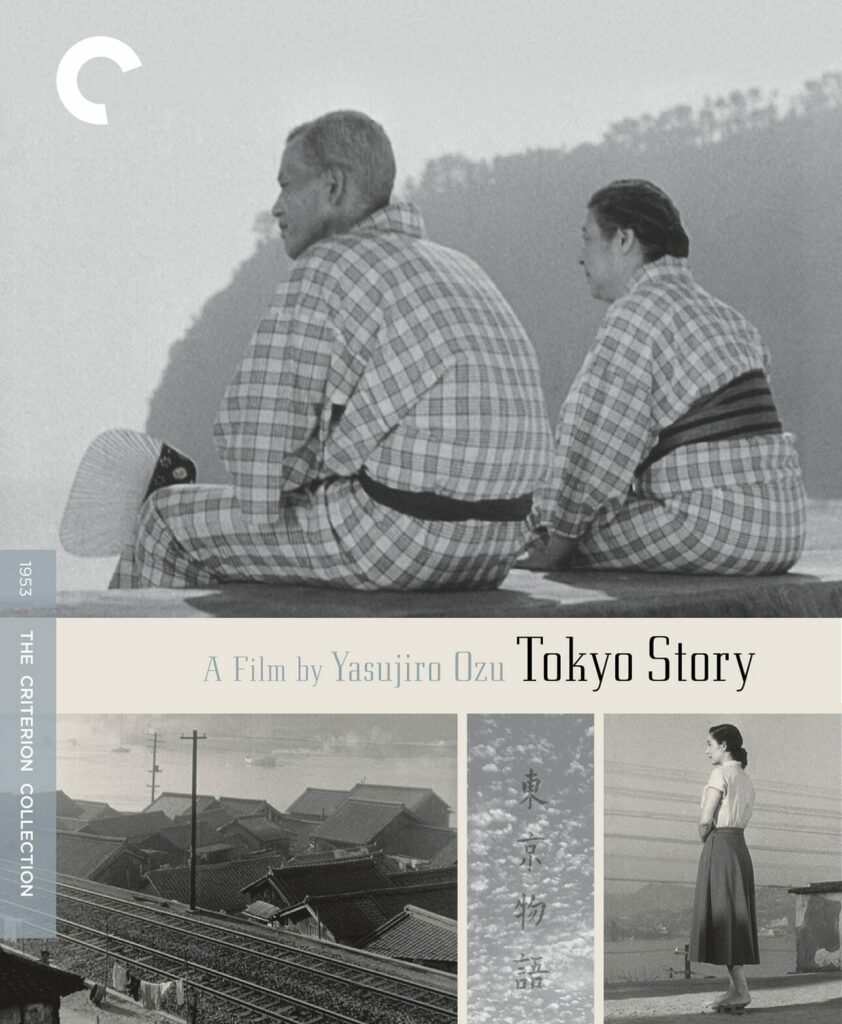
Yasujirō Ozu and his contemporary, Akira Kurosawa, established the Japanese film industry as we know it. Ozu’s decades-long career spanned many iterations of film, from the silent films of the 20s to the color films of the 60s. Much of Ozu’s early career films are lost media, but a short comedy titled A Straightforward Boy (1929) has survived. His late career magnum opus, Tokyo Story (1953), is often regarded as one of, if not the most important, films in the history of cinema.
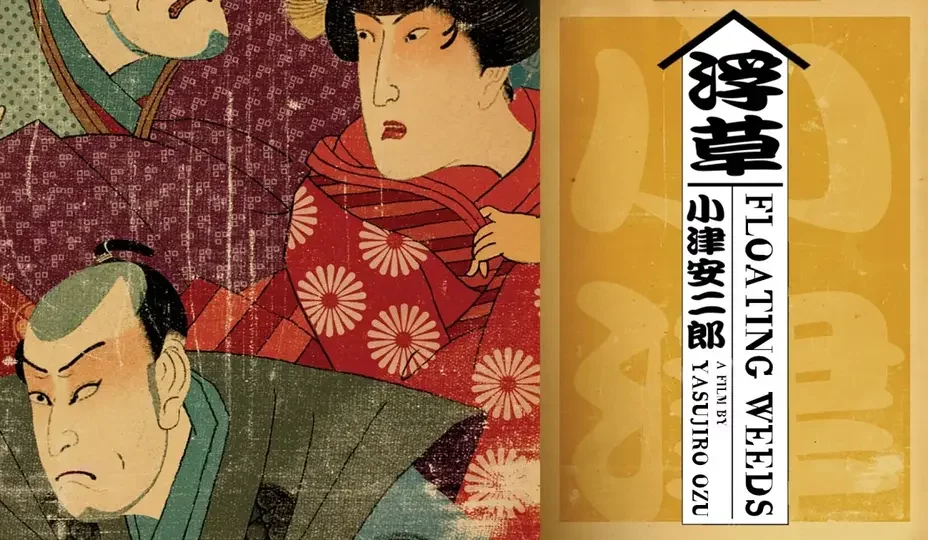
In addition to telling stories about everyday life and people, Yasujirō Ozu would revisit stories of Kabuki actors and troupes. In a short documentary from 1936, Ozu shows off a Kagamijishi, or Lion Dance, performed by renowned actor Kikugoro Onoe VI. In one of his later color films, Floating Weeds (1959), Ozu offers a tender portrait of a troupe of Kabuki actors in a seaside town.
Ozu had his own signature style, often eschewing Hollywood conventions of eyelines, over-the-shoulder dialogue, and tracking shots in favor of low camera angles and motionless shots. Kiarostami references this style in his feature Five Dedicated to Ozu (2003). The film shows five still shots, each lasting 16 minutes, depicting simple environmental scenes of the ocean, waves crashing, people walking by the seashore, and a pond buzzing with frogs.
Explore Ozu’s films on Kanopy and in our collection.