This February, ShortHaus Cinema featured Spike Lee, one of most important directors in the history of Black cinema and a notable director, in general. At a time when Black characters were still mired in stereotype, his early features consistently utilized a vibrant cast with nuanced portrayals of Black life and culture. Those portrayals were made possible through Lee’s equally vibrant cast of collaborators. With his fellow Black artists, Lee created visually stunning and thought-provoking films that engage very directly with racial and interpersonal issues.
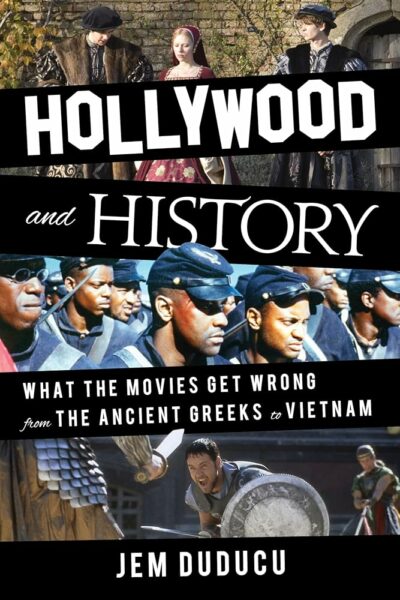
The political nature of Spike Lee’s work is well-known. In Hollywood and History, Jem Duducu aptly described Lee as “a Black filmmaker who doesn’t always make a five-star movie, but always has something to say.” Lee’s best films call into poignant question our country and Black lives within it. And even his weakest films are still provocative.
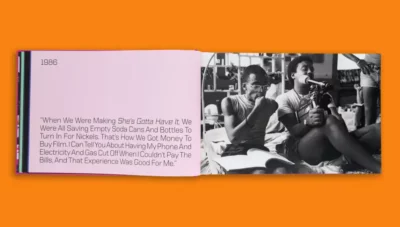
Page spread from Spike’s monograph, featuring the director working alongside Ernest Dickerson on the set of She’s Gotta Have It
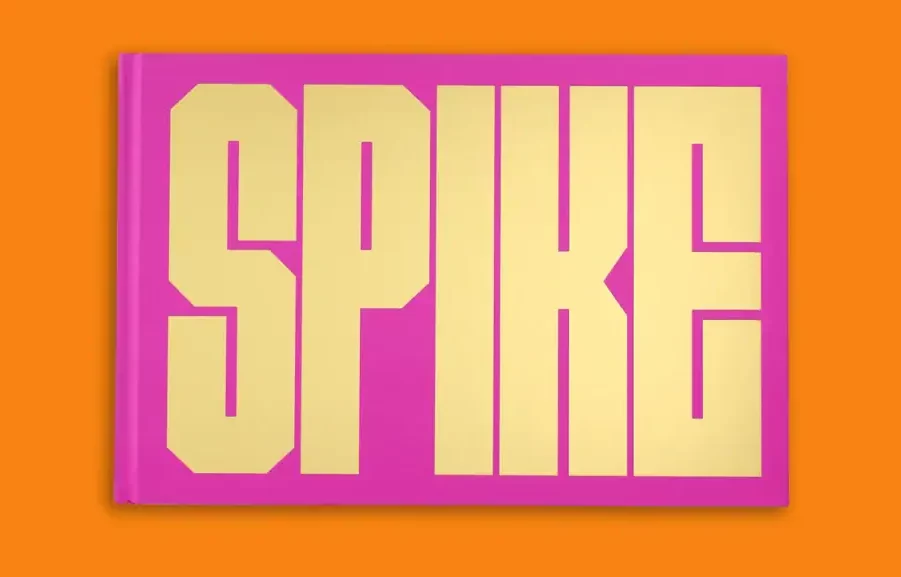
What is less thoroughly discussed, but just as important for getting that political message across, is Lee’s visual style. He acknowledges this in the opening of his career-spanning monograph from 2021: “This book revisits all da werk I’ve put in to build my body of work. Film is a visual art form and that sense of my storytelling has been somewhat overlooked. Why now, after all these years? Folks be forgetting.”
That distinct visual style is accomplished with the help of the Black artists that Lee surrounds himself with. Through their informed aesthetics, the films come across as genuine, lived in, truthfully reflecting whatever segment of the Black experience that particular film is trained on.
Double Dolly Duo
After attending the HBCU (Historically Black Colleges and Universities) Morehouse—like his jazz musician father, Bill Lee (whose own musical talents often pepper the films)—Spike moved on to NYU’s film program at Tisch. He quickly gravitated to the only other HBCU alum, Ernest Dickerson. Dickerson would serve as cinematographer for Lee’s student works Sarah and Joe’s Bed-Stuy Barbershop: We Cut Heads.
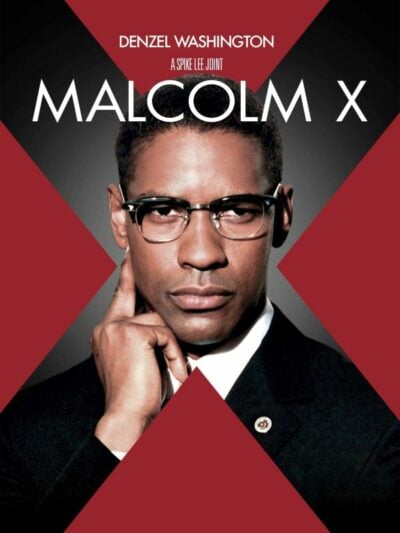
Those early collaborations cemented a decade-long working relationship that culminated in Lee’s career-defining epic, Malcolm X. Together, they would master Lee’s signature double dolly camera movement, used to its greatest effect in Malcolm X’s final, eerie march to his death at the Audobon Ballroom.
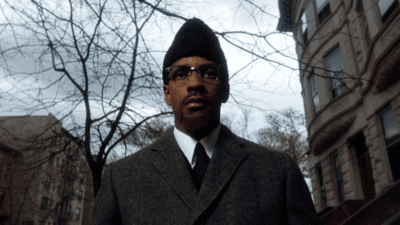
Malcolm X slides forward along with the camera, creating a surreal effect as if he knows what fate awaits him
Colorful Sets Reflect Colorful Life
Sharp cinematography isn’t the only reason Lee’s films stand apart. The production design is also always carefully considered. While commenting on the historical look and feel of Da 5 Bloods, Duducu notes “Like almost all of Lee’s other films, the focus on African American history is razor sharp and details are well researched. Everything looks correct.”
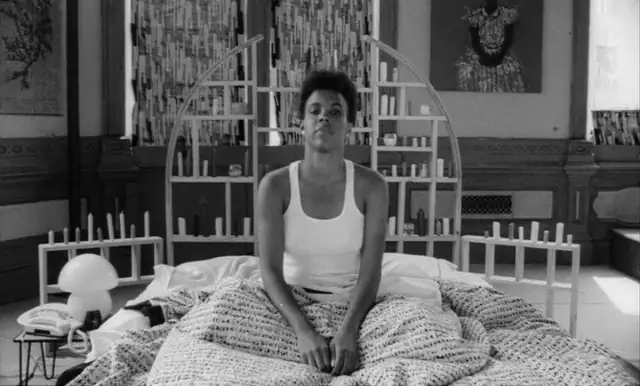
Nola Darling invites the viewer into her bedroom as she reveals her relationship problems
Wynn Thomas is responsible for that razor sharp detail. His collaboration with Spike Lee would begin with Lee’s first film out of school: She’s Gotta Have It. With its iconic headboard and walls decorated with paintings of Black figures, Nola Darling’s bedroom characterizes her as a unique artist herself, engaged with her community.
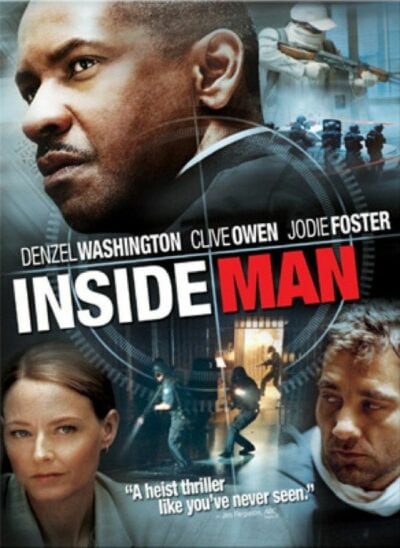
Wynn has worked on 11 of Lee’s films to date, including his first seven along with a few later career works like Inside Man and Da 5 Bloods. Just last year, Wynn received an honorary Oscar, celebrating him as the first Black production designer in Hollywood.
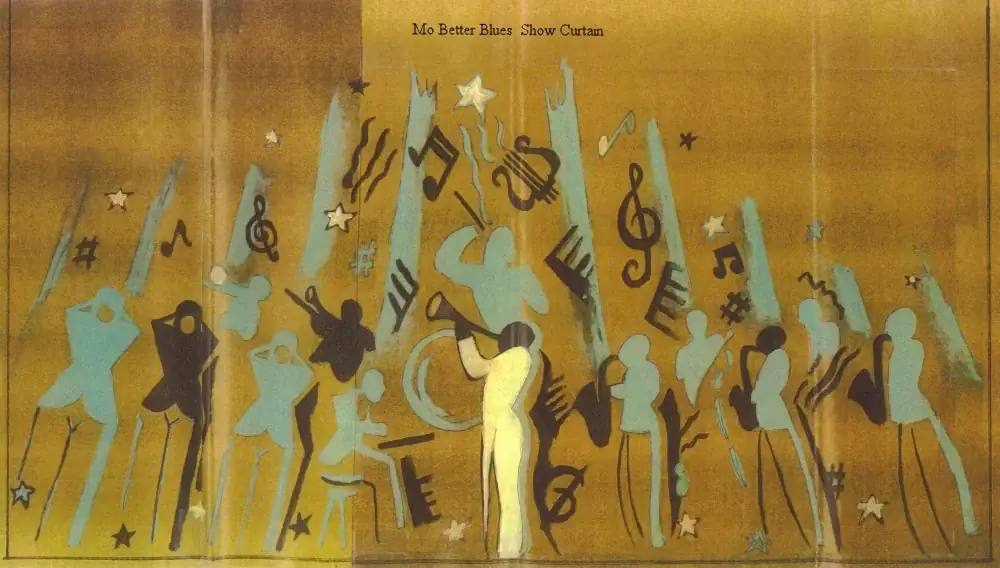
A drawing Thomas made in preparation for Mo’ Better Blues (1990)
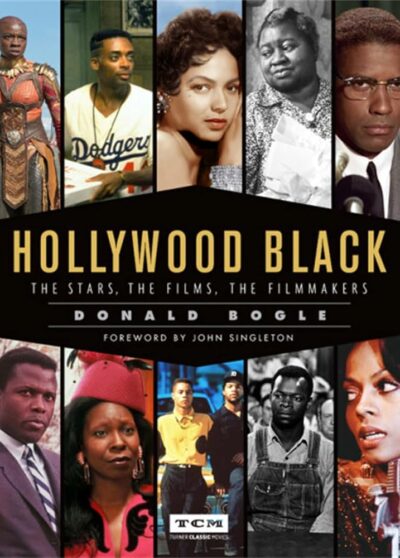
In Hollywood Black, Donald Bogle notes the importance of these two: “Throughout, the cinematography of Ernest Dickerson and set decoration of Wynn Thomas captured the intense colors on the streets and in the interiors that bring the cultural energy of the community to urgent life.” Though Bogle was speaking on Do the Right Thing, the same could be said for all their collaborations of this time.
Fiber of Black Life
Competing with Thomas for most frequent collaborator is costume designer Ruth E. Carter. Although Carter had experience sewing and designing for theater productions, it was Lee who pulled her into the world of film with his one phone call: “This is the man of your dreams… I want you to be the costume designer for my next film, School Daze!”
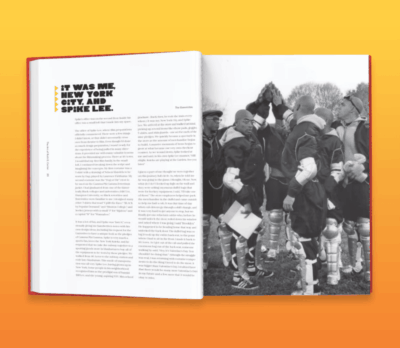
Page spread from “The Art of Ruth E Carter” (1988)
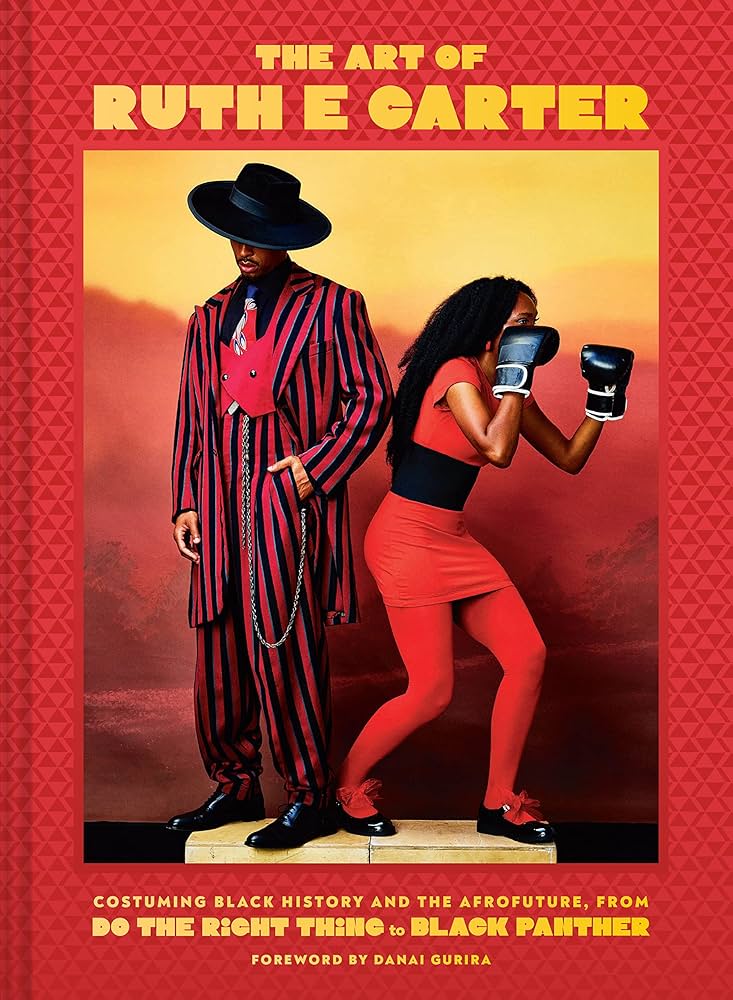
In her recent monograph, The Art of Ruth E Carter, she reflects on their relationship:
“When Spike invited me to work on my first film, it was the beginning of a twenty-five-year-journey taken together by a costume designer and a director… I knew from my beginnings at 40 Acres and a Mule that I could not only design costumes but also express the heart and soul of Black people, their culture, their nuances, my personal experiences as a Black woman.”
Lee demands a level of authenticity for his characters. For Do the Right Thing, he directed Carter to the nearby Fulton Mall to find a jeweler for Radio Raheem’s “Love, Hate” brass knuckles. For the character’s bright “Bed Stuy, Do or Die” tee, she commissioned a local artist, NaSha. Through costuming, Lee and Carter establish Radio Raheem, a man of few words, as a devoted member of his community. All the more tragic, then, is his loss at the end of the film.
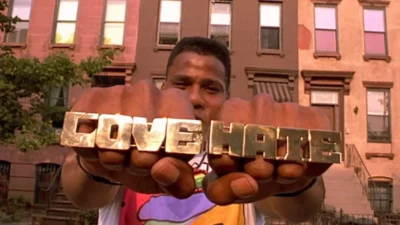
Radio Raheem and his iconic brass knuckles
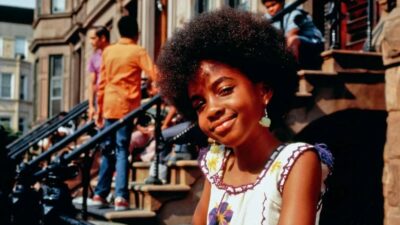
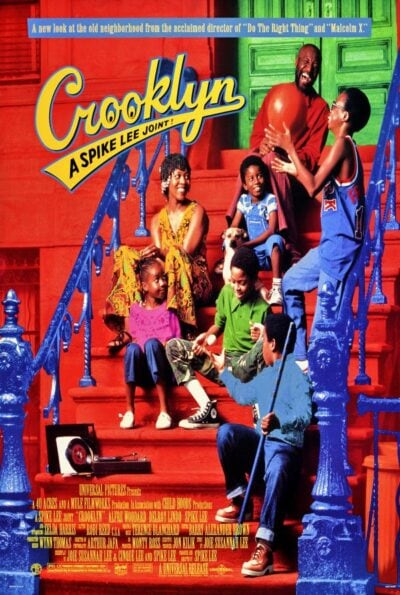
Lee’s semi-autobiographical Crooklyn (1994) comes alive with Carter’s colorful costuming
Carter would go on to do the costuming for fully half (12 out of 24) of Lee’s fictional features to date. Despite her initial hesitancy, she has become one of the most well known of her craft, moving from the world of independent filmmaking to Marvel productions. She’s now a frequent collaborator with previously featured director Ryan Coogler, costuming the Afrofurturist world of Black Panther and slick historical horror of Sinners. Her Oscar wins for Black Panther and Wakanda Forever made history as not only the first Black recipient in that category, but also the first Black woman to earn multiple Oscars in any category.
The attention to detail Lee achieved with the assistance of Dickerson, Thomas and Carter painted beautiful portraits of Black communities in some of the most important films of the last four decades.
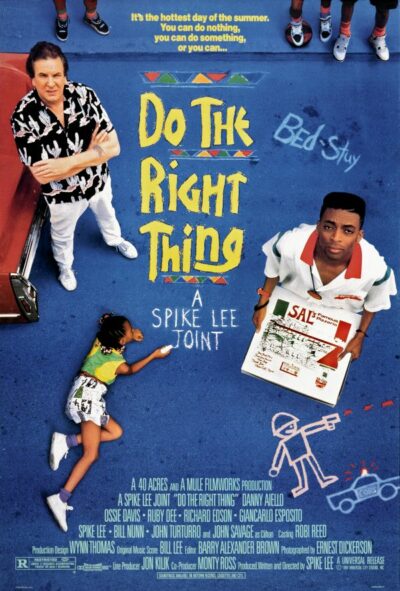
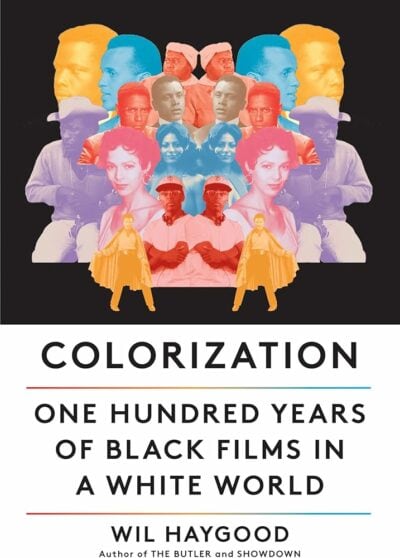
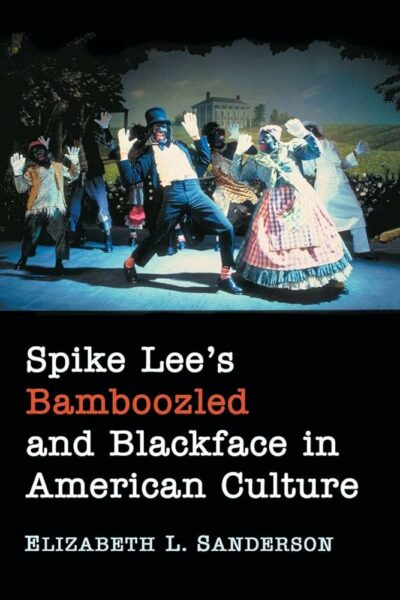
Experience Spike Lee’s filmography within our physical collections, as well as Kanopy and hoopla. Take your curiosity a step further and explore these visually stunning monographs on Spike Lee and Ruth E Carter, or dive into Black film history this Black History Month.
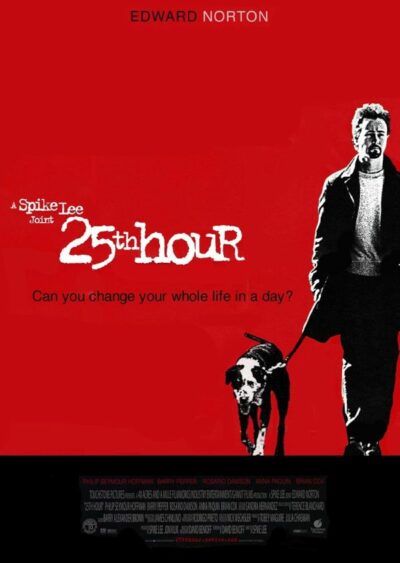
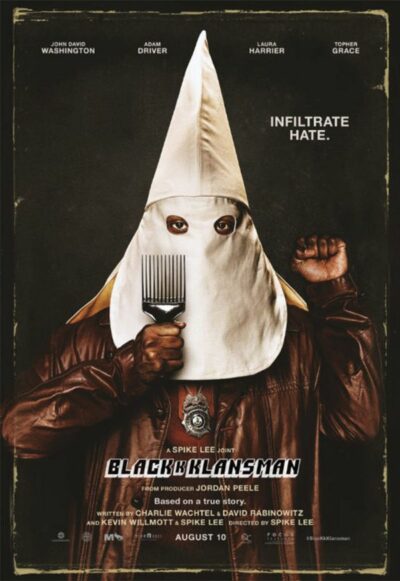
Selected Spike Lee Filmography
Magnificent Monographs
Black Film History
The Stories that Inspired the Films