
Indigenous America 250
When a group of men assembled in the Pennsylvania State House to sign the Declaration of Independence, our area of Northern Illinois was a vibrant hub for the Potawatomi, Odawa and Ojibwe people. The Indigenous people of what would become Will, DuPage and Cook counties traveled seasonally between areas for farming, fishing, hunting and trading. Adding to the cultural fabric of the native communities were French and British traders, explorers and military personnel. Intermarriage between women of Indigenous nations and European arrivals had produced several generations of children who grew up in a culturally dynamic and rapidly changing physical landscape.
While it was not a hotbed of American Revolutionary activity, British-controlled Illinois was the site of a successful side quest for American independence. Virginian George Rogers Clark led a successful military campaign, capturing British outposts at Kaskaskia and Cahokia without a shot. While Clark has formally received a bulk of the credit, the men and women who joined his cause were comprised of French and native peoples of the Illinois country.
Following the Treaty of Paris in 1783, the new United States was ceded British-occupied land westward from the boundaries of the former colonies to the Mississippi River and southward to the border of Spanish-occupied Florida. The native people inhabiting the land were not invited to the negotiations. The rush to claim seemingly free land and abundant resources in the new Northwest Territories would begin a catastrophic countdown for Indigenous communities, many of whom would experience immense changes, violence and ultimately forced migration out of a landscape they had farmed, hunted and called home for hundreds of years.
Reading Recommendations
As we commemorate the events leading up to and after America’s Independence, this is also a time to reflect and learn the glossed over and forgotten parts of early Illinois history, much of which is intertwined with the loss of land, resources and autonomy of Illinois native people. To truly immerse yourself in the stories, experiences and resilience of the First People of Illinois, we have an array of books and resources available for checkout.
At the top of our recommended reading list are Muddy Ground: Native Peoples, Chicago’s Portage and the Transformation of a Continent by John William Nelson and Rising Up from Indian Country: the Battle of Fort Dearborn and the Birth of Chicago by North Central College professor Dr. Ann Durkin Keating. If you find yourself on the waitlist for these two outstanding books, we’ve listed a few more recommendations to add to your reading list.
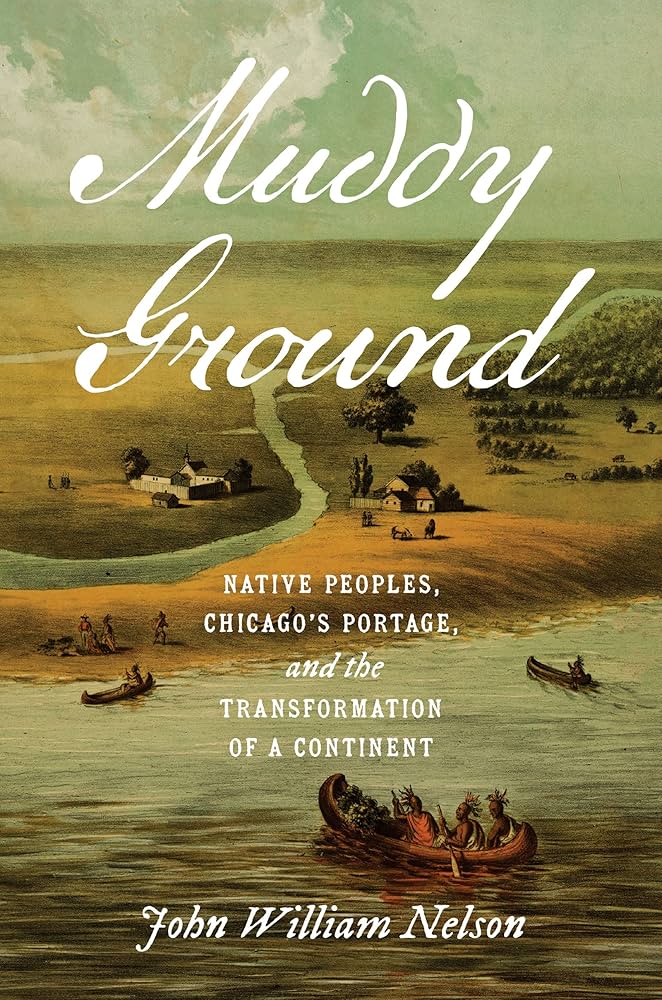
Muddy Ground: Native Peoples, Chicago’s Portage and the Transformation of a Continent
by John William Nelson
Reinterprets early Chicago history by centering it on the crucial, swampy portage connecting the Great Lakes and the Mississippi River. It highlights how Native Americans, particularly the Potawatomi, used this unique ecology to maintain power and resist expansion until U.S. settler colonialism forced ecological transformation.
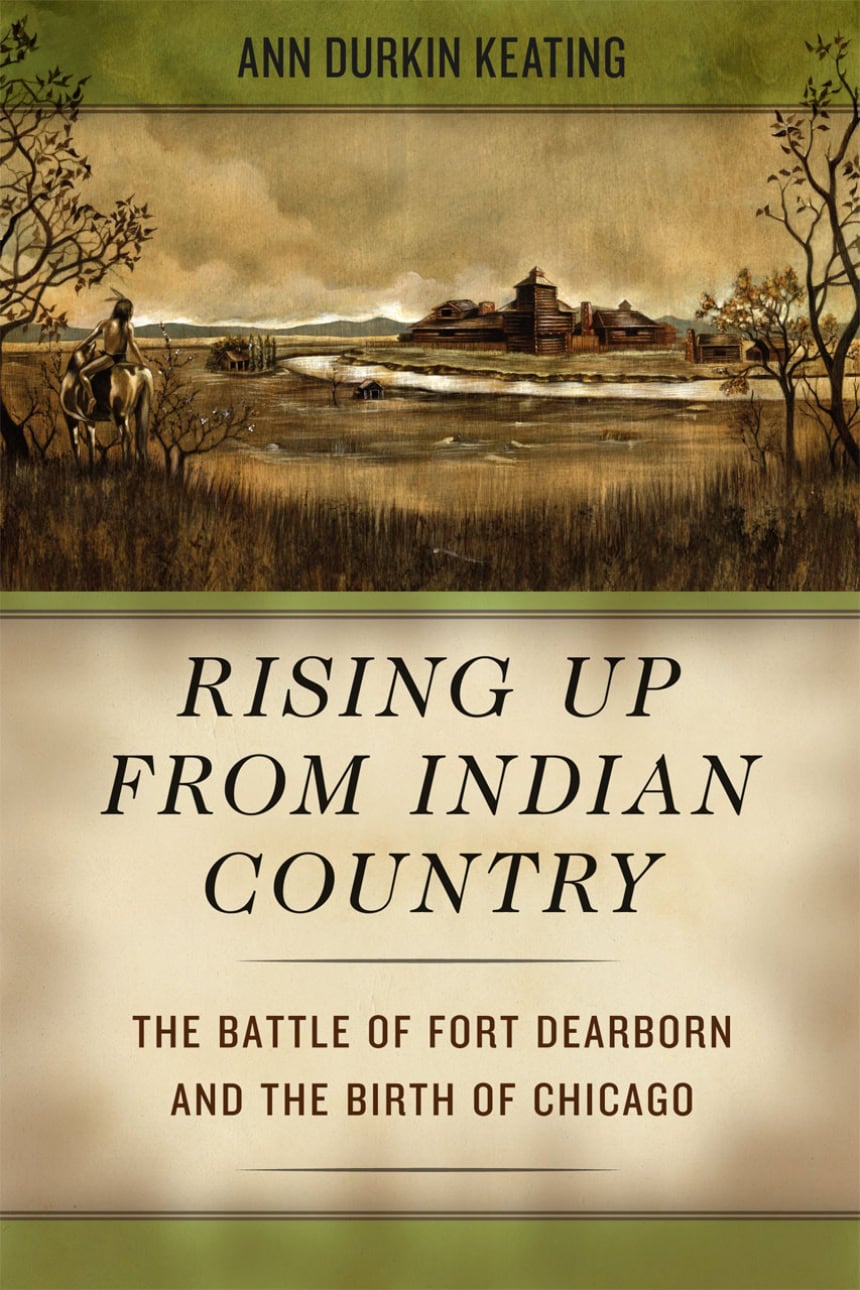
Rising Up from Indian Country: The Battle of Fort Dearborn and the Birth of Chicago
by Dr. Ann Durkin Keating
Examines the 1812 Battle of Fort Dearborn, detailing the Potawatomi attack on departing Americans and its role in Chicago’s birth. It recontextualizes this event, highlighting the complex, cross-cultural and precarious nature of the early American settlement in a region heavily populated by Native Americans.
Events
We are proud to present a series of free programs in July featuring Starr Chief Eagle as part of our America 250 schedule. We also have some programs of interest for Native American Heritage Month this November, so check back later for those.
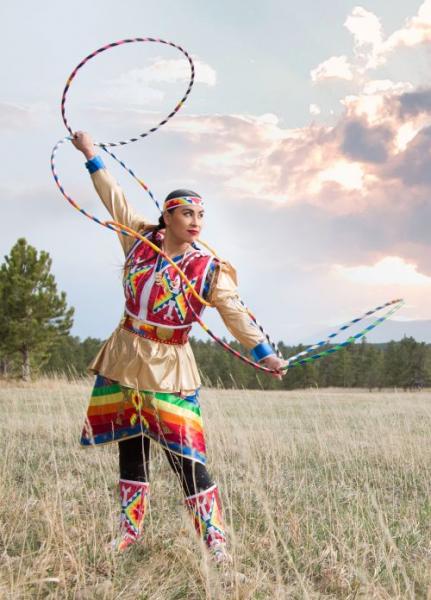
Necklace Making with Starr Chief Eagle
Thursday, July 16, 5–6 p.m. (Drop in)
Grades 1–5 with an Adult
Join Starr Chief Eagle, a member of the Rosebud Sioux Tribe, to learn about the materials used by Lakota people before making your own Lakota-inspired necklace to keep.
Hoop Dancing Workshop with Starr Chief Eagle
Thursday, July 16, 6 p.m.
Grades 6–12
Join Champion Lakota Hoop Dancer Starr Chief Eagle in this hands-on workshop. Learn a variety of foundational moves and designs before learning a short dance routine. Registration opens Thursday, June 25.
Hoop Dance Performance by Starr Chief Eagle
Sunday, July 19, 2–3 p.m. (Drop in)
All Ages
Starr Chief Eagle will perform the rare tradition of Hoop Dancing using 22 hoops to create several designs, shapes and creatures to tell a story.
Places of Interest to Visit
You can uncover more local Indigenous history in the Will, DuPage and Cook county area by visiting the following locations.
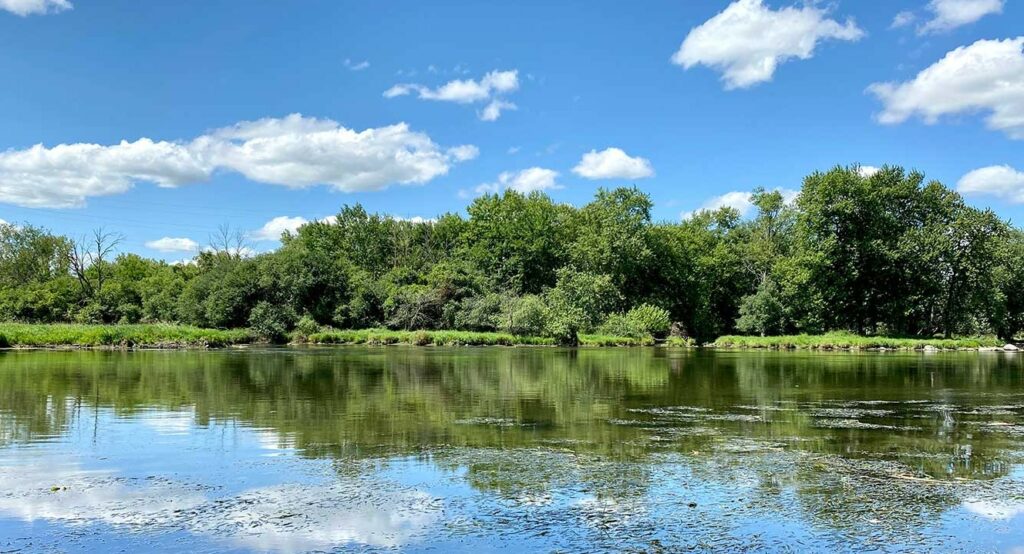
Isle a la Cache Museum
DuPage River Confluence Preserve
1818 Marne Road, Bolingbrook, IL 60490
The confluence of the East and West Branches of the DuPage River, spanning the Naperville and Bolingbrook area, was home to various Indigenous populations for over 10,000 years, with the Potawatomi being the primary tribe upon European arrival. Known to early traders as a fur-trading spot, the region held shifting populations including the Illiniwek, Kickapoo and others.
Isle a la Cache Museum
501 E Romeo Road, Romeoville, IL 60446
Isle a la Cache Museum immerses visitors in the 18th century, when “Illinois Country” was home to the fur trade. See how the two worlds of French voyageurs and Potawatomi intertwined.
Midwest SOARRING Foundation
133 W 13th St, Lockport, IL 60441
A local organization focused on Native American cultural preservation, often involved in protecting regional sacred sites.
Mound Cemetery
1137 E Cass St, Joliet, IL 60432
A pioneer burial ground which lays atop an Indigenous site. You can watch a free tour of the site on YouTube.
Keepataw Preserve
17152 Bluff Rd, Lemont, IL 60439
Named for Potawatomi Chief Keepataw, this preserve sits on land inhabited by his tribe along the Des Plaines River.
Hickory Creek Area
20400 Wolf Rd, Mokena, IL 60448
Known area for ancient longhouses and ongoing archaeological surveys of native tools, with burial sites found near local historic homes.
Last Potawatomi Camp Site Marker
9100 W Plainfield Rd, La Grange, IL 60525
The marker was erected by Daughters of the American Revolution, LaGrange-Illinois Chapter in 1930. The site is accessible by foot from the Timber Trails subdivision.
Midewin National Tallgrass Prairie
30239 IL-53, Wilmington, IL 60481
Archaeologists have discovered significant ancient settlements here, including the Middle Grant Creek site, featuring prehistoric storage pits and artifacts.
Fisher Mound Group
Located near the confluence of the Des Plaines and Kankakee rivers, this site includes 12 prehistoric burial mounds and associated village house pits.