
Read Along with Our Traveling Exhibit with Hoopla
We are pleased to host a new traveling exhibition, Telling a People’s Story: African American Children’s Illustrated Literature, now through Monday, March 15. Telling A People’s Story is the first major museum traveling exhibition devoted to the artwork of African-American children’s picture books. Coordinated by The Miami University Art Museum in Miami, Ohio, this special traveling panel exhibit is free and open to patrons in the 1st floor lobby area of our library during regular business hours.
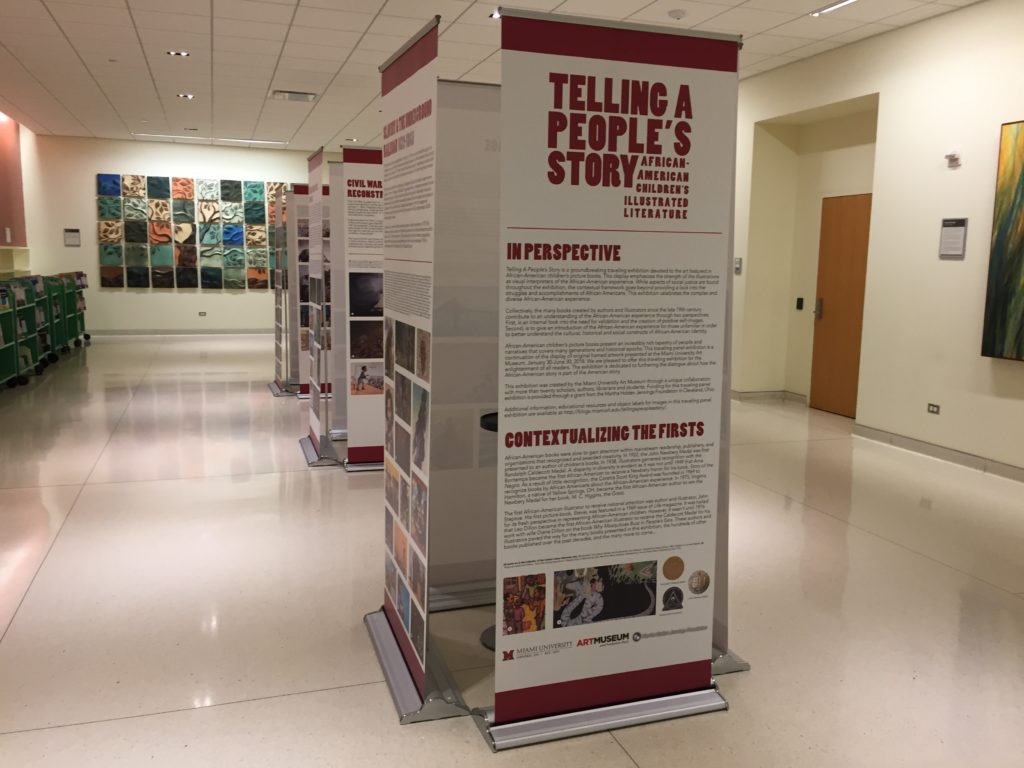
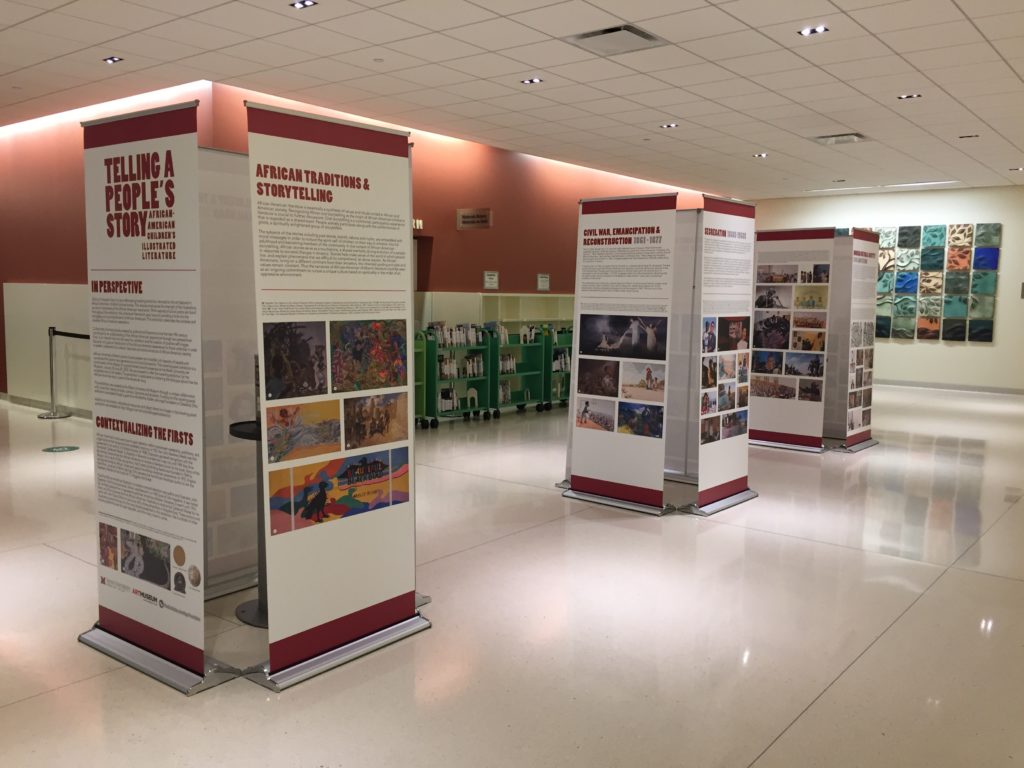
This powerful exhibit features illustrations from 33 artists spanning nearly 50 years of creativity. Themes and time periods covered in this exhibit include African Origins, Middle Passage, Slavery, Emancipation, Reconstruction, Harlem Renaissance, Segregation and the Civil Rights Movement. Collectively, the many books created by authors and illustrators since the late 19th century contribute to an understanding of the African-American experience through two perspectives. The first is an internal look into the need for validation and the creation of positive self-images, and the second is an introduction to the African-American experience for those unfamiliar in order to better understand the cultural, historical and social makeup of African-American identity.
Many of the books highlighted in the exhibit are available through hoopla as ebooks, eAudiobooks or a book-to-movie format. All of our hoopla titles are available to checkout 24 hours a day on a desktop or via hoopla’s app. Check them out below.
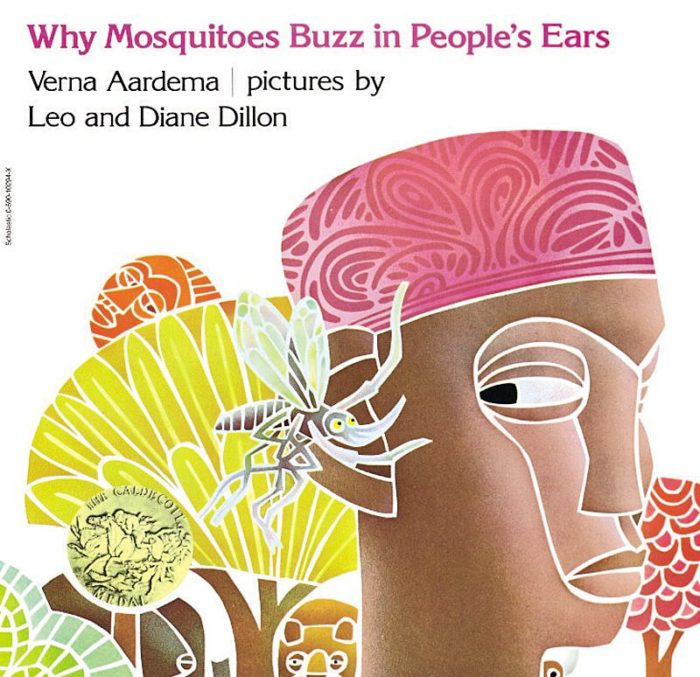
Why Mosquitoes Buzz In People’s Ears: A West African Tale by Verna Aardema; illustrated by Leo and Diane Dillon
A retelling of a traditional West African tale that reveals how the mosquito developed its annoying habit.
Find It Now: Hoopla I Our Shelves
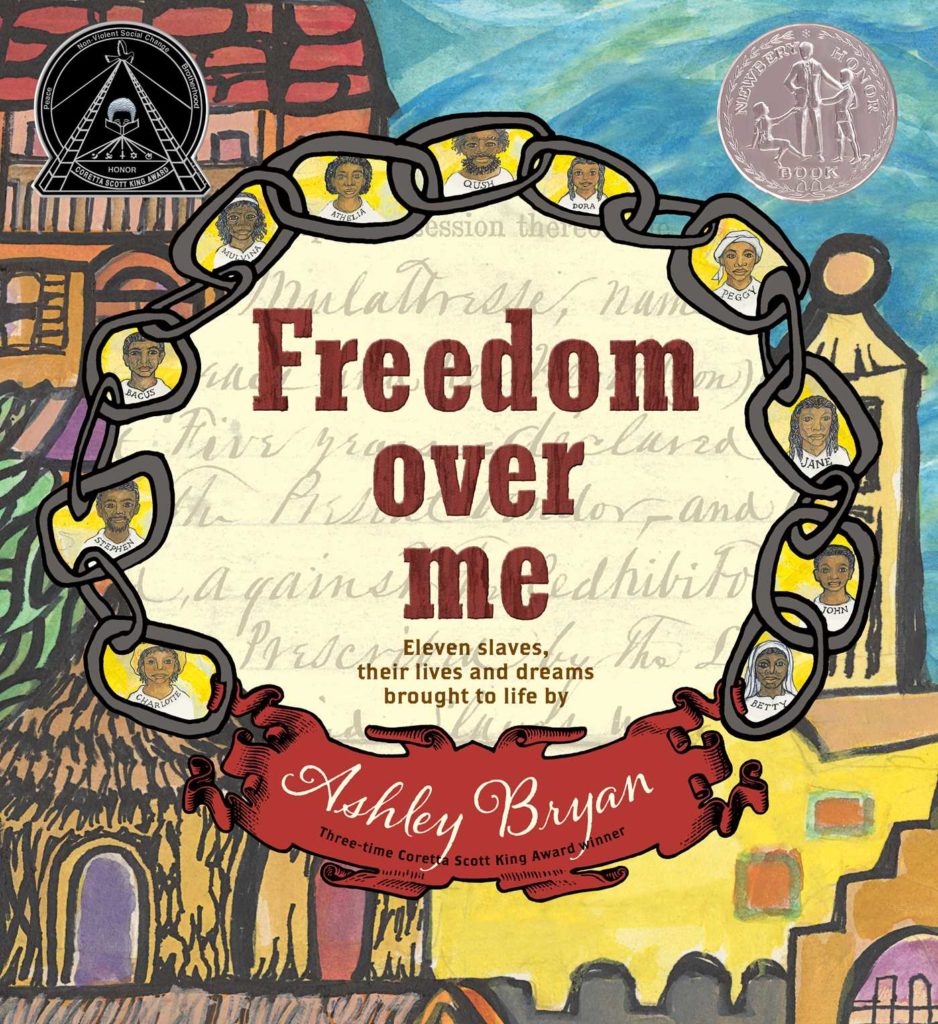
Freedom Over Me by Ashley Bryan
Using original slave auction and plantation estate documents, this story contrasts the monetary value of a slave with the priceless value of life experiences and dreams that a slave owner could never take away.
Find It Now: Hoopla I Our Shelves
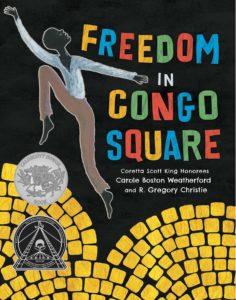
Freedom in Congo Square by Carole Boston Weatherford and R. Gregory Christie
As slaves relentlessly toiled in an unjust system in 19th century Louisiana, they all counted down the days until Sunday, when at least for half a day they were briefly able to congregate in Congo Square in New Orleans. Here they were free to set up an open market, sing, dance, and play music. They were free to forget their cares, their struggles, and their oppression.
Find It Now: Hoopla I Our Shelves
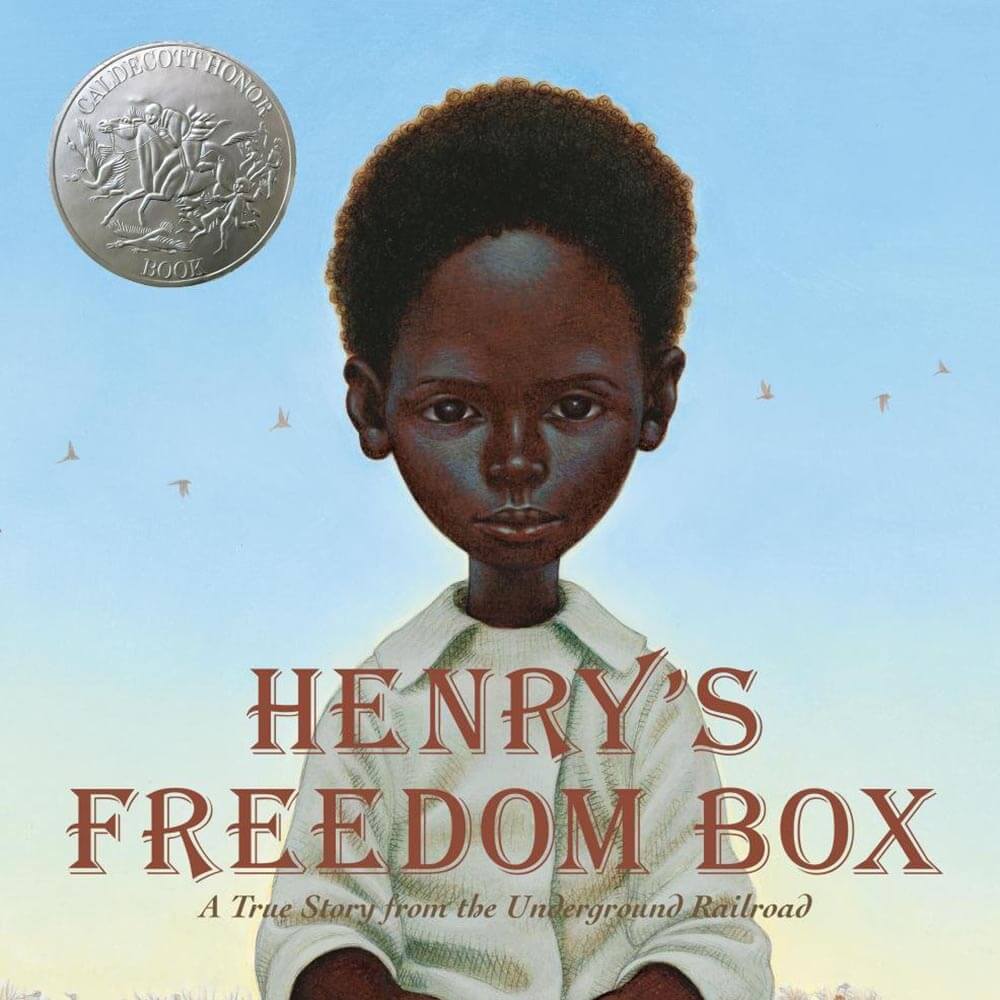
Henry’s Freedom Box by Ellen Levine
Henry dreams of a world where his life belongs to him. But when his family is sold, he risks everything for what he knows is right. With the strength and conviction of the best kind of hero, Henry makes a harrowing journey in a wooden crate and mails himself to freedom.
Find It Now: Hoopla I Our Shelves
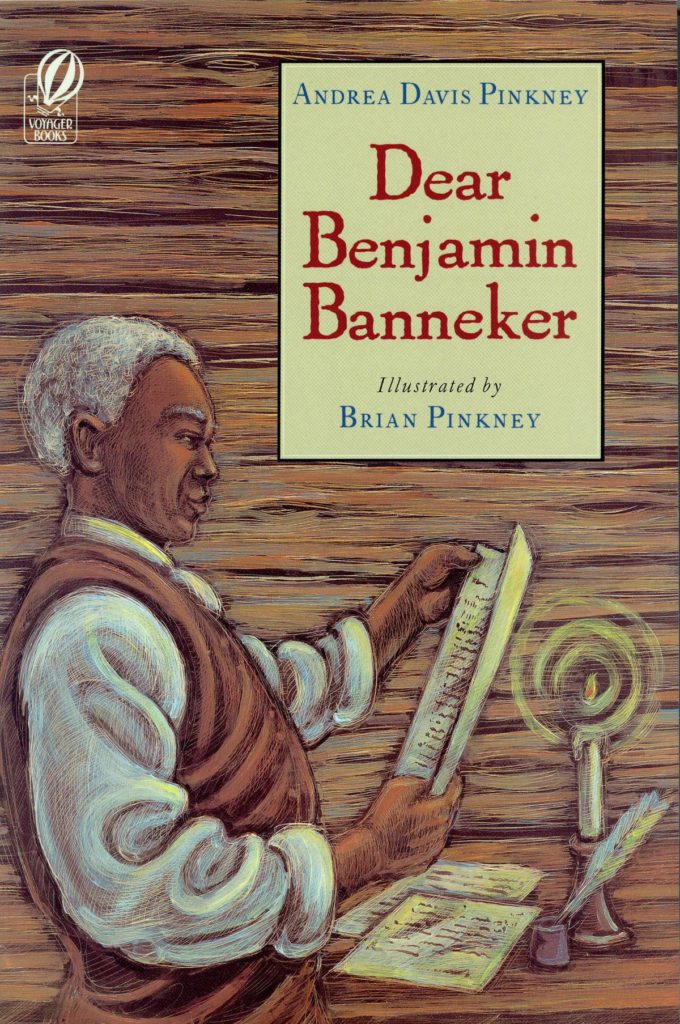
Dear Benjamin Banneker by Adrea Davis Pinkney; illustrated by Brian Pinkney
Benjamin Banneker was born free when most blacks in this country were still enslaved. But it troubled him that not all blacks were free. An accomplished astronomer and mathematician, he decided to take a stand against slavery by writing to then-Secretary of State Thomas Jefferson. This is the story of their extraordinary correspondence.
Find It Now: Hoopla I Our Shelves
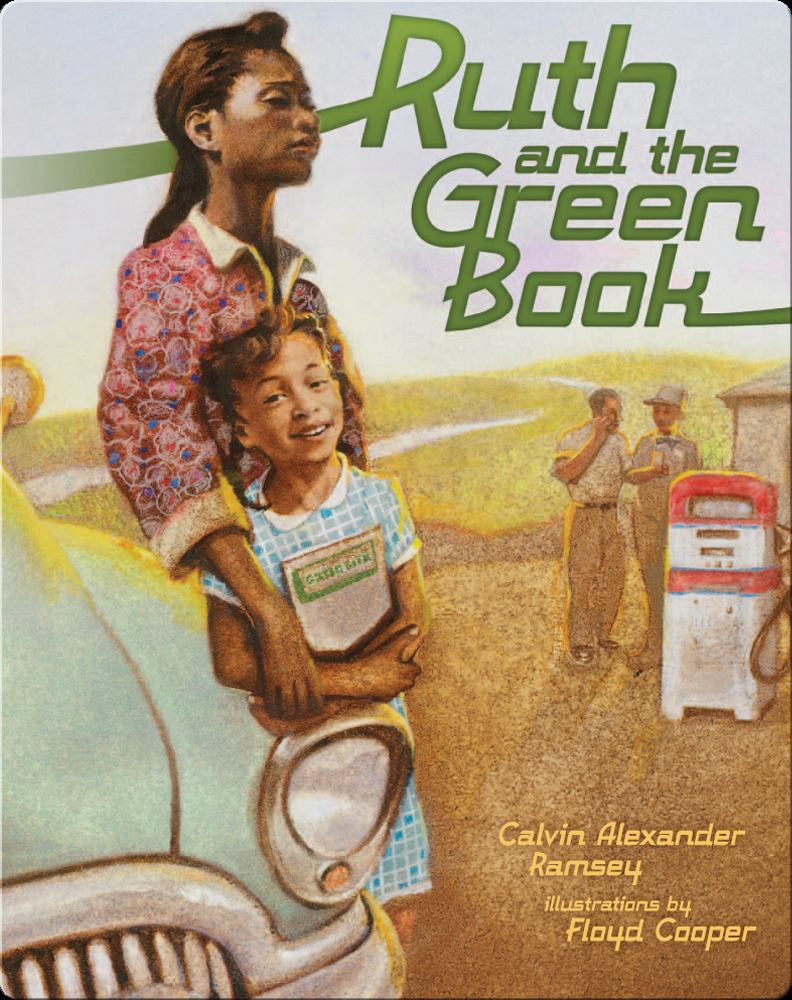
Ruth and the Green Book by Calvin Alexander Ramsey; illustrated by Floyd Cooper
When Ruth and her parents take a motor trip from Chicago to Alabama to visit her grandma, they rely on a pamphlet called The Negro Motorist Green Book to find places that will serve them.
Find It Now: Hoopla I Our Shelves
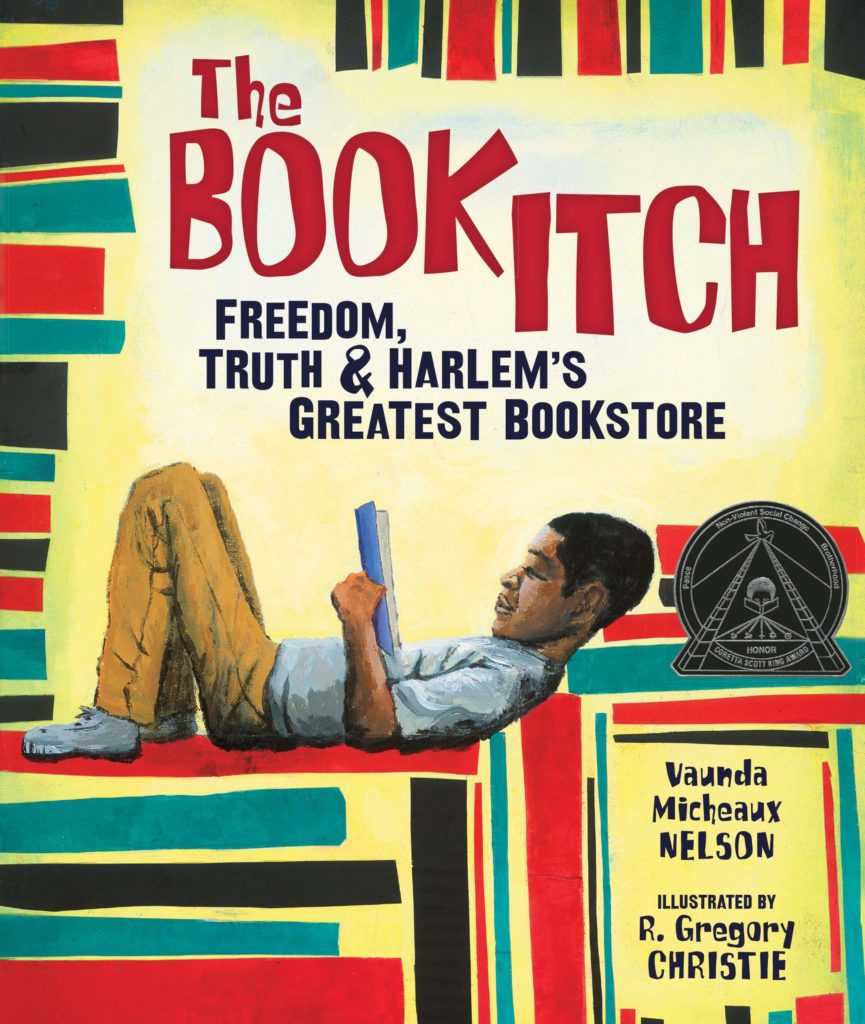
The Book Itch: Freedom, Truth & Harlem’s Greatest Bookstore by Vaunda Micheaux Nelson; illustrated by R. Gregory Christie
In the 1930s, Lewis’s dad, Lewis Michaux Sr., had an itch he needed to scratch—a book itch. How to scratch it? He started a bookstore in Harlem and named it the National Memorial African Bookstore. And as far as Lewis Michaux Jr. could tell, his father’s bookstore was one of a kind. People from all over came to visit the store, even famous people-Muhammad Ali, Malcolm X, and Langston Hughes, to name a few. In his father’s bookstore, people bought and read books, and they also learned from each other. People swapped and traded ideas and talked about how things could change.
Find It Now: Hoopla I Our Shelves
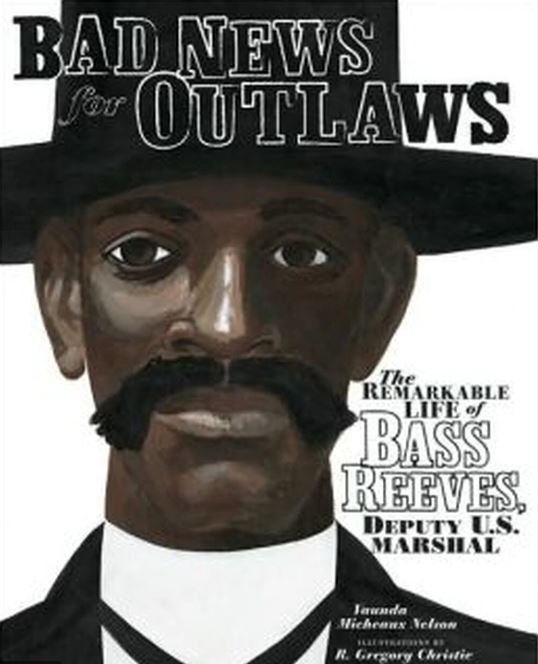
Bad News for Outlaws: The Remarkable Life of Bass Reeves, Deputy U.S. Marshall by Vaunda Micheaux Nelson; illustrated by R. Gregory Christie
Outlaws feared him. Law-abiding citizens respected him. Bass always got his man, dead or alive. He achieved all this in spite of whites who didn’t like the notion of a black lawman. The true story of former slave Bass Reeves, is the story of a remarkable African American hero of the Old West.
Find It Now: Hoopla I Our Shelves
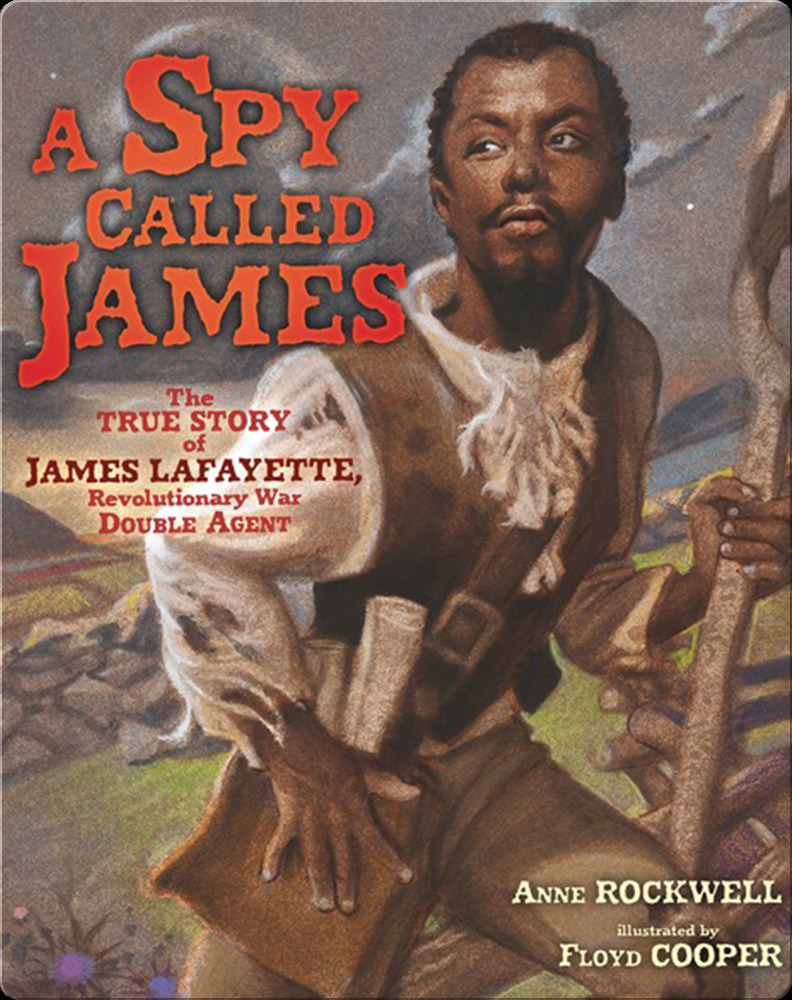
A Spy Called James: The True Story of James Lafayette, Revolutionary War Double Agent by Anne Rockwell; illustrated by Floyd Cooper
The true story of James Lafayette, a slave who spied for George Washington’s army during the American Revolution. But while America celebrated its newfound freedom, James returned to slavery. His service hadn’t qualified him for the release he’d been hoping for. For James the fight wasn’t over; he’d already helped his country gain its freedom, now it was time to win his own.
Find It Now: Hoopla I Our Shelves
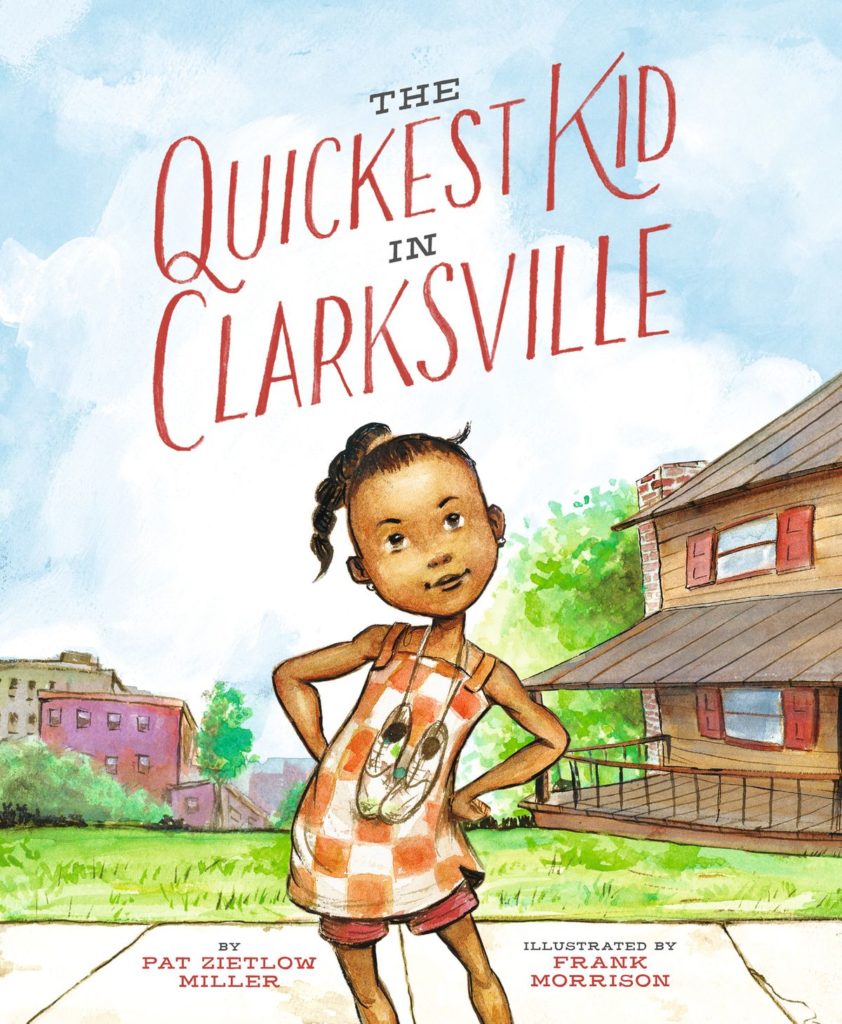
The Quickest Kid in Clarksville by Pat Zietlow Miller; illustrated by Frank Morrison
Growing up in the segregated town of Clarksville, Tennessee, in the 1960s, Alta’s family cannot afford to buy her new sneakers—but she still plans to attend the parade celebrating her hero Wilma Rudolph’s three Olympic gold medals.
Find It Now: Hoopla I Our Shelves
Can’t make it into the library to see our exhibit? No problem! Our Studio 300 staff is working on a virtual walk-through of Telling A People’s Story, which will be available for free on YouTube. Stay tuned for updates.

In conjunction with the exhibit, we are also hosting a wide array of Black History Month events and One Book, One ‘Brook, our new community-wide reading initiative! We’re inviting everyone in the Bolingbrook community to come together through the shared experience of reading the same book and to participate in enlightening and empowering conversations.
For our inaugural book selection, we’ve chosen How to be an Antiracist by Ibram X. Kendi. We encourage you to check out the book from our shelves or from OverDrive or Axis 360, and then join us in February for lively discussions and other events.
See you at the library,
Debra