Sensational Craft: Mess-Free Leaf Painting
When most people think about “sensory activities,” one of the first things they think is MESS! But it doesn’t have to be that way. You can create a meaningful sensory experience without feeling like you need to get out the power washer when you are done. I will show you how to create MESS-FREE leaf art, with minimal cleanup when you are done.
SUPPLIES
Here are the supplies you will need:
- Gallon-sized Ziploc bag
- Paint. (You can use acrylic or tempera, as long as it’s thick and goopy)
- Black construction paper or card stock
- Pencil
- Scissors
- Tape
- Paper towels
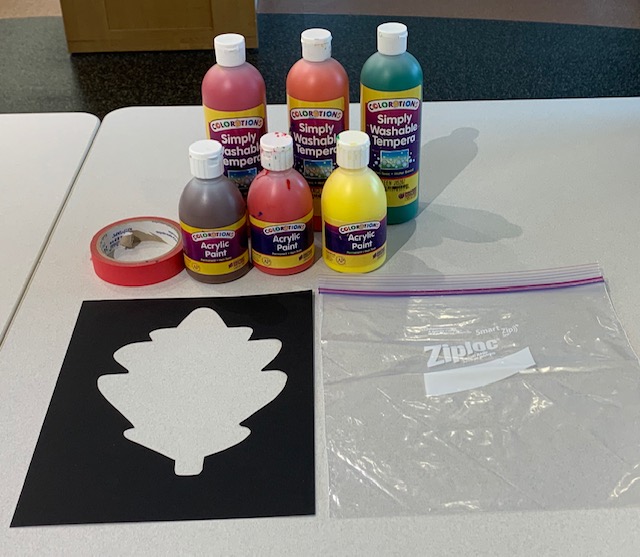
DIRECTIONS
STEP 1. CUT OUT YOUR LEAF
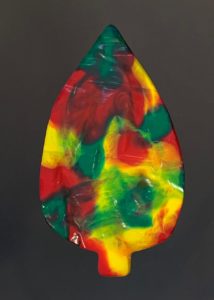
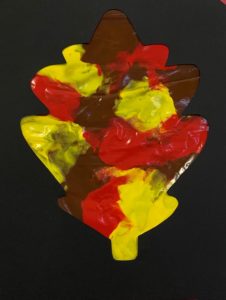
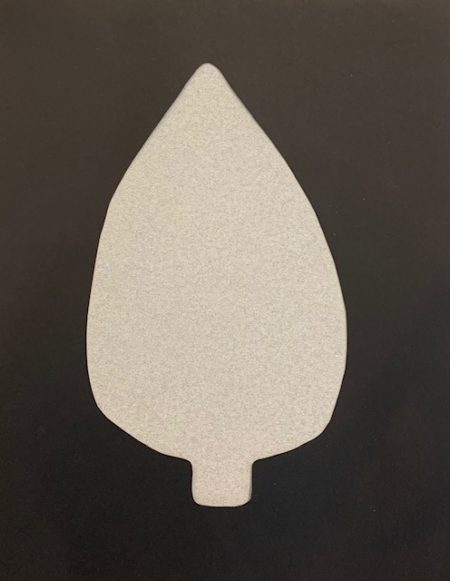
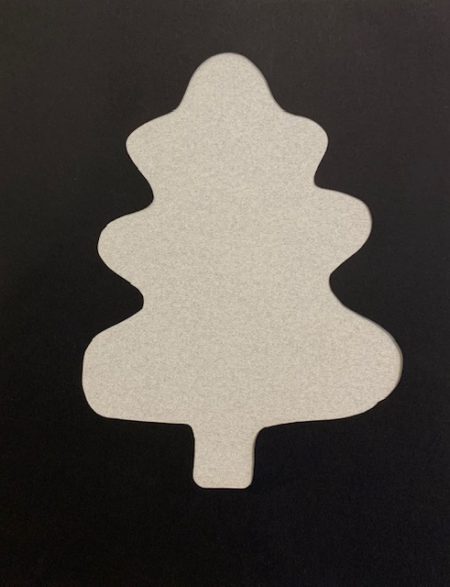
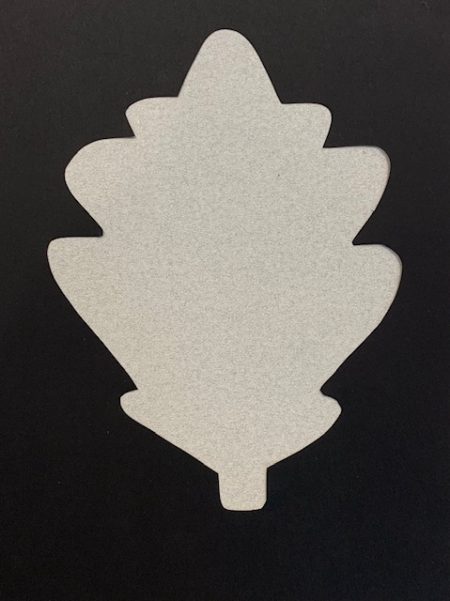
The first step is to draw a large leaf on the black construction paper. It doesn’t have to be perfect. Remember, no two leaves look alike. Just go for a basic leaf shape. Then cut out the inside of the leaf. Make sure you leave the frame complete! Here are some examples:
STEP 2. ADD YOUR PAINT
Now you need to decide what colors you want to use. I absolutely adore fall colors. If you take a close look at the leaves as they change, you can often see ALL of the colors on a single leaf.
So take your paint and carefully place blobs of color inside your Ziploc bag. Try to spread out the blobs throughout the bag. The more you use, the more squishy the experience will be.
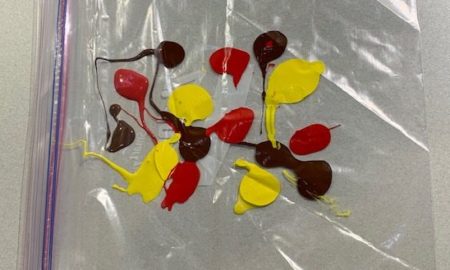
See this picture? I did not have enough paint in there, so you should probably use at least twice this amount! Don’t be stingy with the paint!
STEP 3. SQUISH YOUR PAINT
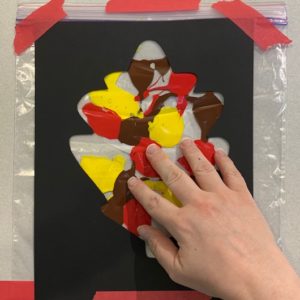
Once you have your paint in the bag, make sure you get as much air out of the bag as you can, and seal it up. I recommend taping the bag to the table where you will be playing with it. Then you can tape the leaf template over the bag.
Now it’s time to have some fun! Squish the paint around in the bag, mixing the colors together as you spread it into the shape of the leaf. Try to get it into all of the nooks and crannies of your template. Don’t like the way it turned out? Squish it around some more and create different color combinations.
REVIEW
What senses are active with this activity?
- Visual: watch the bright colors mix and blend together
- Tactile: feel the paint squish in the bag as you press and smooth it around
- Auditory: Can you hear the paint mashing and squishing together in the bag? Maybe you could play music in the background with different tempos to set the mood
The awesome thing about this mess-free activity is that as long as you keep the bag sealed up, you can put it away and pull it out another day for more fun!
MORE ACTIVITIES AND RESOURCES
When you are done painting, why don’t you check out BookFlix for digital books on the four seasons? This amazing, free resource pairs a non-fiction book with a fiction book. After reading or listening to the stories, there are follow-up activities you can do, such as word matching, sequencing, and comprehension questions. There is also an option to Dive Deeper, where you will get links to other websites the provide additional information and activities about the topic. You can find these titles and more under the Animals and Nature category in BookFlix:
WINTER
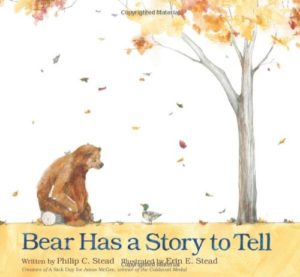
Explore winter with Bear Has a Story to Tell by Phillip C. Stead and How Do You Know It’s Winter?

SPRING
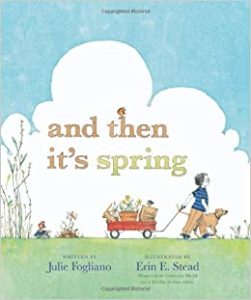
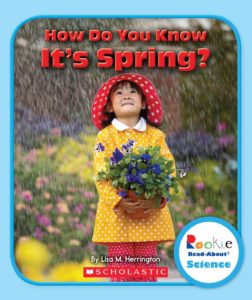
Explore spring with and then it’s spring by Julie Fogliano and How Do You Know It’s Spring?
SUMMER
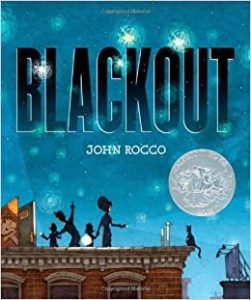
Explore summer in Blackout by John Rocco and How Do You Know It’s Summer?

FALL
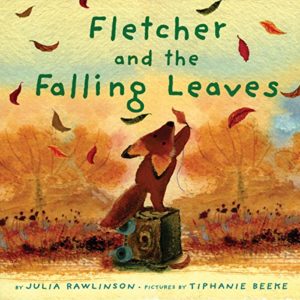
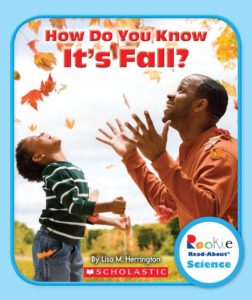
Explore fall with Fletcher and the Falling Leaves by Julia Rawlinson and How Do You Know It’s Fall?