ShortHaus Cinema Directors (Winter 2024)
For the Winter season of ShortHaus, we’re taking a brief tour of the world. First stop, New Zealand, for the wonderfully offbeat director, actor and comedian, Taika Waititi. After that, we’ll take a quick trip over to France to check out the lifelong oeuvre of the lovely Agnès Varda. Then we’ll be back in the States just in time for Black History Month and the charged work of Ayoka Chenzira. Save the dates for our upcoming discussions and explore their work below!
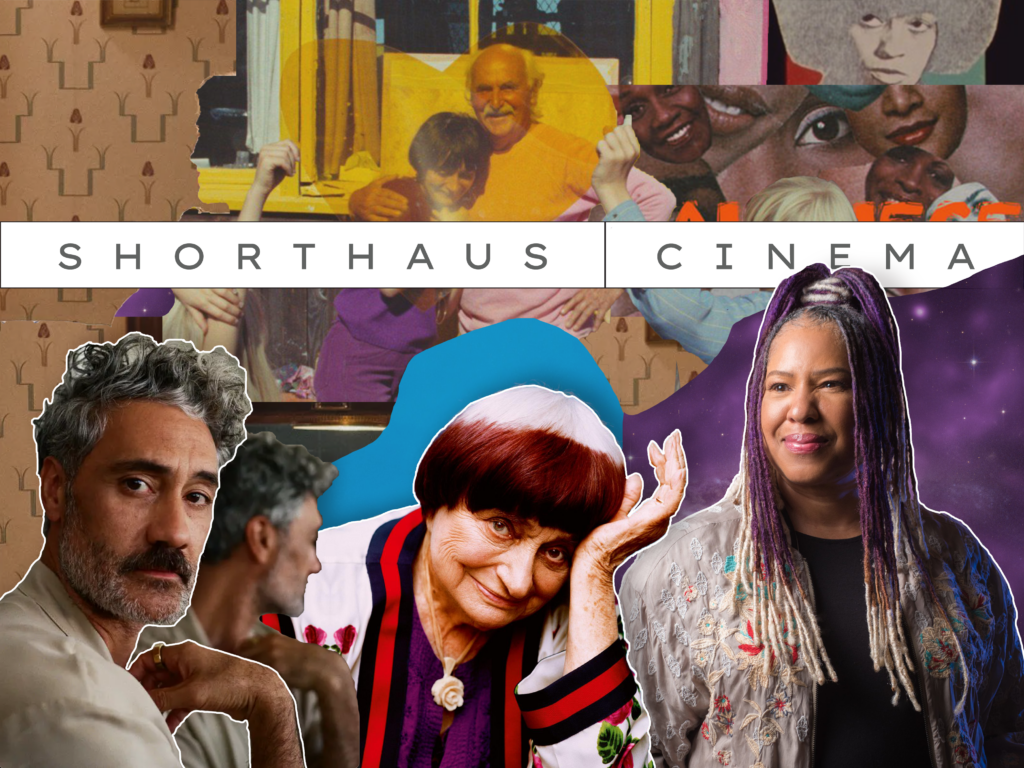
Winter ShortHaus Directors: Taika Waititi, Agnès Varda and Ayoka Chenzira
December: Taika Waititi
Join us on Tuesday, December 3, 7–8 p.m. in Meeting Room C
Taika Waititi is our second Kiwi director to be featured by ShortHaus. His name is now well-known for his work on the Marvel Thor movies, but he got his start in the New Zealand comedy scene and frequently collaborated with Jemaine Clement. With both Māori and Jewish heritage, Waititi often uses his work to focus on Indigenous and marginalized identities. Boy (2010) and Hunt for Wilderpeople (2016) are beautiful films offering portraits of Māori life in New Zealand. Jojo Rabbit (2019) is an aggressively satirical comedy where Waititi plays a buffoonish version of Hitler.
Waititi has also been involved in television work, co-creating Reservation Dogs (2021–2023), which focused on Native American reservations in Oklahoma. He also executive produced and starred in Our Flag Means Death (2022–2023), which was praised immensely for its representation of queer identities and people of color. Each series can be streamed on Hulu and Max respectively, which are both available on our Rokus.
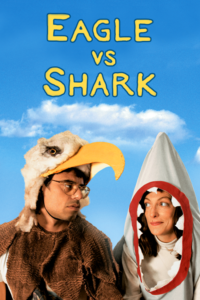
Eagle vs Shark (2007)
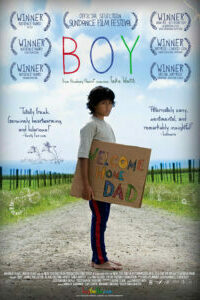
Boy (2010)
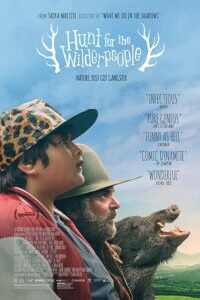
Hunt for Wilderpeople (2016)
Watch on Kanopy Explore Our Collection
January: Agnès Varda
Join us on Tuesday, January 7, 7–8 p.m. in Meeting Room C
Agnès Varda was a well-known giant of the French New Wave, though she’s technically associated with Left Bank Cinema, an even more experimental and politically minded movement. Her naturalistic approach to filmmaking led her to use non-professional actors and location shooting at a time when it was unconventional and technically challenging. Her work often focused on politically charged subjects—sometimes directly, as with the short documentary Black Panthers (1968)—and often indirectly, by simply featuring women and marginalized individuals as protagonists pushing up against societal norms.
Kanopy hosts one of her most well-known features, Cléo from 5 to 7 (1962), as well as some of her later autobiographical documentaries revolving around art.
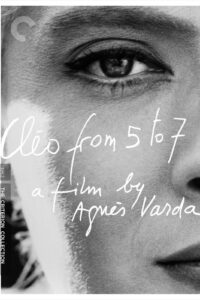
Cléo from 5 to 7 (1962)
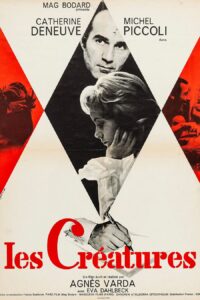
Les Créatures (1966)
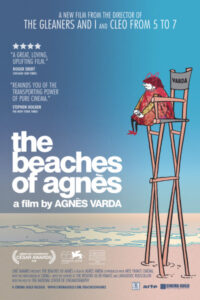
The Beaches of Agnes (2008)
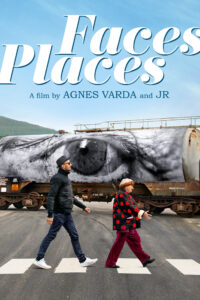
Faces Places (2017)
Watch on Kanopy Explore Our Collection
February: Ayoka Chenzira
Join us on Tuesday, February 4, 7–8 p.m. in Meeting Room C
For Black History Month I wanted to feature a talented Black director, and I chose Ayoka Chenzira. Chenzira started out in the 80s making short films centered on the Black experience, ranging in genre from documentary to drama to animation.
Her multimedia animated short, Hair Piece: A Film for Nappyheaded People (1984) is so culturally significant that it was inducted into the National Film Registry in 2018.
Chenzira’s debut feature, Alma’s Rainbow (1993), zoomed into the life of a single family to explore the intersections of class, race and gender. More recently, Chenzira has taken those ideas and applied them to the world of science fiction, intentionally placing Black women as protagonists in science-fiction stories.
Today, Chenzira has taken her experience in filmmaking and adapted it for TV, with a wide range of directing credits, including Queen Sugar (2016–2022) and 4400 (2021–2022).
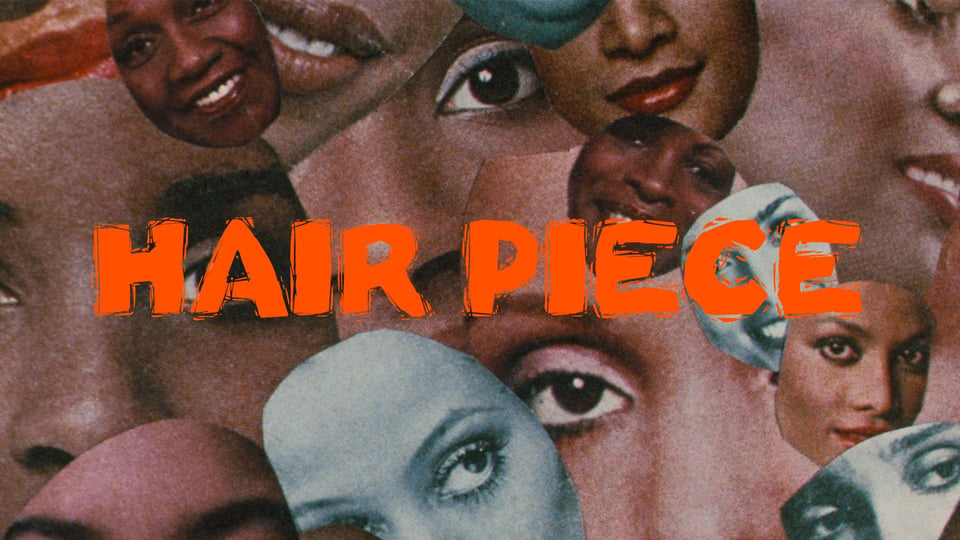
Hair Piece: A Film for Nappyheaded People (1984)
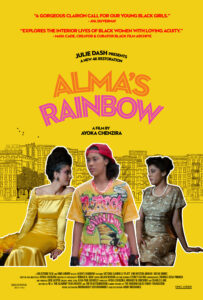
Alma’s Rainbow (1993)