
Your Connections to “The Gilded Age” Are Closer Than You Think!
In the final decades of the 19th century, America glittered with promise. Skyscrapers pierced the skyline, railroads stitched the nation together and millionaires were made seemingly overnight. This is the setting for HBO’s hit show The Gilded Age, where the characters navigate social ambitions and personal struggles during a time of dazzling wealth, explosive economic growth, widespread poverty, political corruption and the rise of the progressive movement.
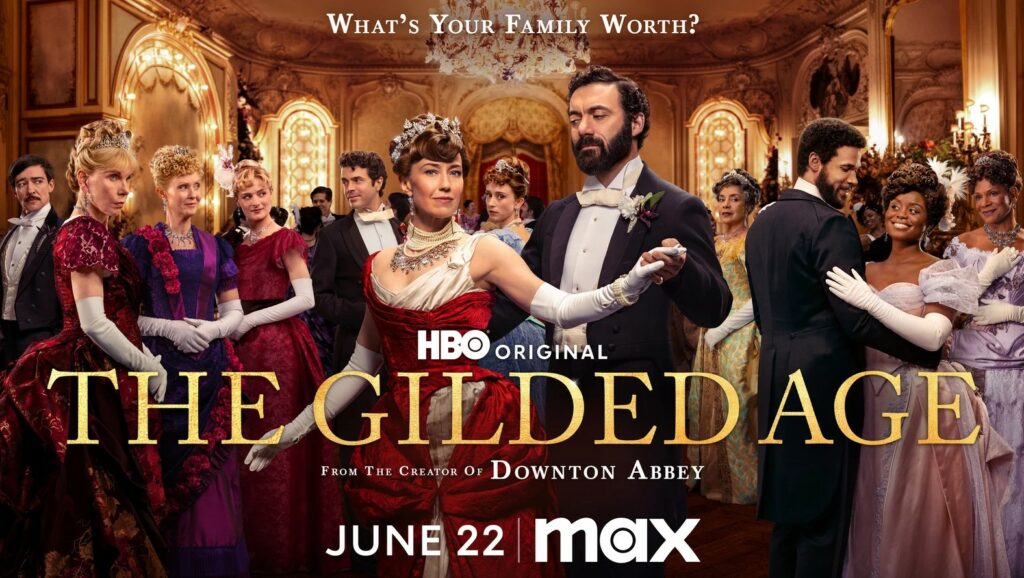
Created by Julian Fellowes (the creator of Downton Abbey), The Gilded Age explores the lives and circumstances of a broad cast of characters in 1880s New York City. The show displays the clash between the old money elite and the rising class of newly wealthy industrialists, capturing the opulence, ambition and rigid social rules of the era. It also sheds light on the army of working people whose labors ensure that the households and social events function like a well-oiled machine.
Watch the first two seasons on DVD Watch new episodes with a Roku
Discover Your Connection
Your connection to the time and setting of The Gilded Age is closer than you think. While the cream of society and commerce are prominently featured on the how, millions of everyday people can trace their ancestors passing through or residing in New York City in the 1880s. Members of my mother’s family were processed through Castle Garden (Fort Clinton) located in today’s Battery Park at the very bottom of lower Manhattan in March 1881. They did not plan to stay in the city. New York was just an entry port toward their final destination in rural northern Georgia.
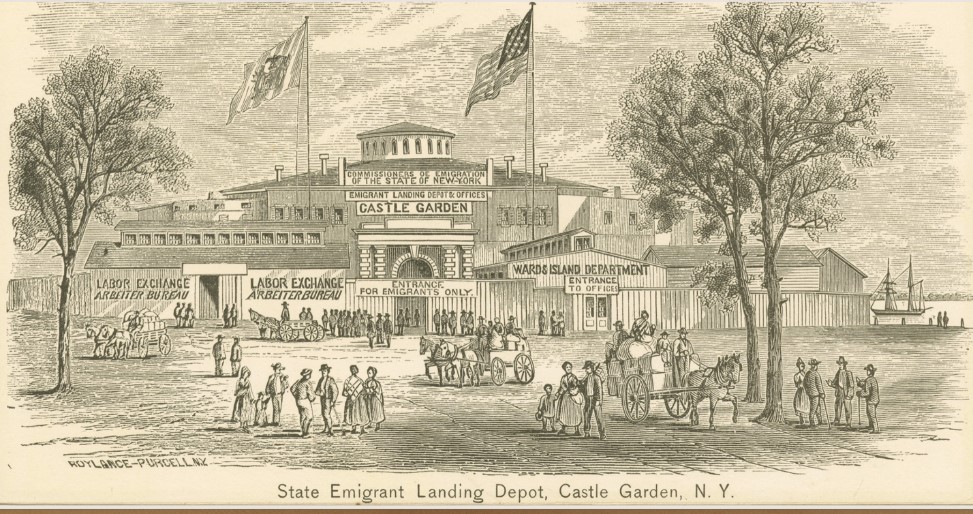
I visited New York in 2018 to see Castle Garden for myself, and was able to imagine my ancestor Katherine Whitt Funk and three of her children holding hands and walking through the large doors into the bustling heart of New York.
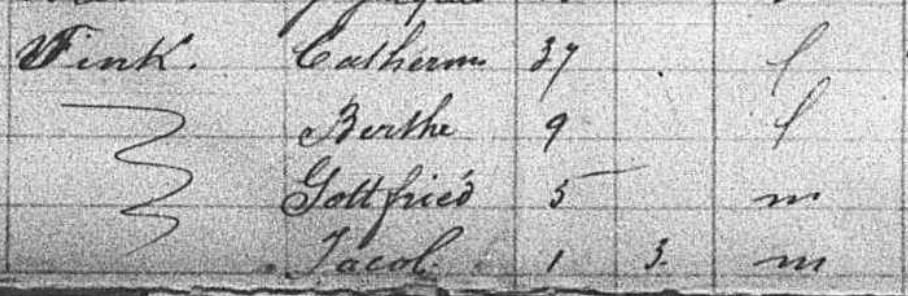
From there, they boarded a train to northern Georgia to join a community of Swiss immigrants in Mount Airy. All of this journey was made possible in large part by America’s industrial revolution, an increase in state and federal civil service and an explosive expansion of the railroad system. In a small rural community like Mount Airy, the railroad was the best mode of transportation for a young family to travel from a large immigration hub to their new home in America. These new immigrants were not only consumers for the railroad robber barons seen in The Gilded Age series, but their collective labor would also fuel continued wealth and power for the owners of the wealthy elite.
There is a fantastic collection of stories documenting these ancestral connections to New York City. For anyone who enjoys historic fashion, I recommend watching a series called The Clothes on Their Backs by SnappyDragon. This creator deconstructs the fashions of The Gilded Age show and recreates a working-class dress similar to one her own ancestor would have made and worn during the era.
To explore the landscape of New York City in more detail, A Day in New York 1882 is an hour-long documentary showcasing the experiences of an up-and-coming German immigrant encountering the harsh realities of everyday life in the nation’s largest metropolis. You can watch this documentary for free on YouTube. I wish this were a multi-episode series!
When your screen time is over, our library offers an array of materials which can help you explore more aspects of the glitz and grit of this era in American history. Take a look at this selection of fiction and non-fiction titles and add these to your checkout list!
Gilded Age Fiction
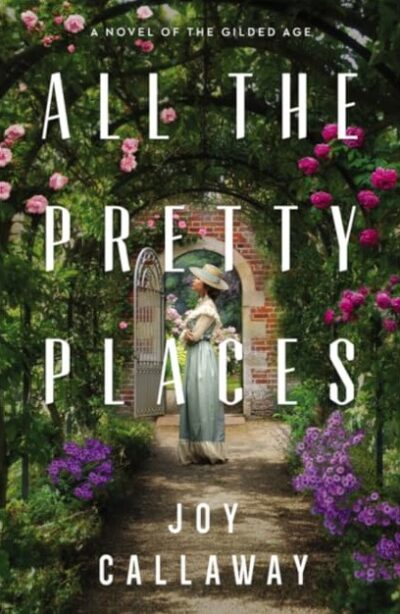
“All the Pretty Places” by Joy Callaway
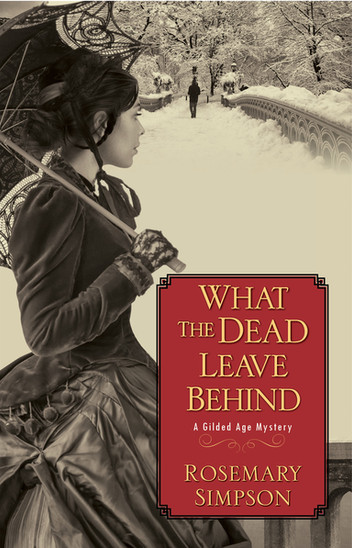
“What the Dead Leave Behind” by Rosemary Simpson
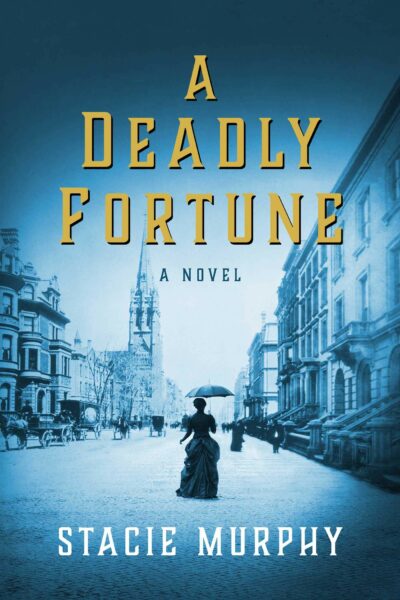
“A Deadly Fortune” by Stacie Murphy

“Some Like it Scandalous” by Maya Rodale
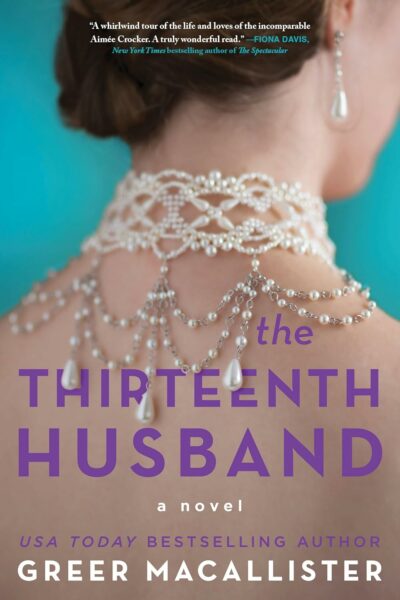
“The Thirteenth Husband” by Greer Macallister
Gilded Age Non-Fiction
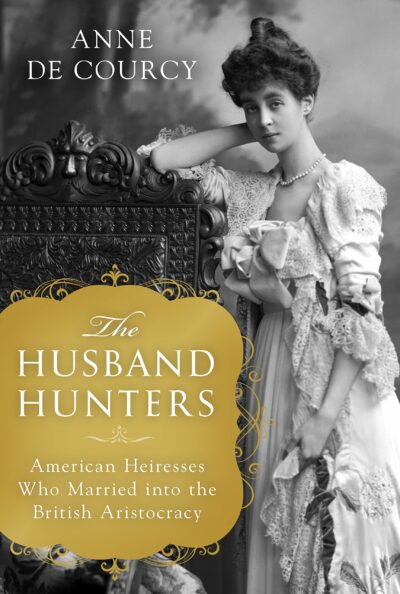
“The Husband Hunters” by Anne de Courcy
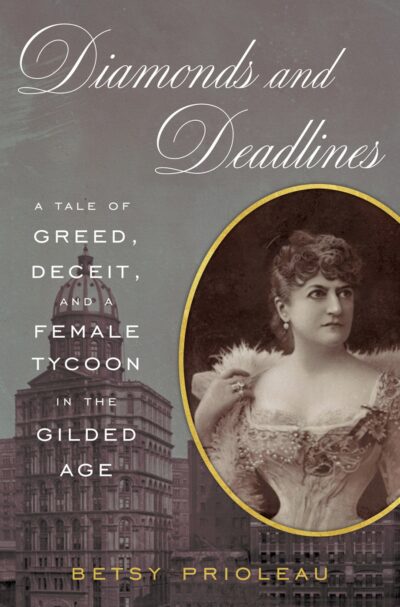
“Diamonds and Deadlines” by Betsy Prioleau
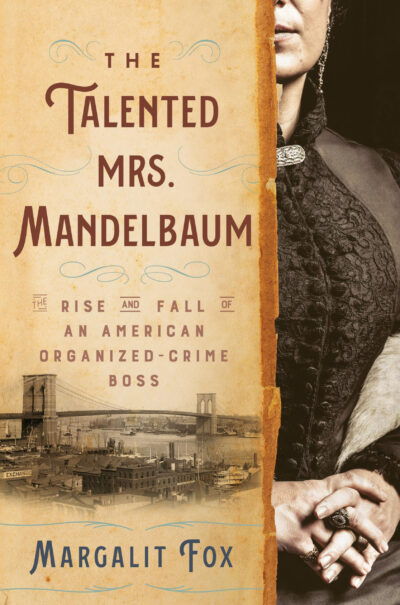
“The Talented Mrs. Mandelbaum” by Margalit Fox
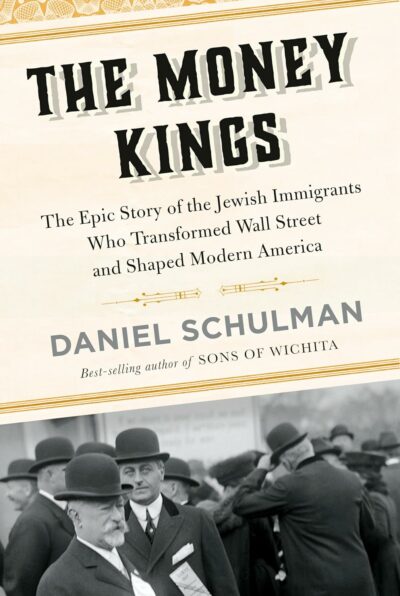
“The Money Kings” by Daniel Schulman
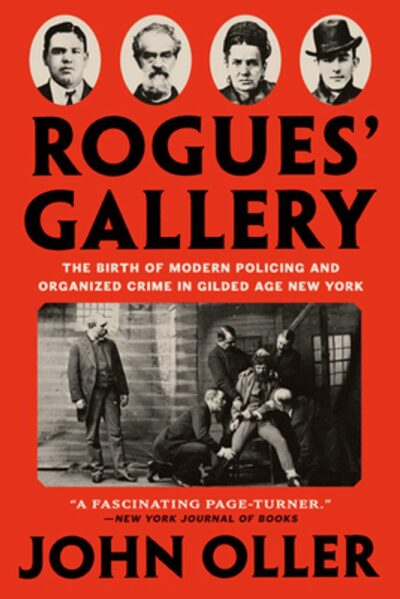
“Rogues’ Gallery” by John Oller