
Explore the World of Dungeons & Dragons at Fountaindale and Beyond
From the countless references in pop culture, to the numerous games based on the system, the whole world of lore of its own, and the decade of moral panic surrounding the game, it’s clear that Dungeons & Dragons has made an impact since its original release in 1977. Dungeons & Dragons (commonly abbreviated to D&D or DnD) has been owned and published by Wizards of the Coast since its first release. At its core, D&D is a game about imagination and adventure. Whether you are a seasoned vet or a first-time player, Dungeons & Dragons and TTRPGs offer something for everyone, and we can help you find that something here at Fountaindale!
What’s it like to play?
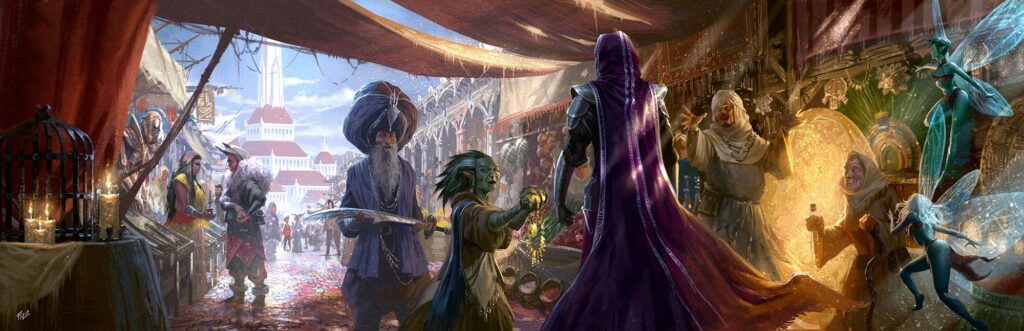
Even if you’ve never played D&D, you may find many of the elements seem familiar to you from seeing it referenced in pop culture or from playing a game based on its mechanics. D&D is known as a tabletop role-playing game (TTRPG) or pen-and-paper role-playing game. Every game has a party (a group of players) and a Dungeon Master (DM). The DM comes prepared with a world, story and non-player characters (NPCs). DMs will often use supplemental handbooks to help build these worlds, with some of the books containing a pre-built adventure, such as Hoard of the Dragon Queen: Tyranny of Dragons.
 My favorite part of D&D is building your character and coming up with a good backstory. Players can choose from a variety of races and classes and are free to customize their characters to their heart’s desire. If you have a lenient DM, you can even try making a character that isn’t part of the in-game rulebook. For example, I wanted to be an Airbender in a recent campaign. Instead of denying me, my DM decided to run with it, going as far as having me become the Avatar. Being an Airbender, though, I had a strict no-kill clause. One time, I made the mistake of pushing a guard off the edge of a cliff without thinking. Actions in D&D can have consequences, and by killing someone, my character had to spend weeks, in-game and out, meditating and wrestling with the responsibility of my powers before I could use them again.
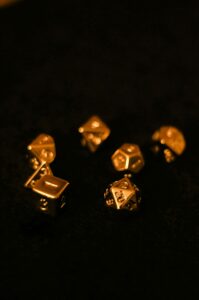 But what about the dice? Why are there so many dice? Dice are used to add a bit of chance to the game. Players roll a 20-sided die, called a d20, for many of the checks and actions used in the game. Want to hit an enemy with your sword? You’ll have to roll a d20 and add your relevant skill bonus to see how good your attack is. If you don’t beat the enemy’s armor and defense bonuses, then your attack will fail. Did you get hit by a ball of frost? Then, you’ll need to roll a saving throw to see if it freezes you. Did you launch a fireball into the room? You’re about to roll a bunch of d6s to add up all that sweet sweet damage (even to your own party if you weren’t careful in your aiming). Trying to spot something in the room? You’ll need to roll a good perception check to see it.
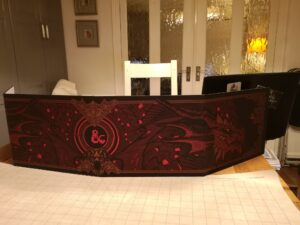 You’ll often see your DM rolling dice behind the cover of their screen. The sound can be nerve-racking since the players don’t know what the DM is rolling for. See a monster off in the distance? Your DM has likely already rolled to determine its health, attributes, loot and whether or not it’s already seen you.
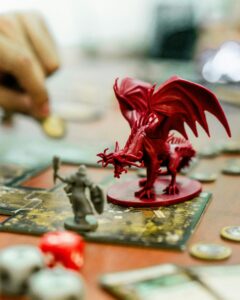
Many parties and DMs prefer to play on a big square-tiled playmat that’s easy to write on with wet-erase markers. The mat or other play space represents the world, and minifigs represent the players and NPCs. Some will get very artistic on this playmat, while others keep it more basic. Even more elaborate play spaces are also quite common, and there are plenty of options out there for people who want to really build the world that they want. For Shadowrun (a different TTRPG), I used to hang a projector above the playspace so I could use real maps. The same is true for the minifigs. I used to just pick out whatever extra my DM had, but you can get as elaborate as you want. You could even potentially design your own and 3D-print it in our Maker Lab.
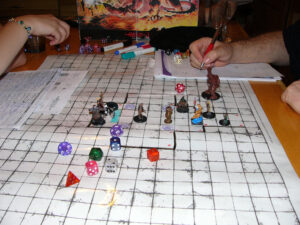 Some games last only a single session, called one-offs, but most of the time, players come back each session with the same party of characters to continue the story from the prior sessions until the campaign is over.
Players and characters all have their own motivations and may not be aiming for the same end goals. Characters will often join up with the party as new players join the group or if a player’s character dies and they have to make a new one.
That’s right, if you aren’t careful, death is an ever-present option in D&D. This is up to the DM’s discretion, but if things don’t go well for you, you make the wrong decision or maybe an enemy gets a really good critical hit on you, then you might find yourself creating a new character halfway through the campaign.
As you play, you will earn experience to level up your character. Each level allows you to unlock new powers and abilities. You also find treasures and trinkets. Items can be as simple as a tent for sleeping, but can also be enchanted with special abilities. Careful, make sure you don’t pick up a cursed sword, you won’t want to put it down.
Why do people like it so much?
D&D gives you the flexibility to use your imagination in gaming like never before and gets rid of so many pesky limitations. In a video game, if you want to try something, it had better be coded into the game already. But in D&D, what you can do is only limited by your imagination, your character’s abilities and your DM’s willingness to try it.
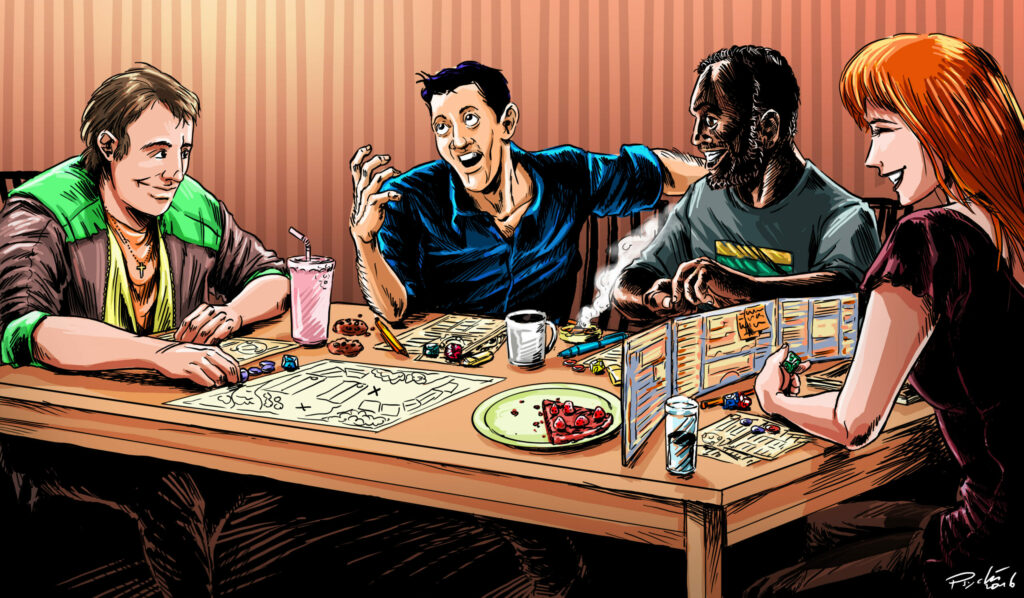
Another key part of the D&D experience is the community you find while playing. Desmond, another Teen Services Specialist, says the community has been so accepting, and he could be himself. This is true for so many of us in the D&D community. We love it because you can just be yourself and hang out. Or really, you can be anyone you want to be. You can choose to hide behind your character and keep to yourself, or you can use your character to explore new parts of yourself.
One aspect of D&D I love is that it isn’t always cooperative. Players aren’t (always) forced to work together. In my previous games, different characters had different goals, and often, we would find they competed with each other. Gold wasn’t always shared equally, even if someone might have pretended that it was. Or one character might insist they needed extra for their personal schemes or even insist that they simply deserved it. Suddenly, you might find yourself enslaved to a vampire master who you thought was your teammate. Next thing you know you are attacking your friends, but it’s okay, this is what you want now; you live to serve your master. Have a conflict with someone in the game? You better make sure to resolve it because next thing you know you are fighting a player to the death in the middle of the desert.
Dungeons & Dragons Events at Fountaindale
Dungeons & Dragons (Grades 6–12)
Thursdays, May 9, June 13, July 11 & August 8, 6 p.m.
Do you love to cast Magic Missile at the darkness? Do you dream about engaging dragons in combat? Join us for an impromptu two-hour game of D&D in the Vortex!
Dungeons & Dragons 5E: Spelljammer (Adults)
Saturdays, April 20, May 11, June 1, 22, July 13 & August 24, 1:30 p.m.
Join us on Roll20 for an exciting D&D campaign! Draw your sword, cast spells and learn arcane secrets in the world’s most popular tabletop roleplaying game. New players are welcome.
Learn How to Dungeon Master: A D&D Mentorship Program (Teens)
Mondays & Wednesdays, June 17, 19, 24 & 26, 2 p.m.
Interested in Dungeons & Dragons? Want to create and run fantasy adventures for your friends? Come learn all the ins and outs of what it takes to become a successful Dungeon Master in this four-part series.
Books & More
Resources & Nonfiction
Inside the World of Dungeons & Dragons by Susie Rae
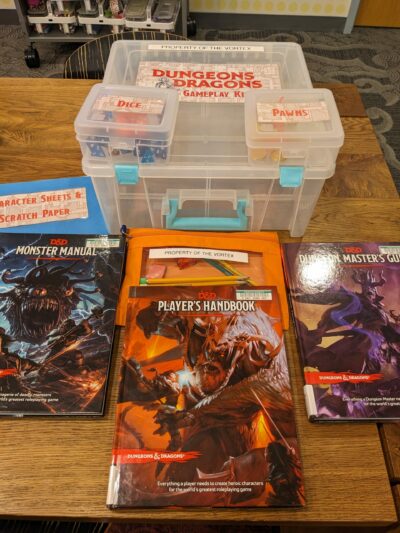
Teen D&D Kit (This kit must stay in the Vortex.)
Dungeons & Drawings: An Illustrated Compendium of Creatures by Blanca Martínez de Rituerto and Joe Sparrow
The Legend of Drizzt Visual Dictionary by Michael Witwer
Dungeons & Dragons and Philosophy by Christopher Robichaud
Fiction & Graphic Novels
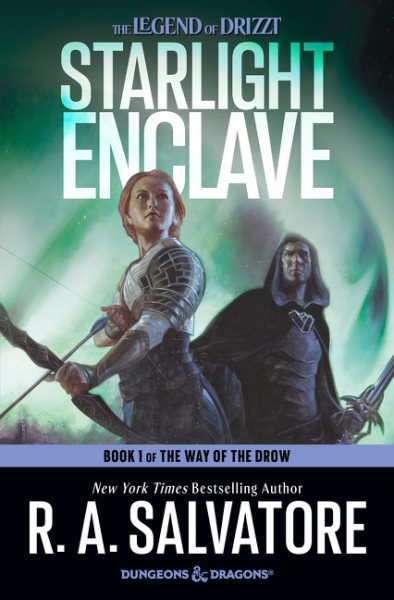
Starlight Enclave by R. A. Salvatore
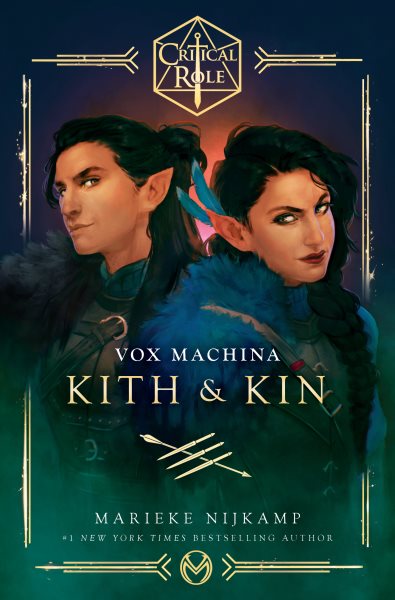
Vox Machina: Kith & Kin by Marieke Nijkamp
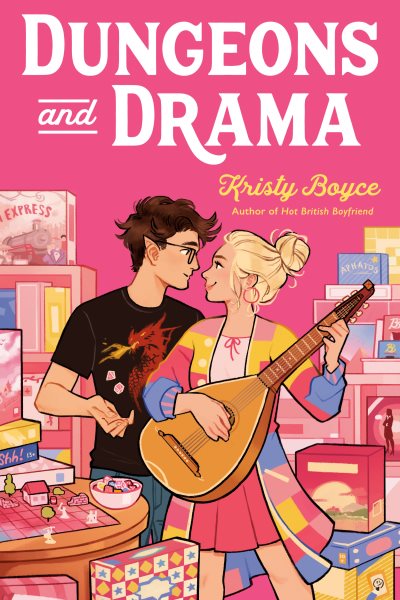
Dungeons & Drama by Kristy Boyce
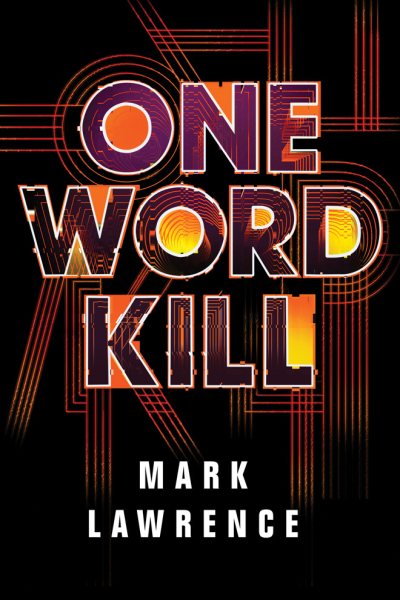
One Word Kill by Mark Lawrence
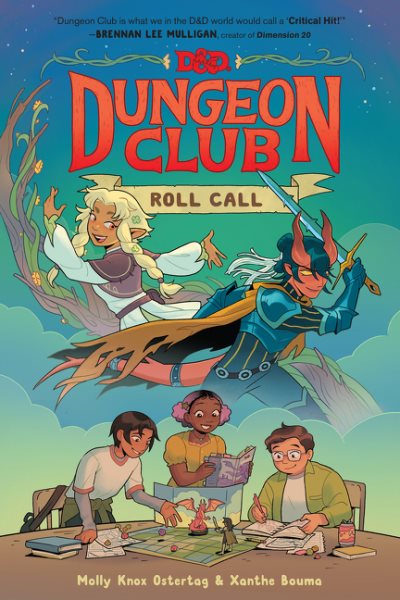
D&D Dungeon Club by Molly Knox Ostertag and Xanthe Bouma
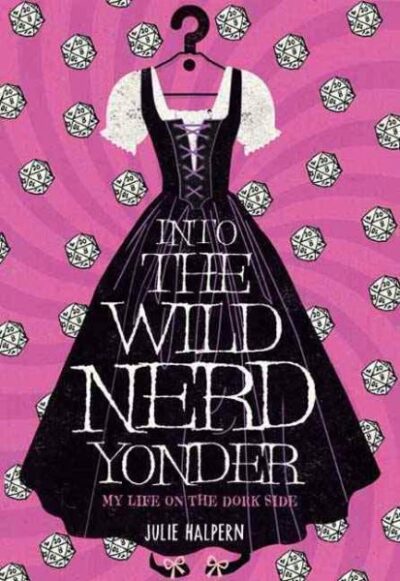
Into the Wild Nerd Yonder by Julie Halpern
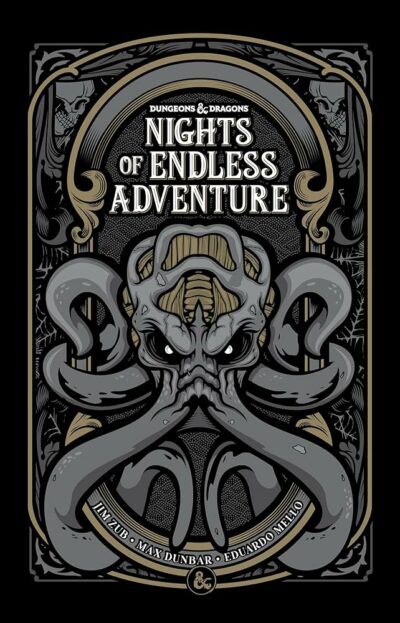
Nights of Endless Adventure by Jim Zub
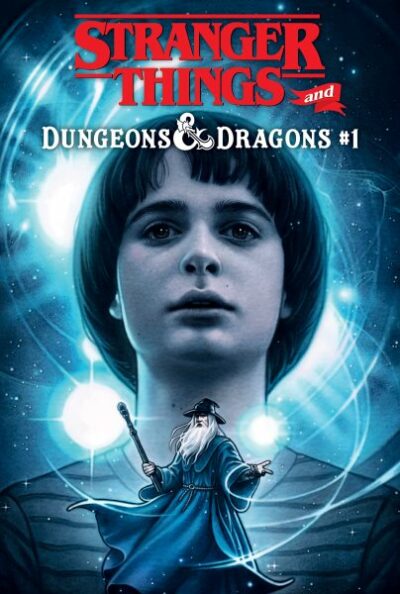
Stranger Things and Dungeons & Dragons by Jody Houser
Movies & Video Games
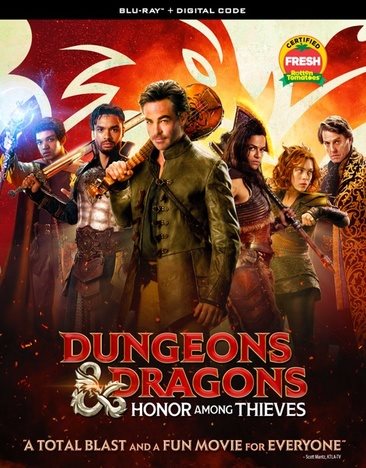
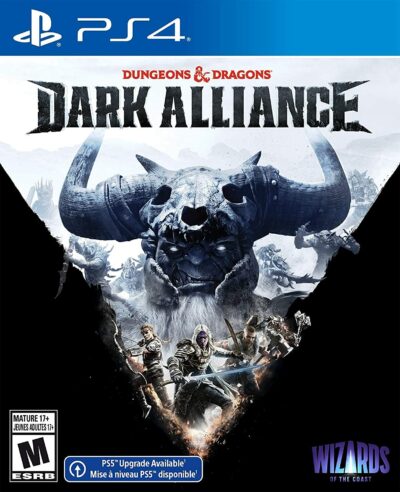
For Kids
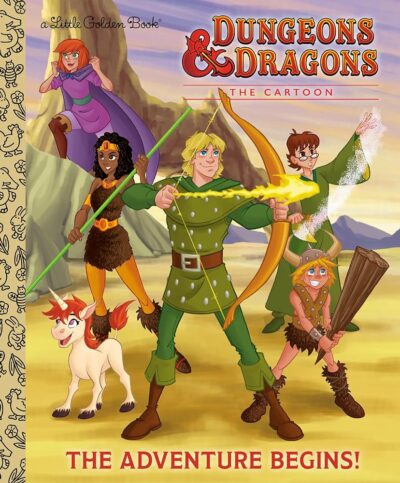
The Adventure Begins! by Dennis R. Shealy; illustrated by Nate Lovett
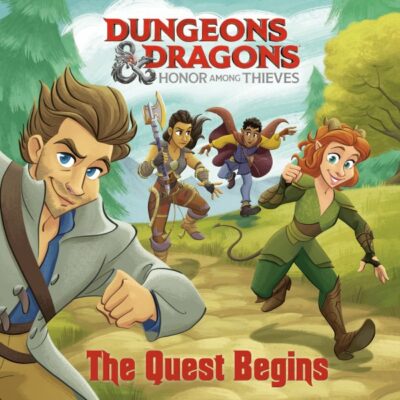
The Quest Begins by Matt Huntley; illustrated by Alan Batson and Grace Mills
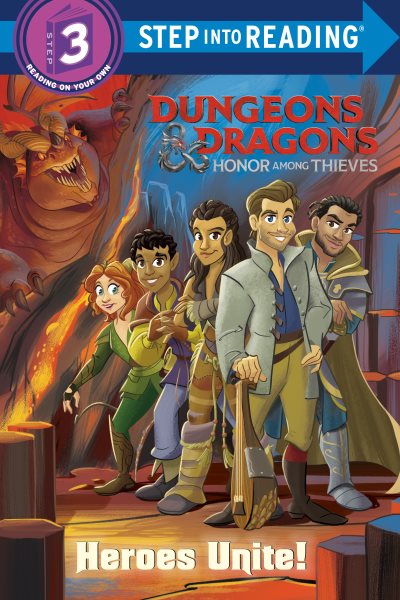
Heroes Unite! by Nicole Johnson; illustrated by Alan Batson and Grace Mills
Beyond Dragons: Other tabletop role-playing games to check out
While Dungeons & Dragons was the first tabletop role-playing game that went to market, these days, there are countless other options to choose from. Some of these games are fresh and new, while others have been around for decades and have their own lore, video games and more.
Shadowrun
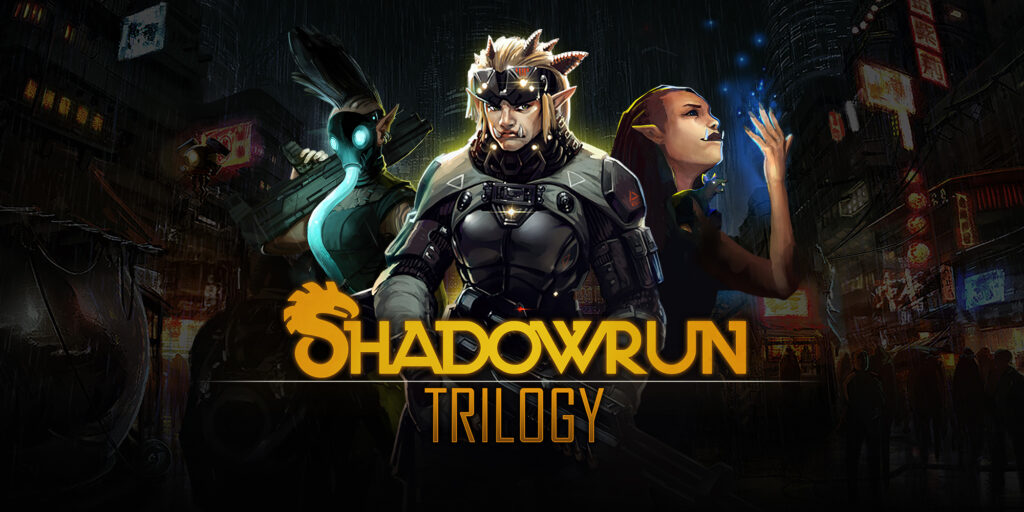
My personal favorite is Shadowrun. It’s been around since the late 80s and, like D&D, has expanded well beyond just a tabletop experience, including an amazing trilogy of video games. Shadowrun takes the fantasy setting of D&D and brings it into a cyberpunk universe. Players role-play as specialist contractors known as shadowrunners. Like with D&D, you will still be facing off against dragons and other magical creatures, but now the orcs have rocket launchers and cyberdecks, and a dragon is protecting their hoard of megacorporation assets.
Pathfinder
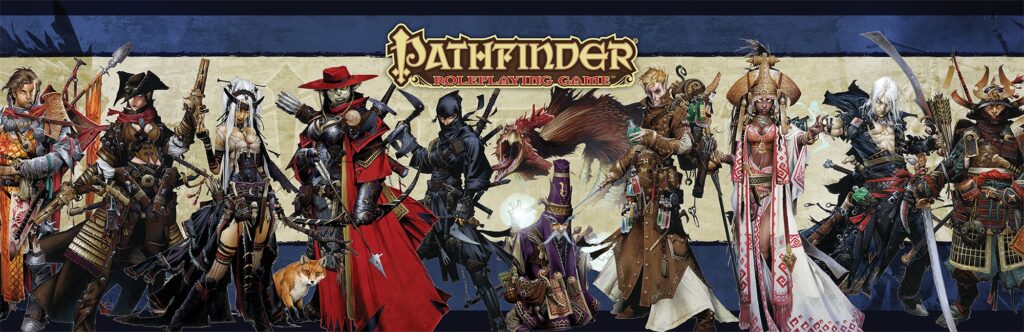
D&D has had many versions over the years. When Wizards of the Coast released its least popular edition in 4.0, Paizo took what once was D&D 3.5 and spun it off into their own game, Pathfinder. Since many people didn’t like the 4th edition, my former DM included, they turned to Pathfinder. At its height, many speculated that Pathfinder had eclipsed Dungeons & Dragons in popularity. A huge bonus to Pathfinder is that all of the rules are completely free to access. There’s no need to secure a player’s manual, every rule you need can be found online.
Starfinder
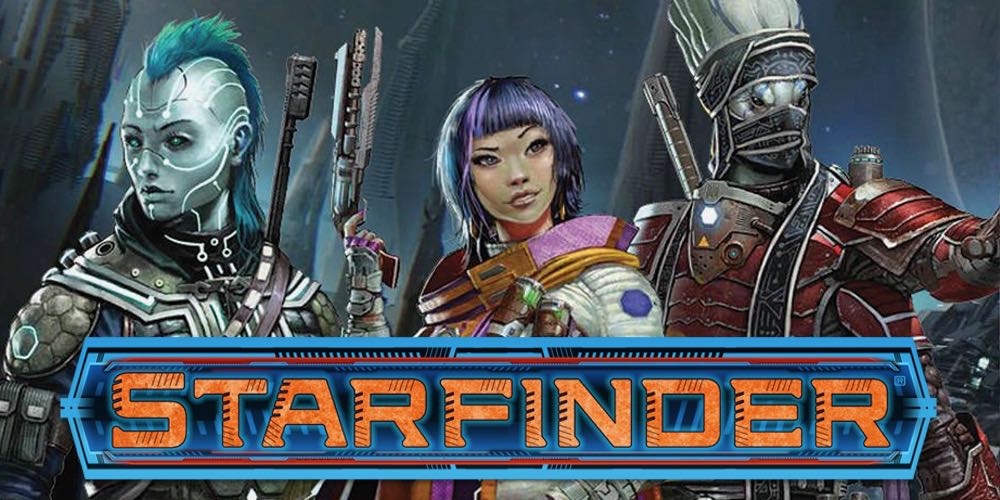
Want a cyberpunk game that feels more like D&D, try Paizo’s more recent TTRPG Starfinder. Much like Pathfinder, the game’s rules are free to access online, under the open gameplay license.
Avatar Legends
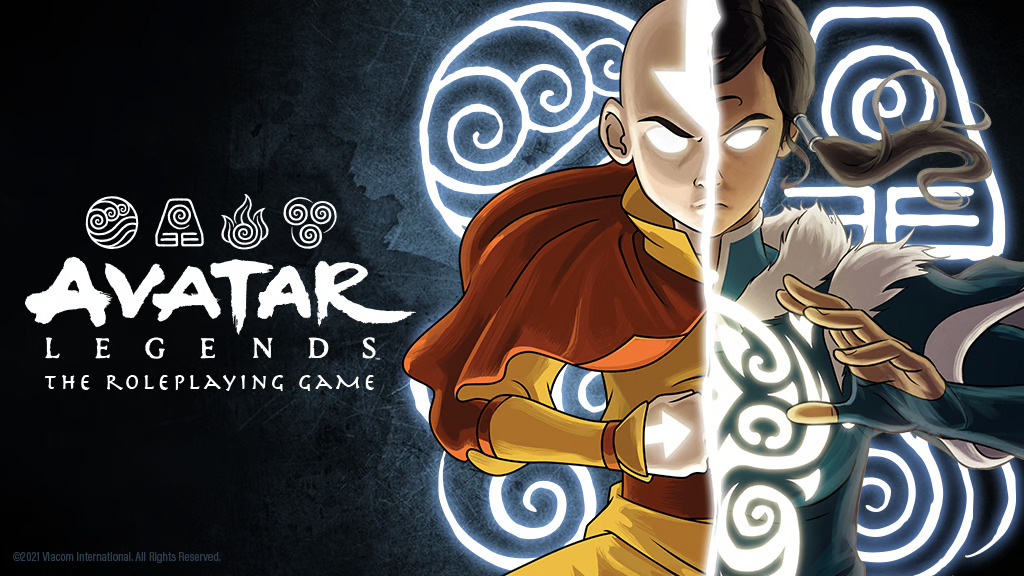
Back when I wanted to play an Airbender in Pathfinder, I had to find a custom ruleset for it that my DM worked with me to balance for our campaign. But if you want to experience the fun of role-playing as a bender, you no longer need to DIY it. You can instead try out the standalone TTRPG Avatar Legends.
This post uses trademarks and/or copyrights owned by Paizo Inc., used under Paizo’s Community Use Policy (paizo.com/communityuse). We are expressly prohibited from charging you to use or access this content. This blog is not published, endorsed, or specifically approved by Paizo. For more information about Paizo Inc. and Paizo products, visit paizo.com.