Winners of the 3rd Annual ShortHaus Short Film Competition
Our third year of the Short Film Competition truly brought the most impressive showing yet. All the submissions were strong, showing wild creativity, proficiency in the medium despite their amateur status, and just some of the best stories I could have imagined coming from our local Fountaindale filmmakers.
Congratulations to all the filmmakers who submitted. Completing a film is truly an accomplishment. But of course, this was a competition, so even more congratulations to our winners this year:
First Place: Isaiah “NoIDols” Dilworth, I Miss my Cousin
Second Place: Makani Stingl, i’ll never be 17 again
Third Place: Ramere Jackson, Joshua Stewart and Marisol Zepeda, The Baby
The only rules for the competition were that films had to be original, from this year, and less than 8 minutes in runtime. Though I didn’t restrict the competition thematically, unifying themes emerged both in the various explorations of the documentary genre and also in the focus of absurdist humor. These films have lots of genre-bending comedy, but also a little bit of sincerity. All the films are available to watch on our YouTube channel, and I highly recommend each and every one of these submissions. But read on if you still need some convincing.
If you’re ready to become a filmmaker yourself, don’t forget to come to our monthly short film program, ShortHaus Cinema! You can find details on our upcoming directors at the end of this post.
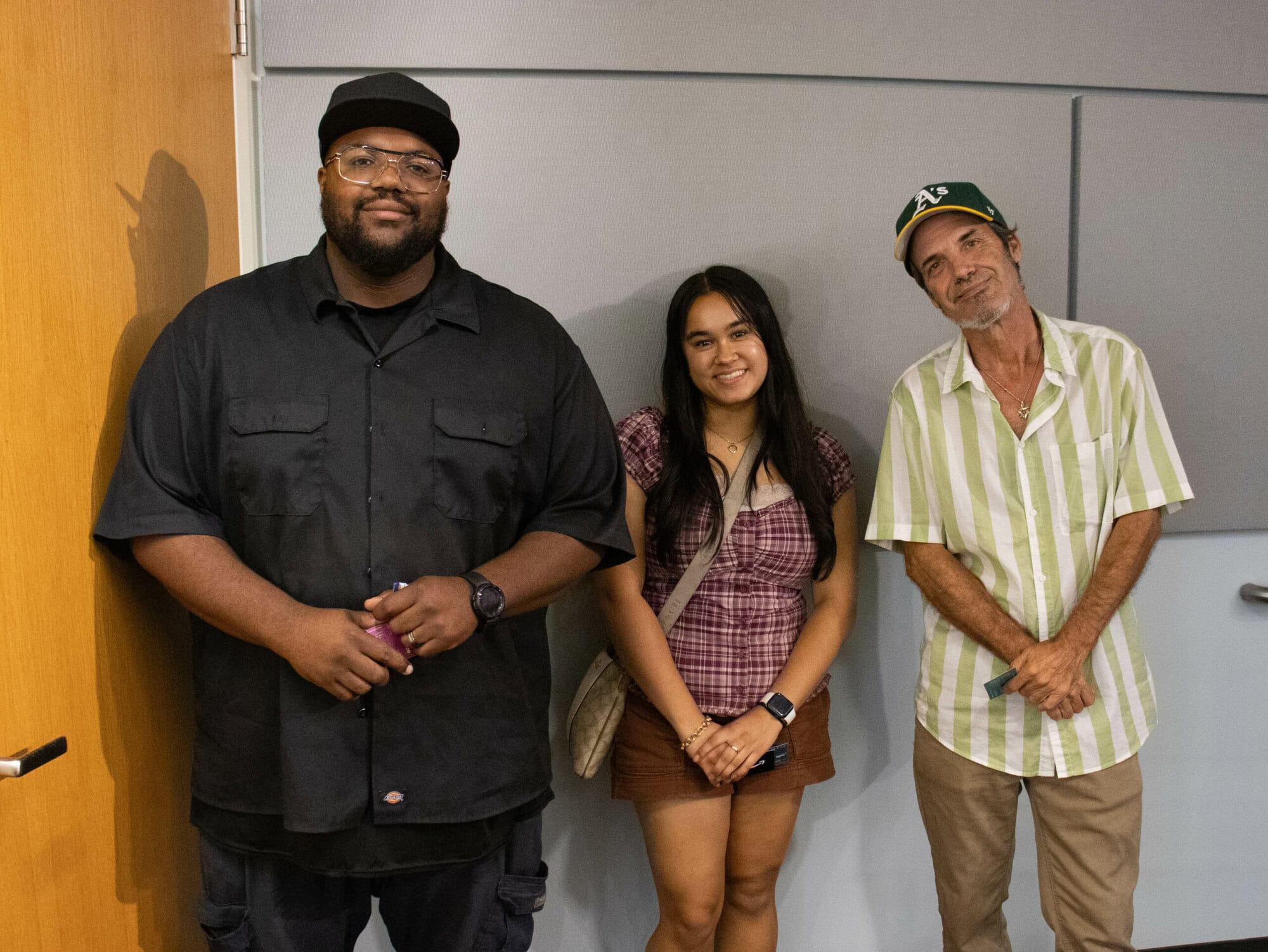
Dilworth, Stingl and Owen on the night of the September 2 screening
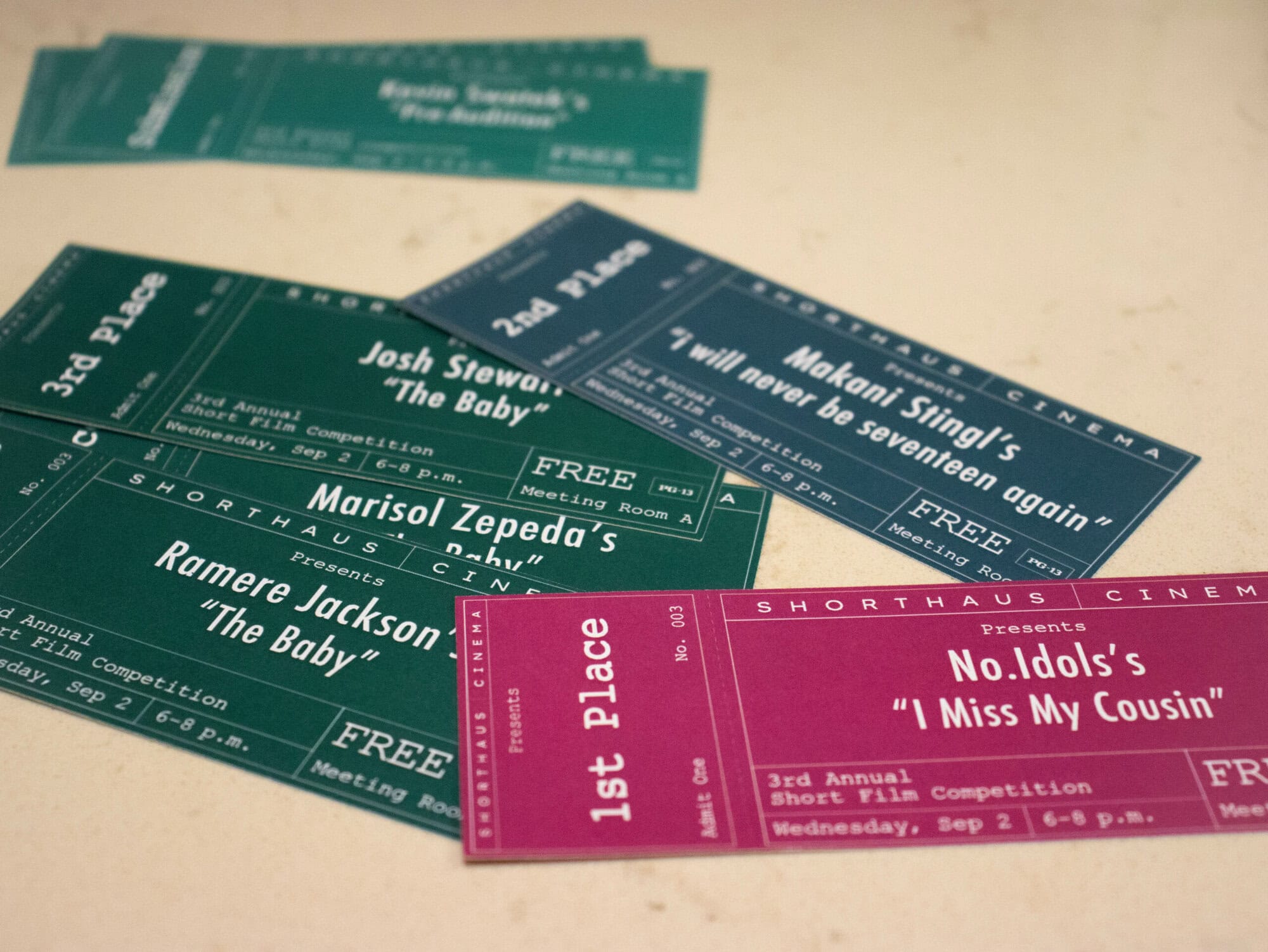
Each competitor went home with a placement ticket with their name and the title of their film to commemorate their participation.
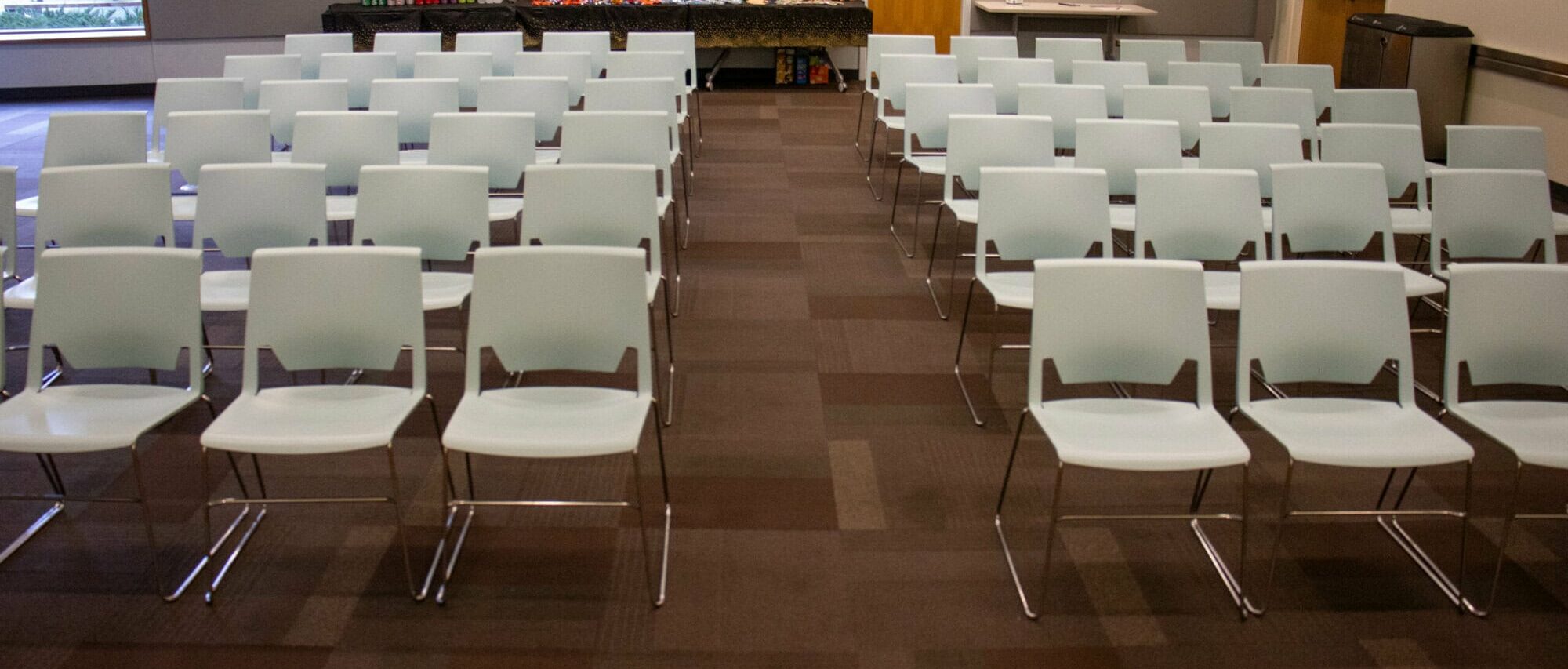
I hope to see every one of these chairs filled next year!
Hollywood Hilarity
Kevin Swatek’s short film Pre-Audition shows off one of the tightest scripts of the competition. Swatek’s time in acting school clearly shows through in how perfectly he embodies three distinct characters as they volley through a pre-audition conversation.
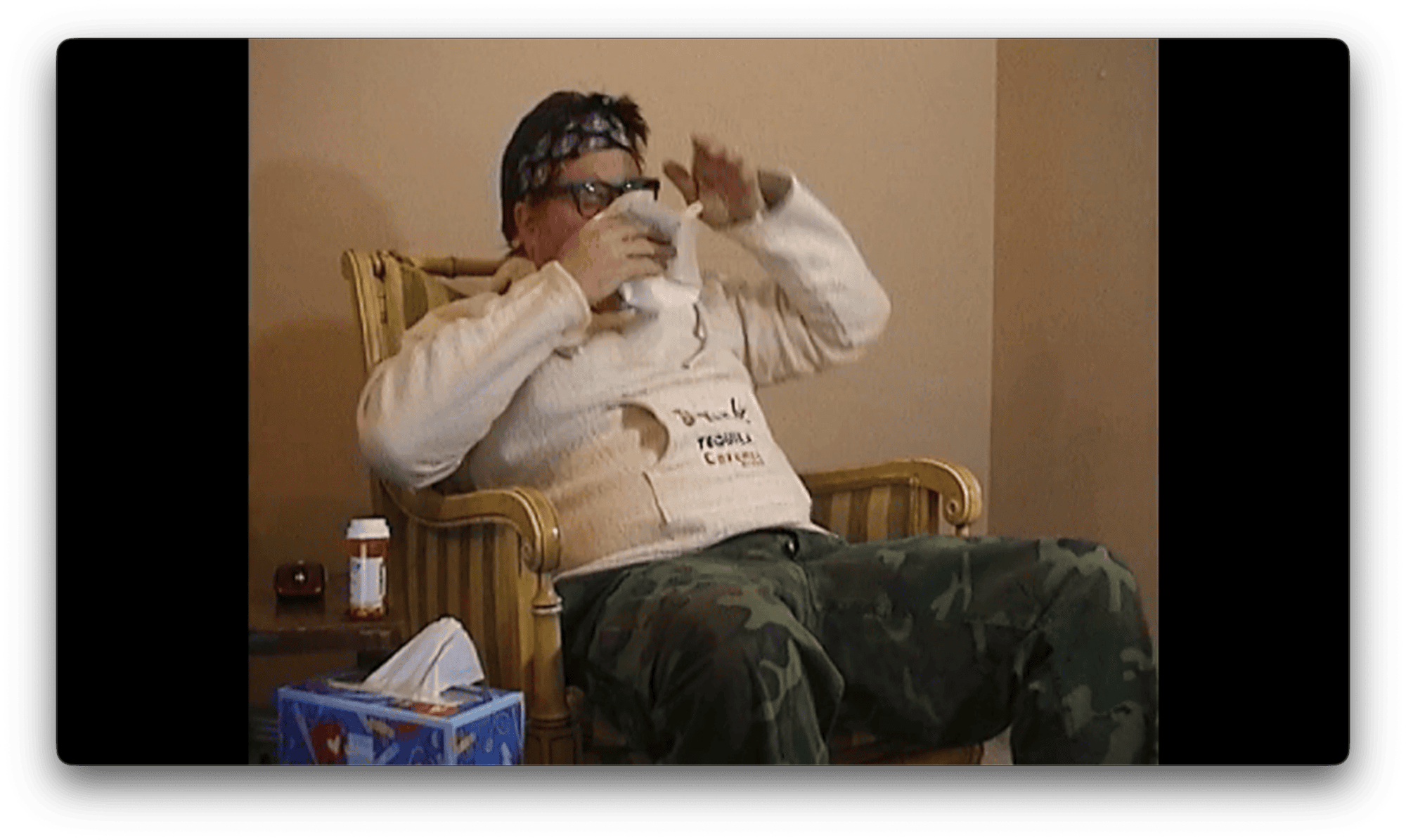
“A-a-achoo!”
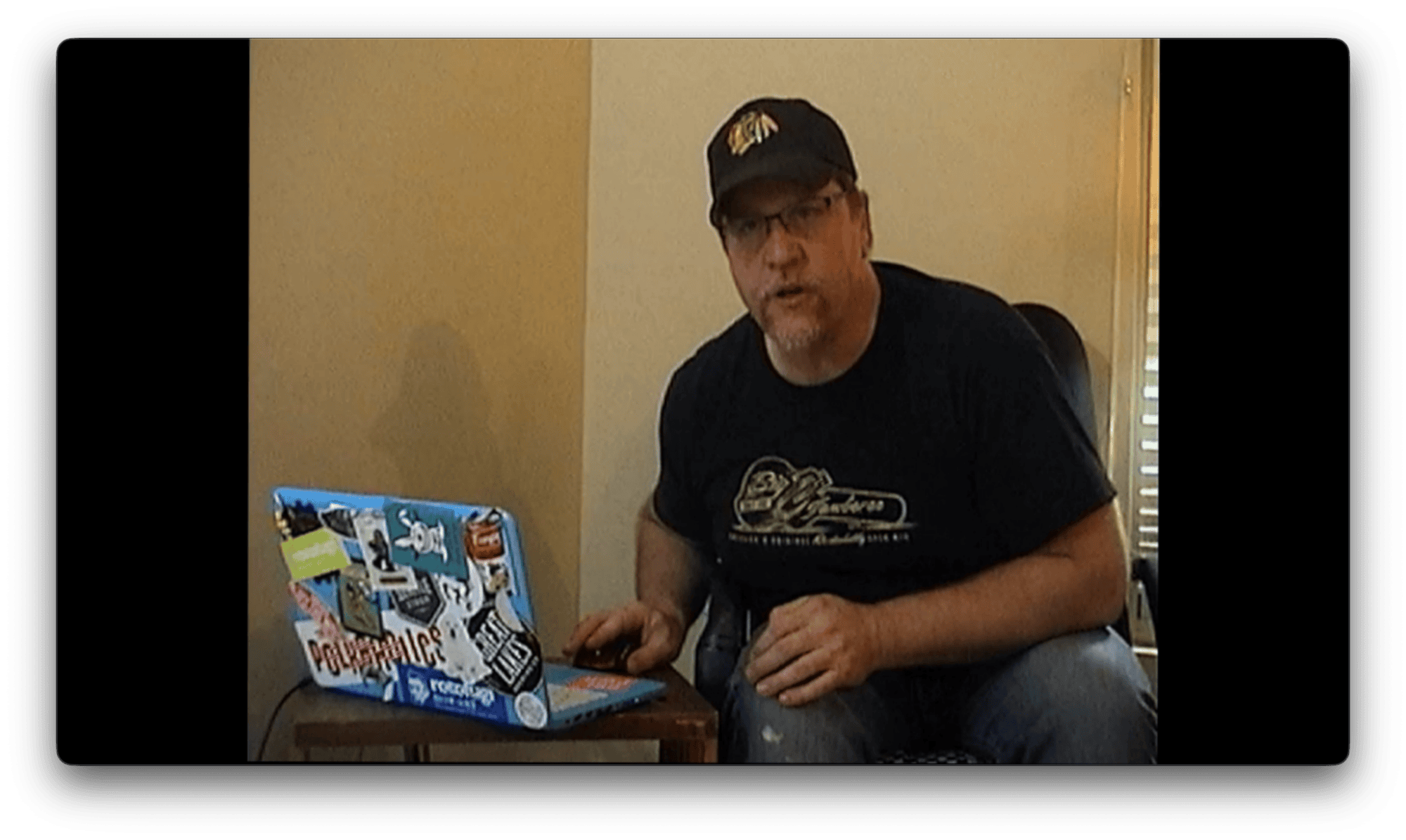
“Did you take your Claritin?”
Despite the limitations of location, the film offers up a glimpse of the realities of the industry: the insufferable experience that is auditions. Swatek’s Hollywood writer and agent feel genuine in their caricature. But there’s also a level of specificity that locks the viewer into the absurdity. The first spoken line, after the writer sneezes obnoxiously, is “Did you take your Claritin?” The line is delivered so seriously that it immediately and succinctly establishes the character dynamics between the main characters: one disaster creative and his parentified agent. The script continues with this same level of humorous specificity that is so well delivered, I can’t help but laugh at every line.
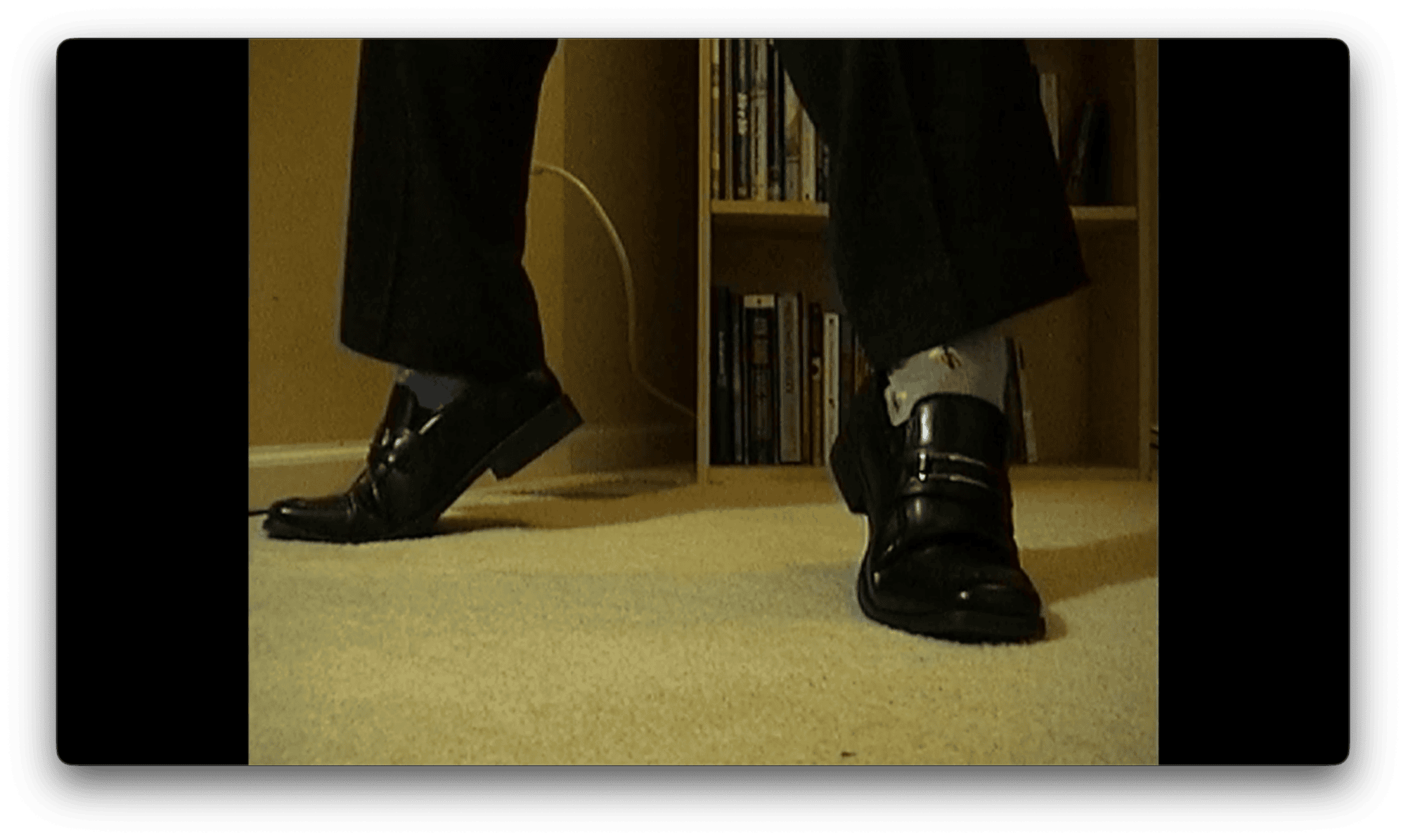
The man on the phone paces the room with mismatched socks and a penchant for swearing.
The only other character on screen is a cartoon of a man, belligerently arguing over the phone the entire runtime. His exaggerated feet and hand gestures offer a visual contrast to the seated conversation. But it also pairs well with his buffoonish statements that so frequently must be bleeped out with looney tune sound effects.
As for the look, the vintage camcorder and warm tones add to the sleazy Hollywood backrooms feel. The camera work may be limited, but in no way does it detract from Swatek’s true strengths in scriptwriting and acting. I hope he continues to find creative uses for his vintage tech in his proficient storytelling.
Documentary Squirrel
The Punk of Parody is at it again. In our initial competition two years ago, Michael Owen tied for first with Uber Driver, his take on the Scorsese classic. This year, Owen chose to butt heads with Werner Herzog and take on Grizzly Man (2005).
His short, Squirrel Man, understands its origins with concise clarity. Owen molds himself into the cadence of Timothy Treadwell and Werner Herzog perfectly, clearly understanding their perspectives in the original work. Squirrel Man reflects the core conflict of its inspiration, but highlights the folly of man more so by changing the violent animal to an understuffed squirrel.
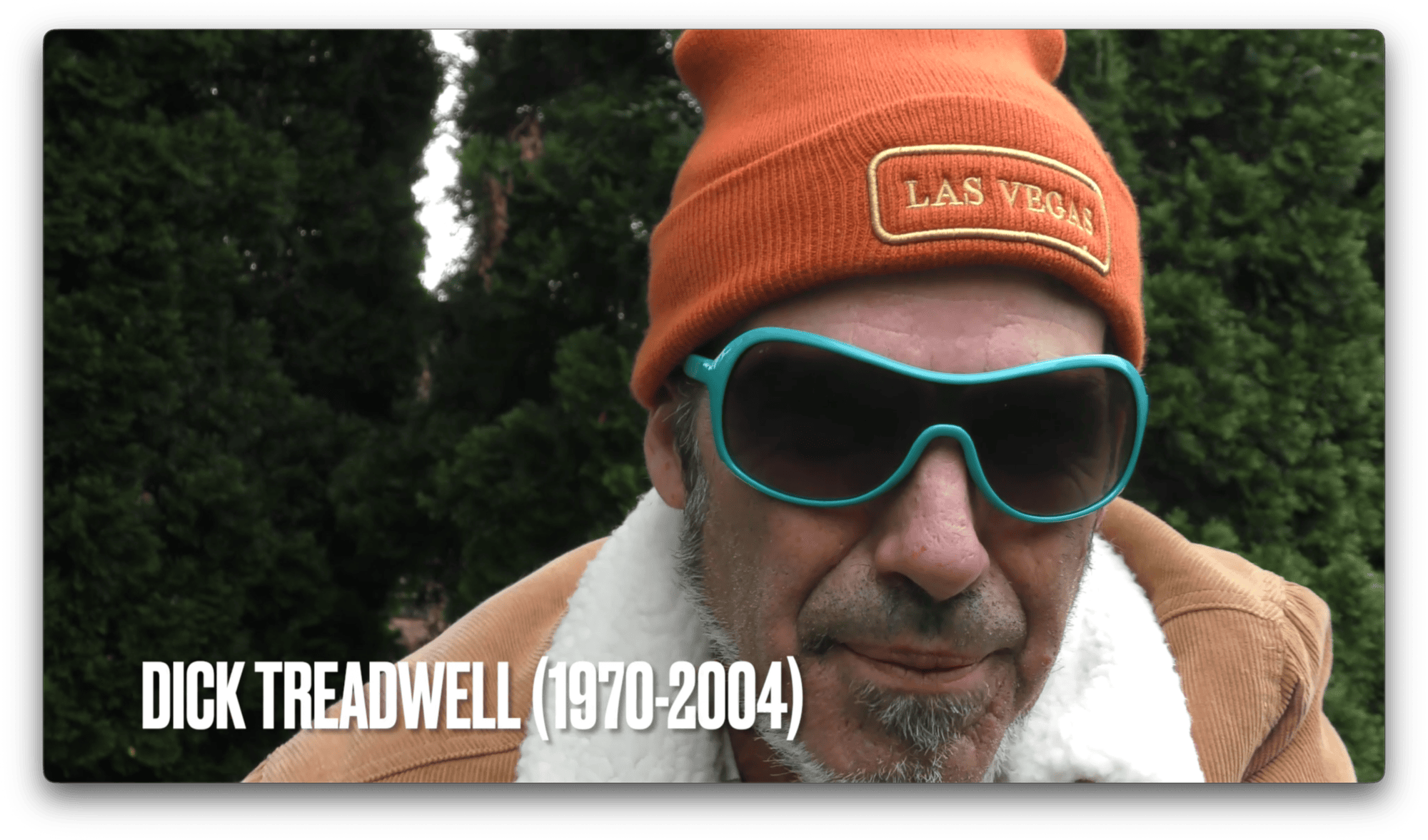
Dick Treadwell, so-called brother to Timothy Treadwell of “Grizzly Man” fame.
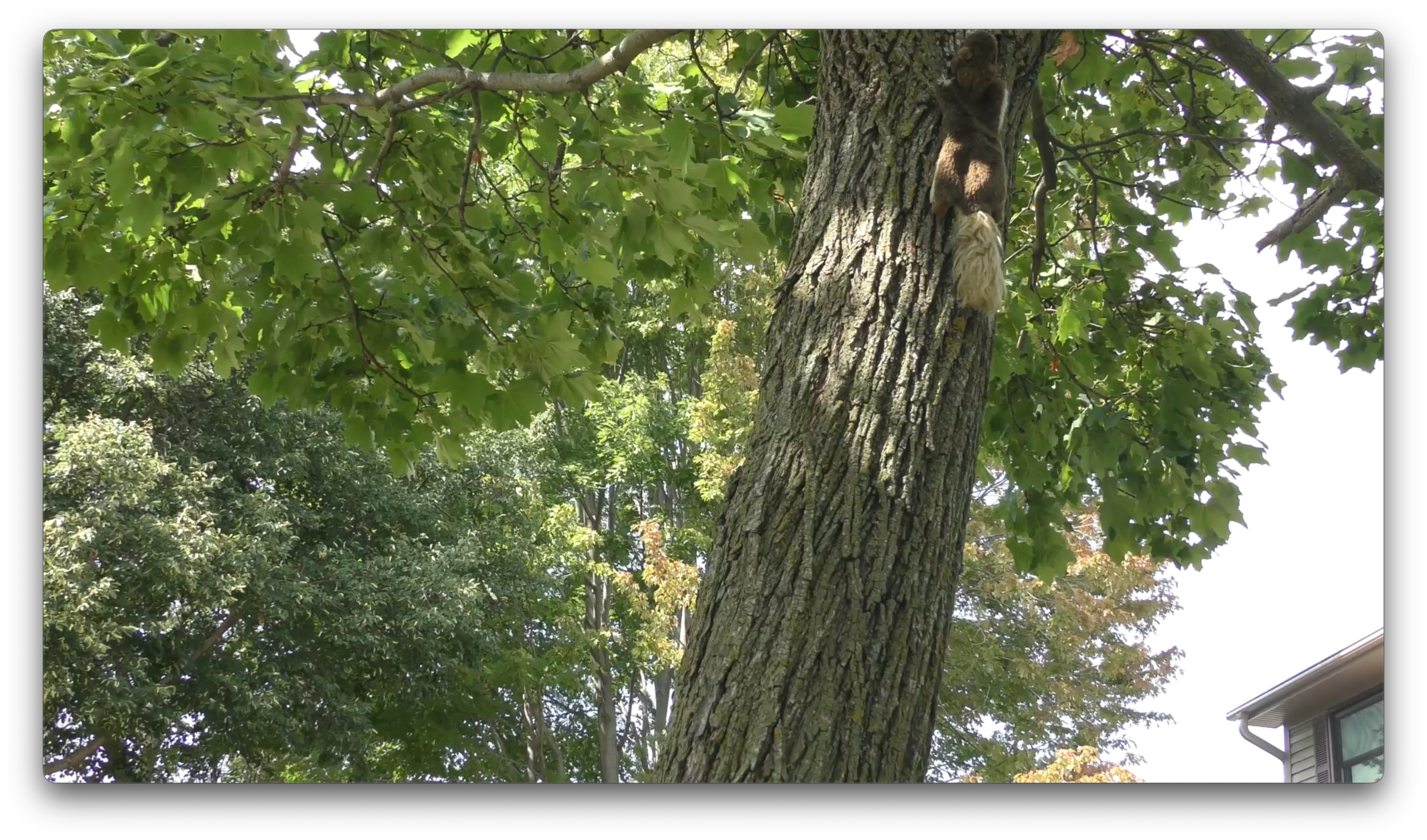
The squirrels of Naperville float vertically up trees along a discreet fishing line.
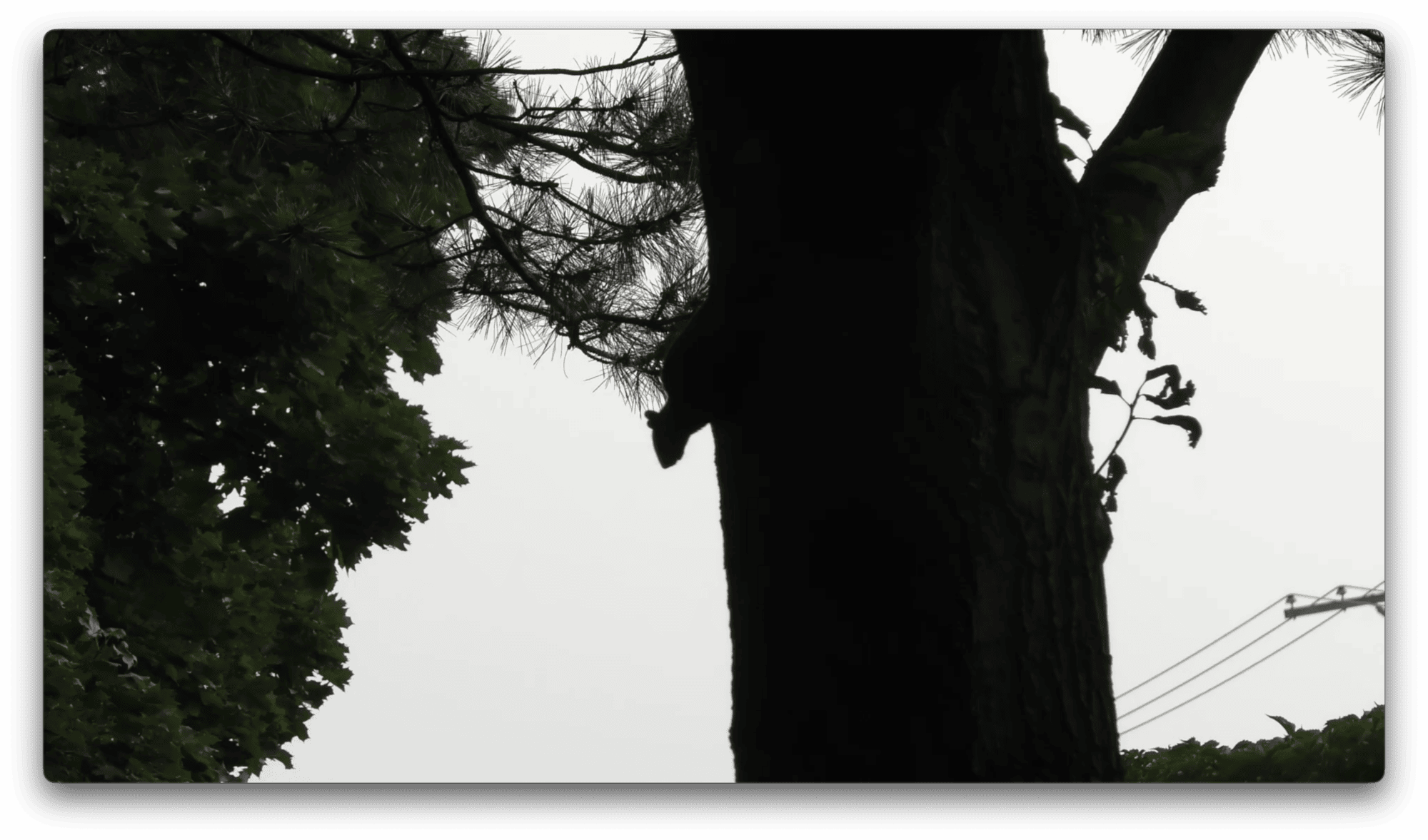
Owen still manages to capture some stunning shots, juxtaposed against the goofy puppetry and parody.
Herzog isn’t Owen’s only inspiration, however. Dick’s Uber driver, who also happens upon his corpse after the squirrels take a violent turn, is named Bill Armisen. The name choice is clearly pointing to Bill Hader and Fred Armisen’s Documentary Now, which finds similar hilarity within the genre of documentary.
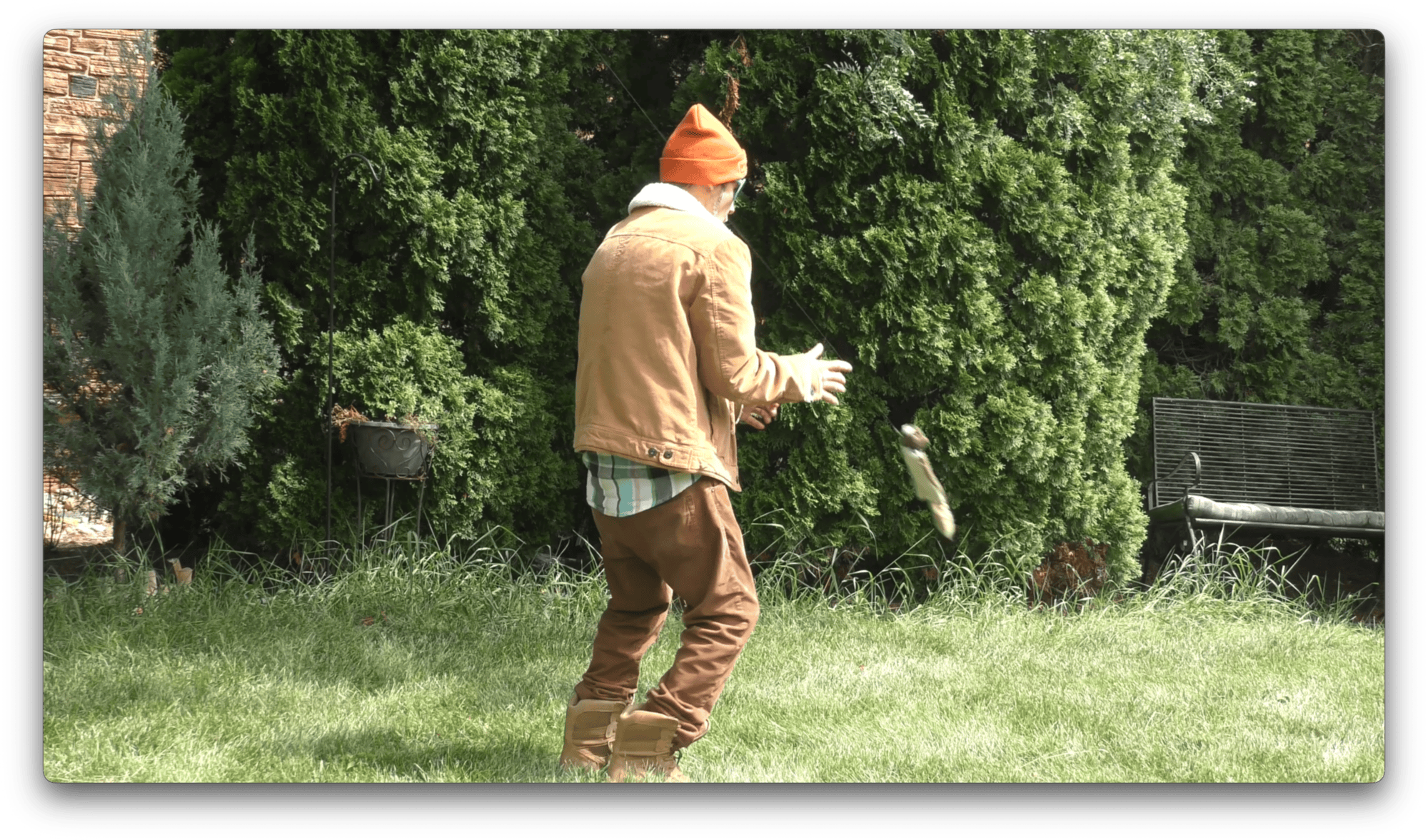
Can you spot the fishing line?
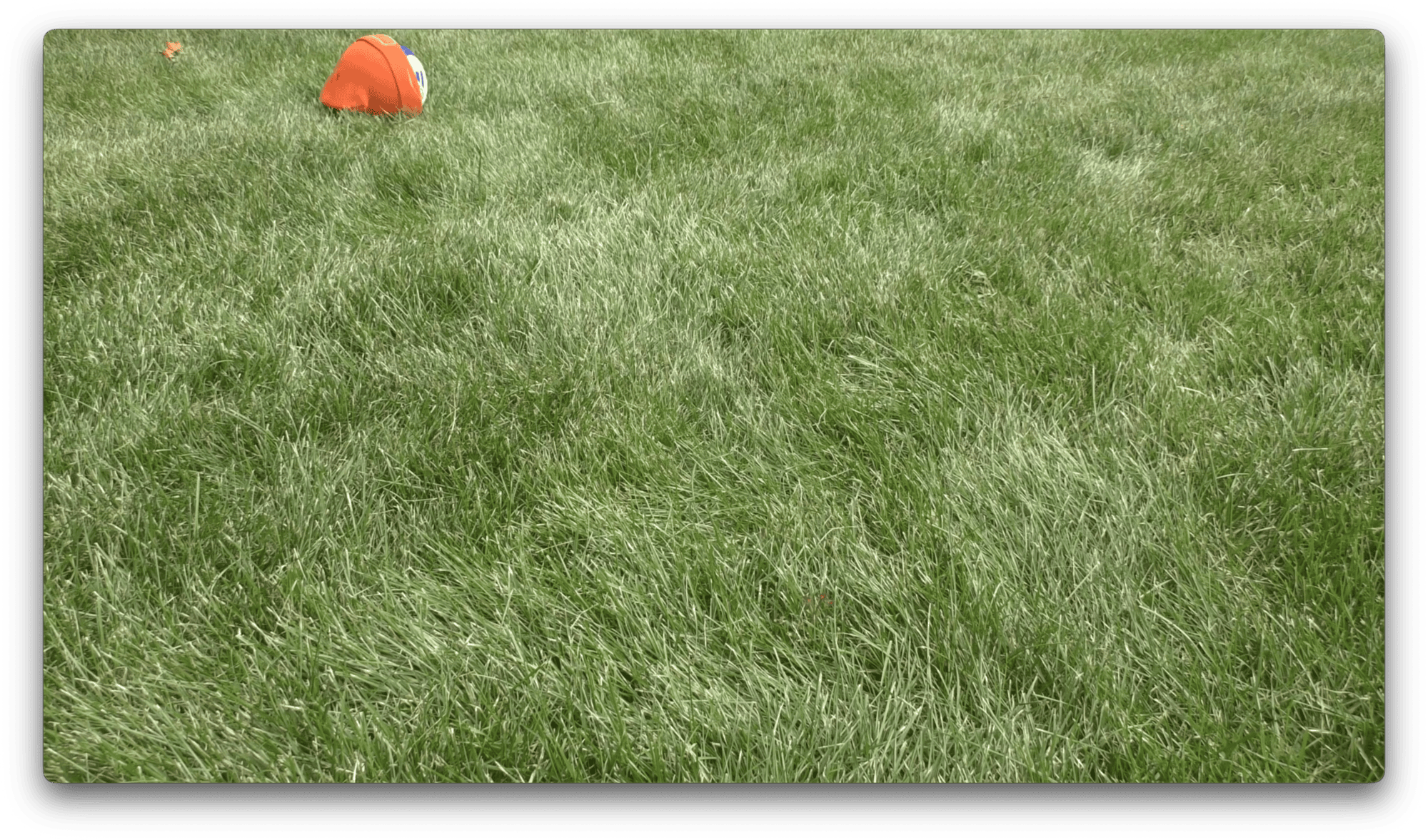
Treadwell, deceased?
Like Pre-Audition, this film finds humor in the absurd. The lackadaisical puppetry of the fiendish squirrels, simply being dragged straight up tree bark on a clearly visible fishing line, adds to the comedy. The physical comedy continues when Bill describes “the squirrels kicking his head around like a soccer ball,” which is immediately followed by a shot of a soccer ball being kicked into frame, wearing Dick Treadwell’s trademark hat.
As one audience member remarked during the screening, “Is it homage or parody? Because you nailed both.” If you’ve seen Herzog’s original, you’re in for a treat as Owen reimagines each of the most iconic scenes. I have no doubt that we’ll be seeing from this director again soon.
Short and Not So Sweet
The beauty of short films is that they can be really short. The mark of a powerful director is their ability to tell a story as succinctly as possible. Ramere Jackson and his cohort are able to do just that. Communicating the characters, the scene, their relationships and their conflicts in sub-three-minute works. Each work is funny yet strikes a chord, finding the surreality in new parenthood and early dating.
The cinematography of The Backseat is truly impressive stuff for a beginner in filmmaking. The film opens with a dolly shot of a parking lot. A beautiful title sequence is stamped across it before being swept away by the passing of a car. The color grading is soft, setting the scene for the sunset romance that is about to happen.
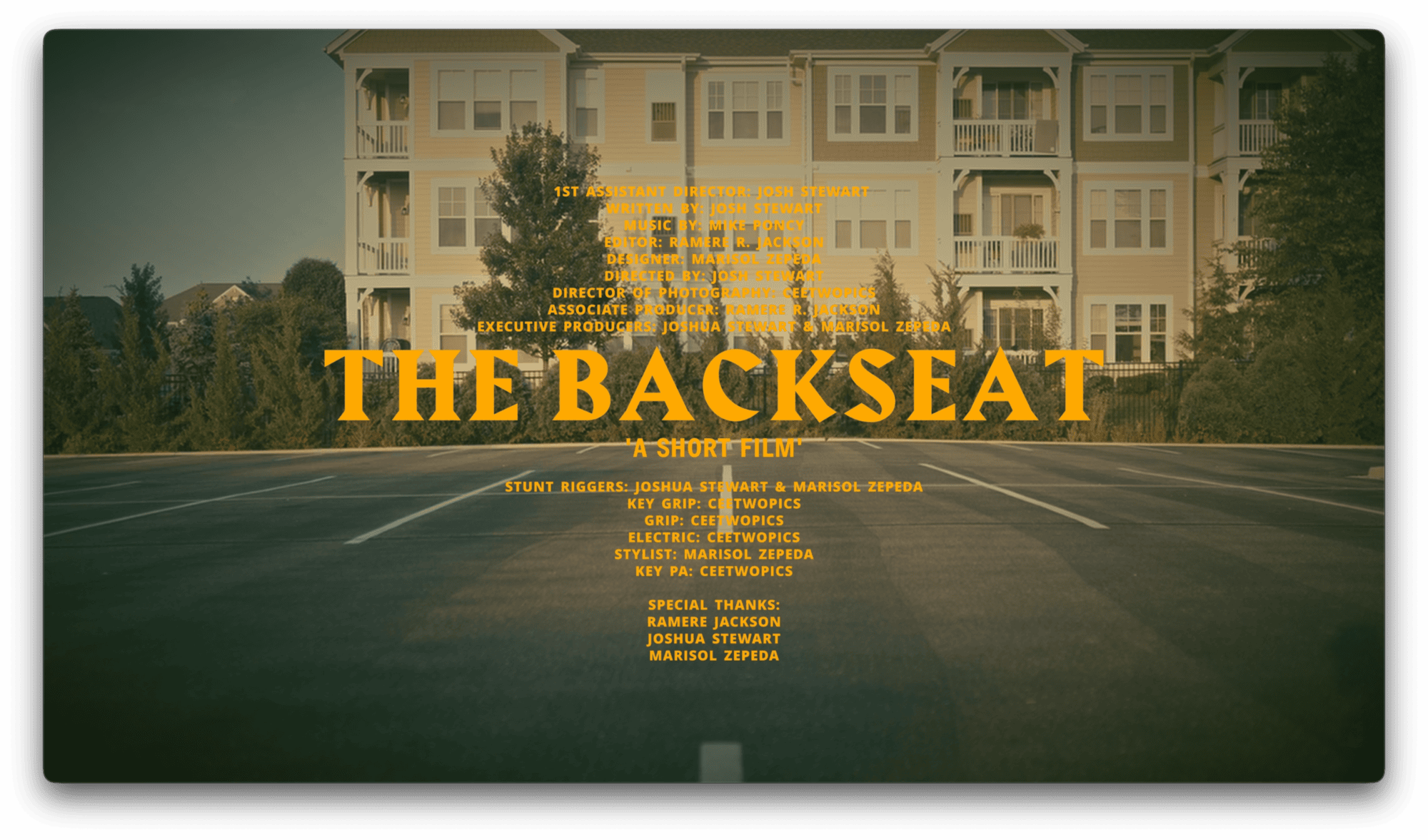
Impeccable design, just don’t look too closely at the repetitive credits.
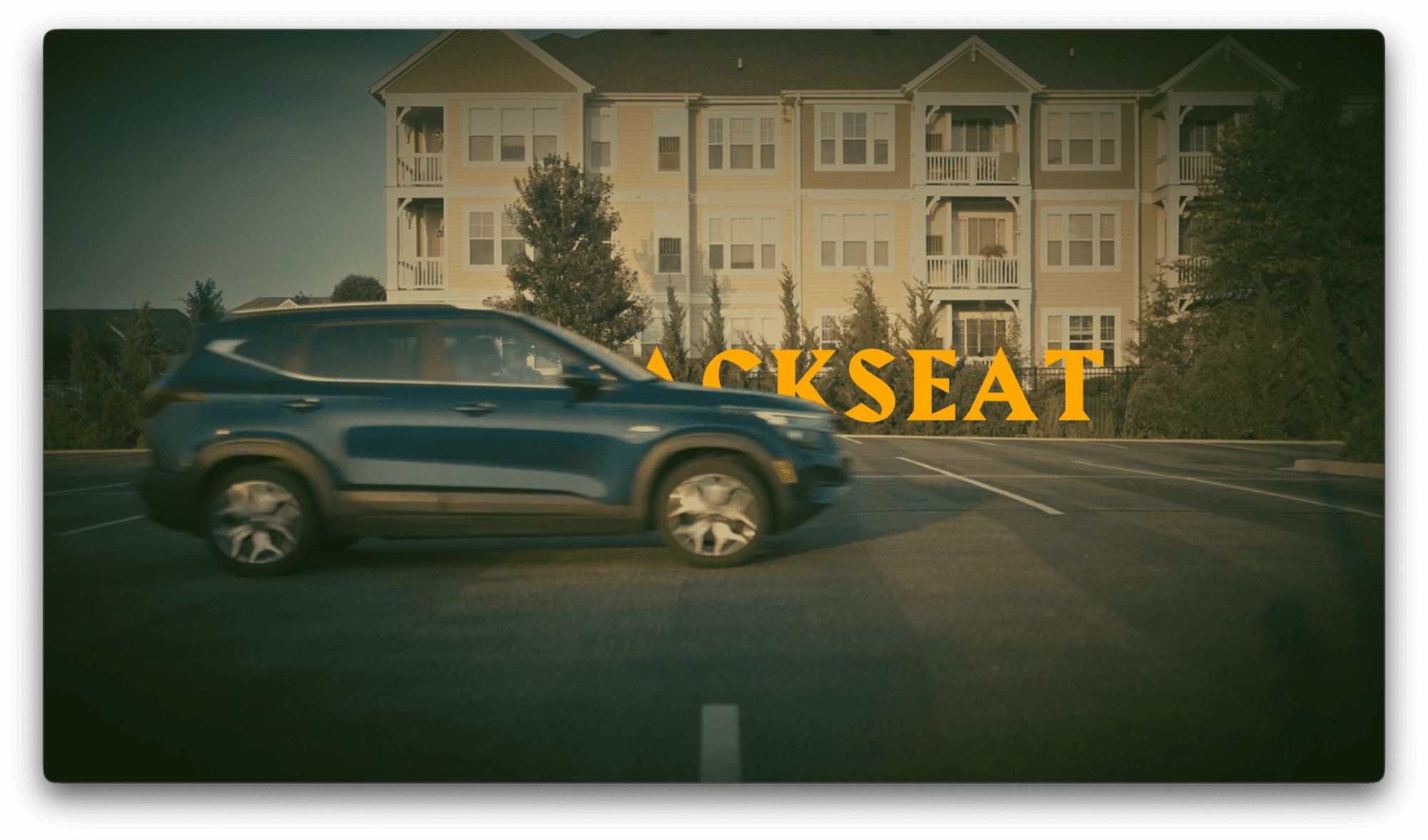
The entire audience exclaimed when they saw this. Excellent work.
But that romantic mise-en-scène is interrupted by the punchline of a date too awkward to stomach, leaving the couple separated without so much as a peck on the cheek. Each shot is visually competent, which is particularly of note due to the limitations inherent in shooting within a cramped vehicle. This is an impressive early work for Jackson and his collaborators peppered across the above credits, Josh Stewart and Marisol Zepeda. The three only started creating films together a few months ago.
What’s more impressive is how quickly the trio’s short films are improving. Since all three are local patrons, I permitted them to submit a short under each of their names. Their second submission, “The Baby,” made me laugh even more than their first, perfectly capturing the dynamics of a young couple and fresh parenthood. There’s the girlfriend who’s a little too excited to support Black rights on behalf of her boyfriend and makes a Black Panther fist for absolutely no reason. There are the new parents swooning over a baby that looks nothing like them, parental love blinding them to reality. And then there’s Jim Halpert.
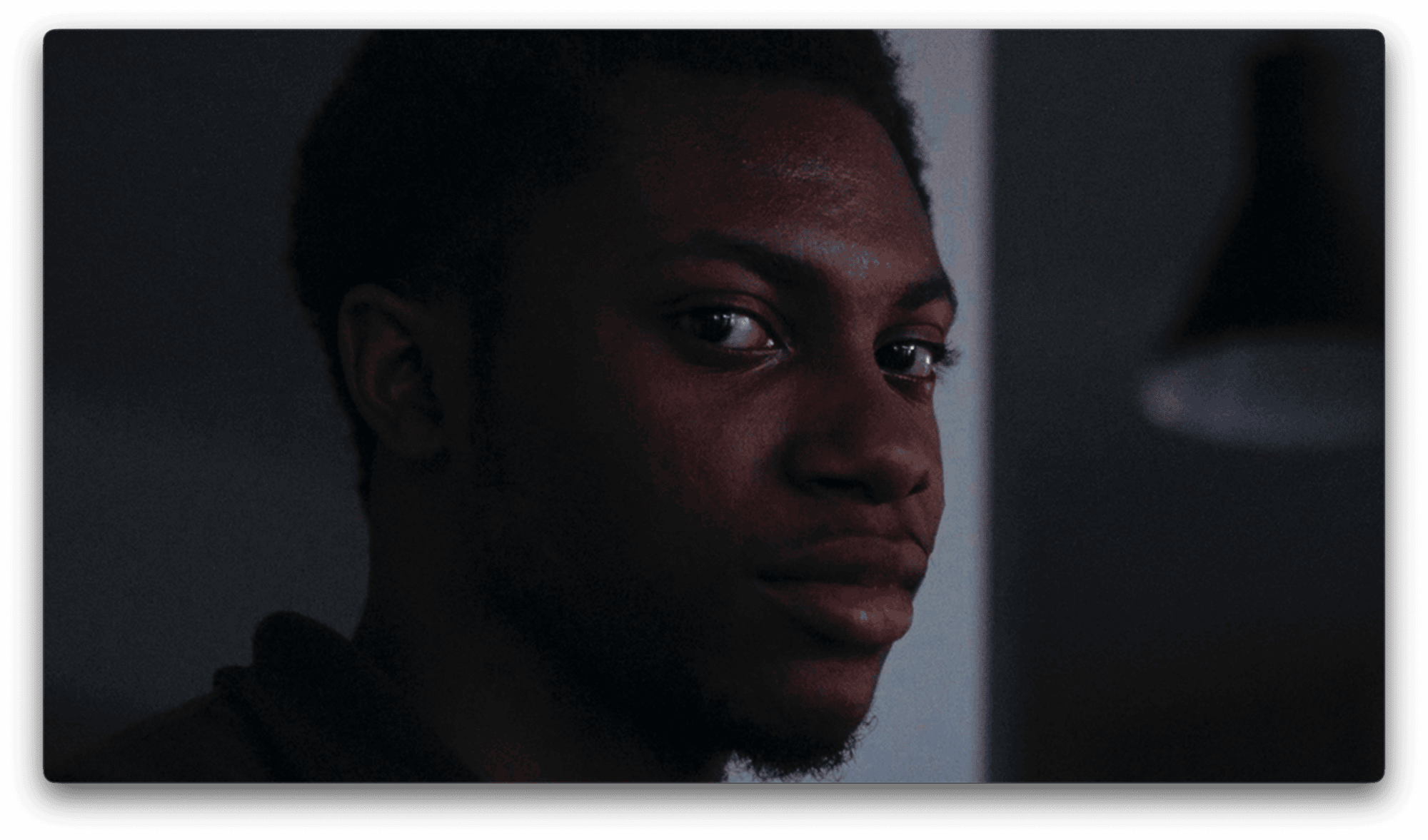
The look that says it all.
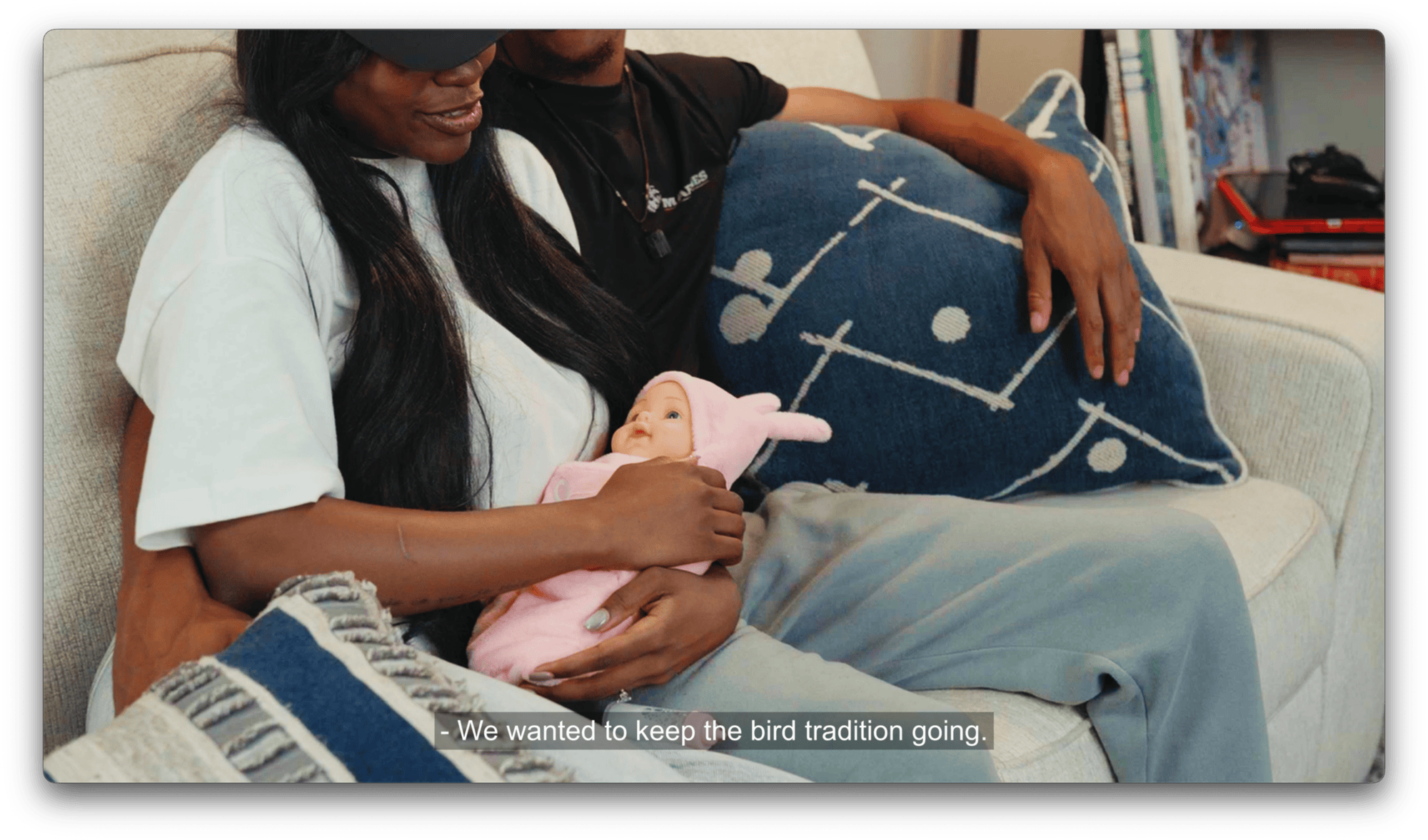
Genetics are a funny thing.
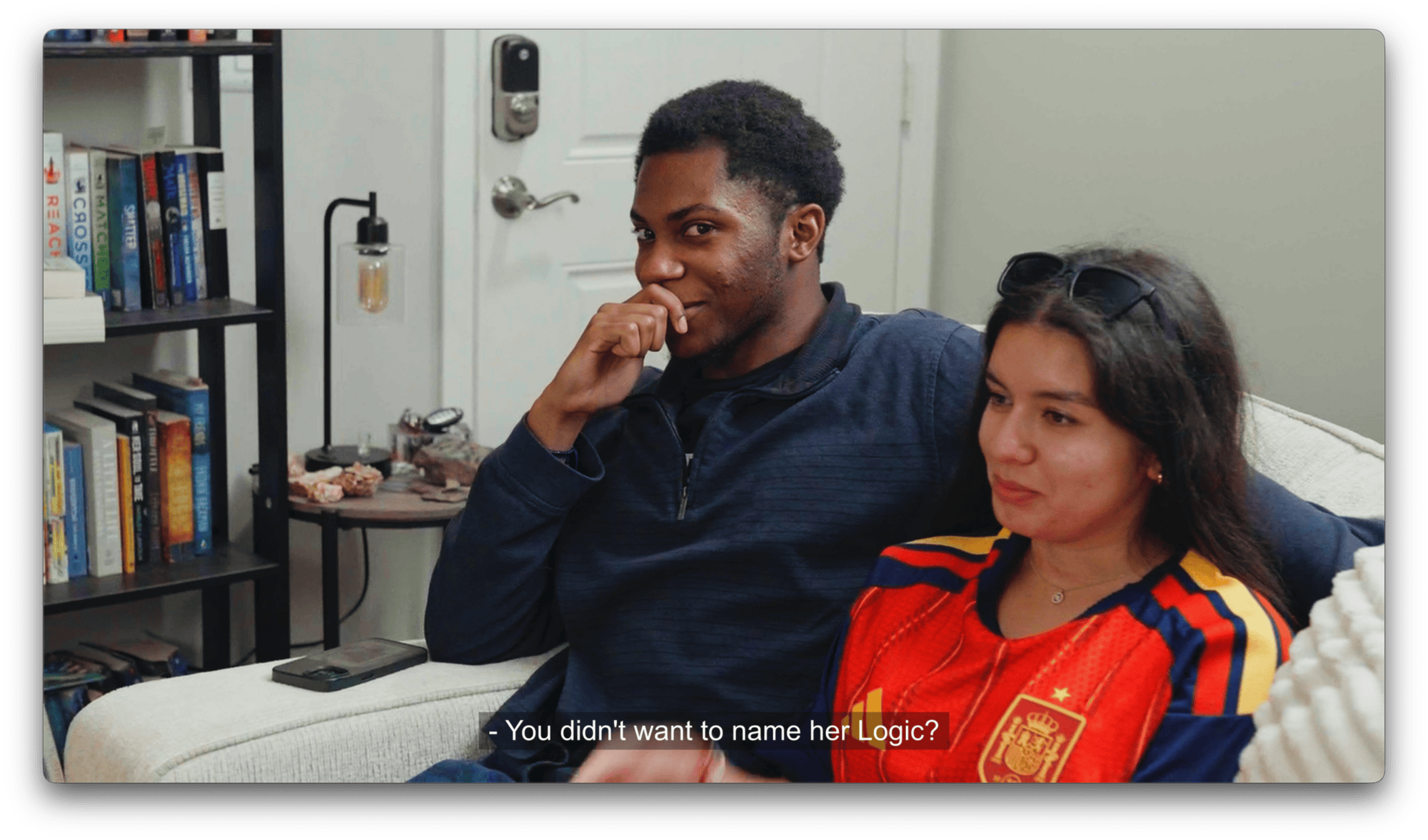
Marisol is about to hit Josh while he stares down the camera after his latest joke.
Alongside those dynamics is a clear homage to the likes of The Office, with Stewart’s character staring down the barrel of the lens during the chaos. At first, it feels like just a touch of mockumentary, but then the cutaway interviews on the couch suddenly break us from convention, the genre revealing itself. Despite the sudden juxtaposition, the interviews deepen our understanding of these characters’ perspectives and double down on the comedic elements. And of course this short releases the tension when the couple finally steps outside from their bizarre dinner with friends and shout the punchline in unison, “That’s not their baby!” The scope is simple yet effective, as the best jokes always are.
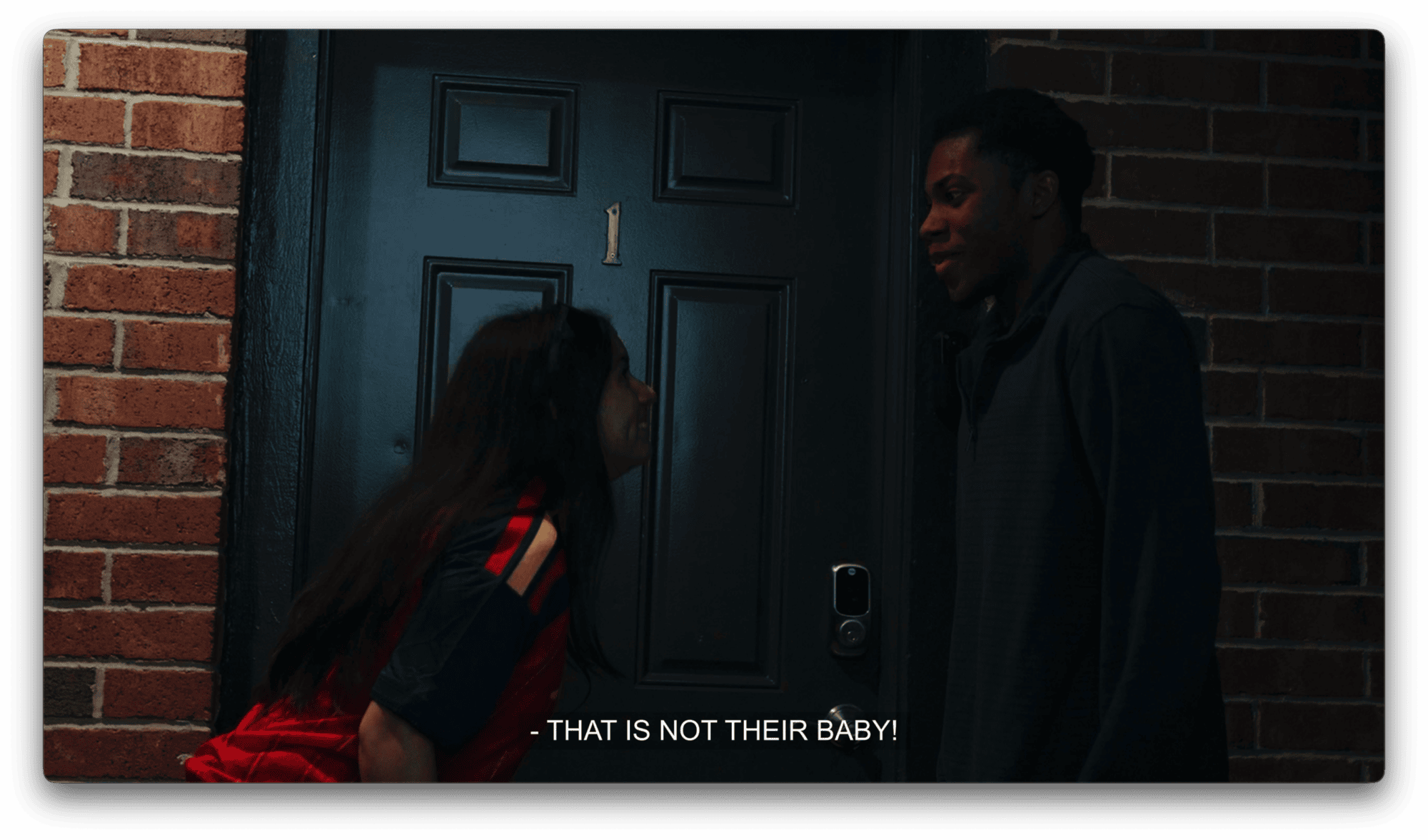
The release of the night-long tension.
Sincerely Saccharine
Our next take on the documentary is a much more sincere one. I was overjoyed to see Makani Stingl return despite being our only contributor last year. This year, she certainly had some fierce competition, but she’s leveled up her talents to become a fiercer competitor herself. No longer shooting on her iPhone, Stingl has evolved to shooting on a DSLR. This allows her more control over the image and to create a shallow depth of field to add to the texture of the film.
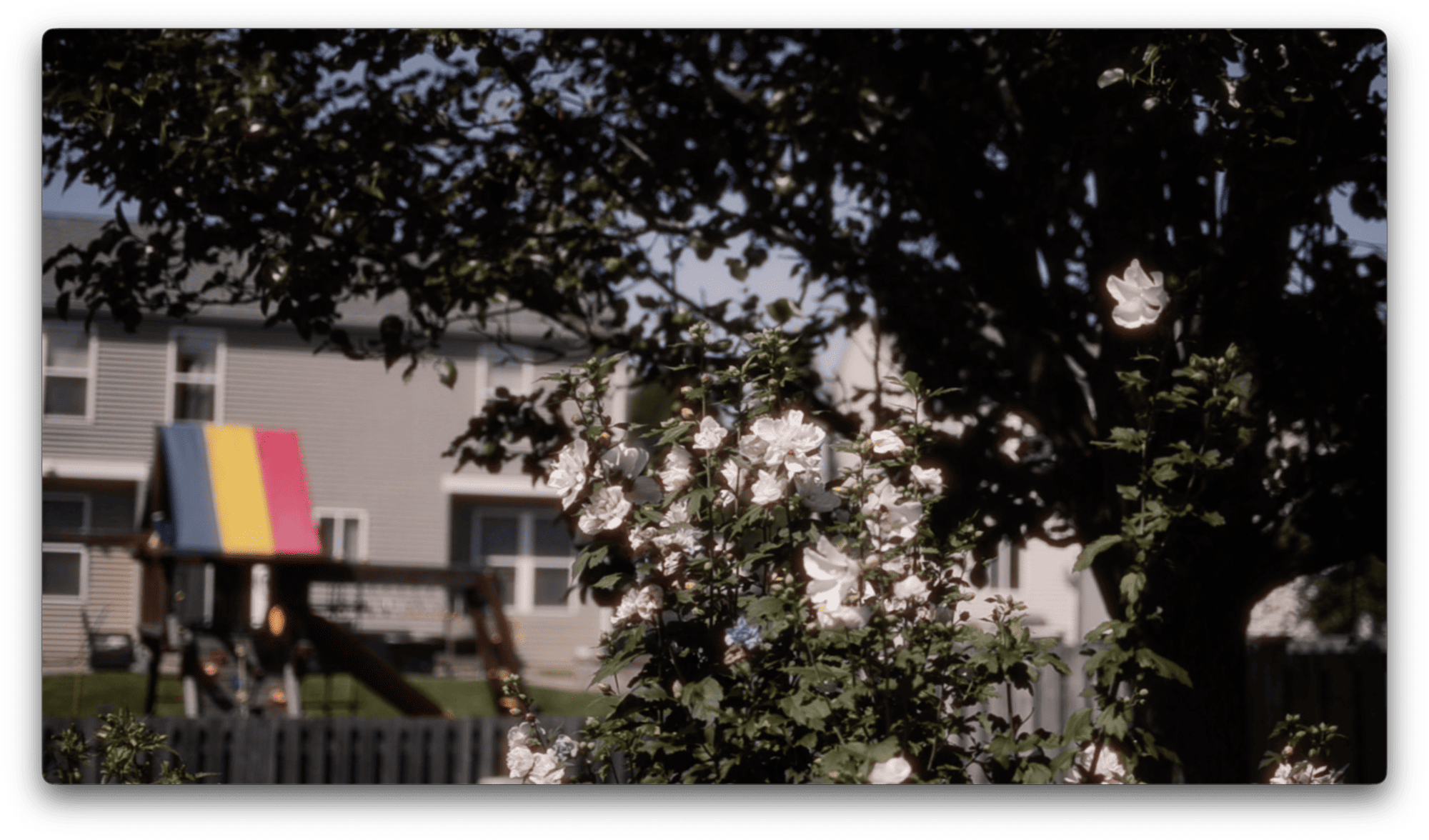
The soft focus and playful imagery evokes memory and youth.
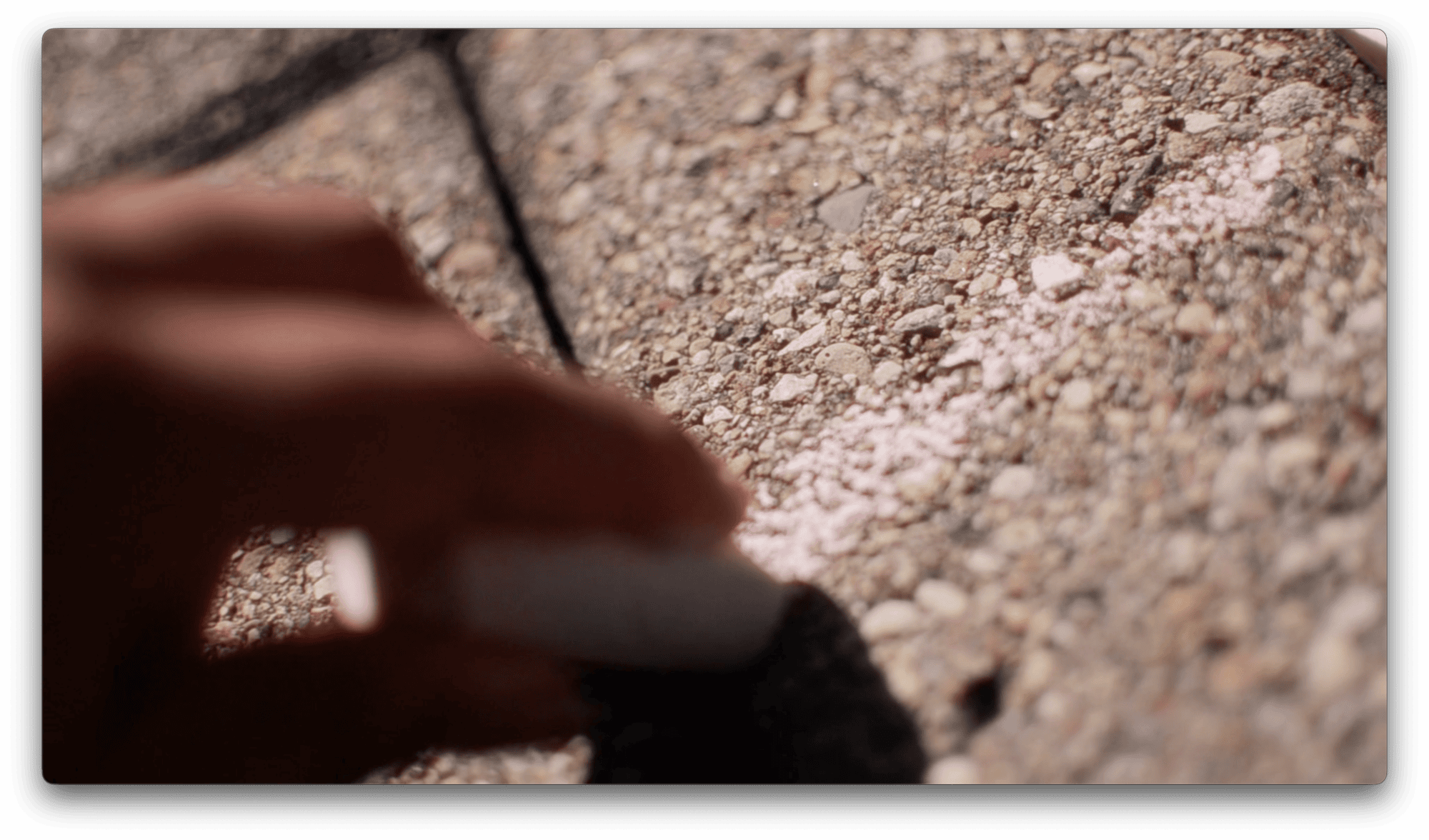
Soft chalk in soft focus.
In i’ll never be seventeen again, Makani perfectly captures the period of life she currently occupies, that edge of adulthood, yearning for the simplicity of childhood and fearing for the future. The cutaway shots build a soft world of warm memories that wraps her anxieties in a warm blanket. She poignantly reflects on her frustrations of youth passing through her fingers and the stress weighing down on her to the point of overwhelming her emotions.
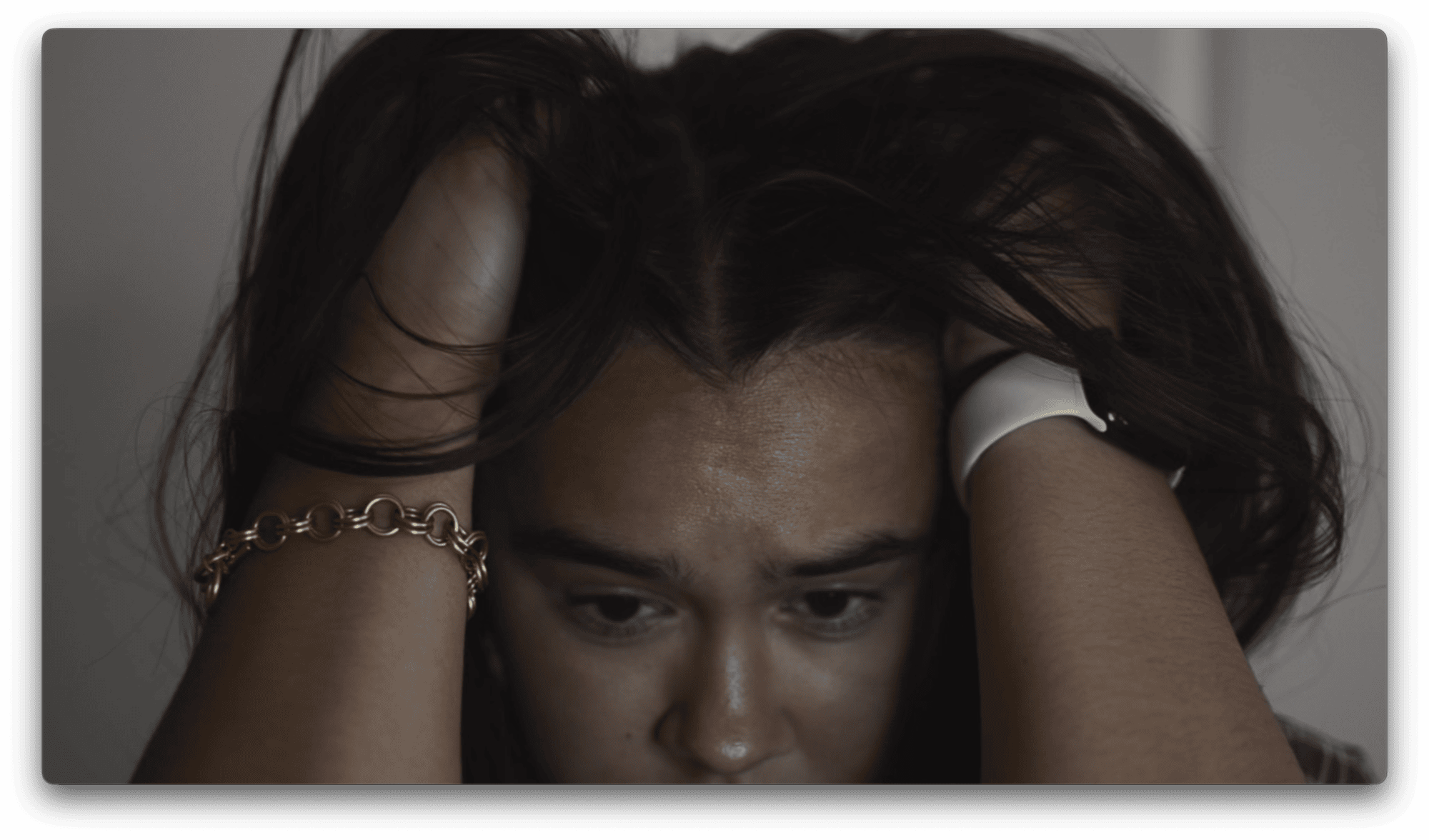
Distress, anxiety
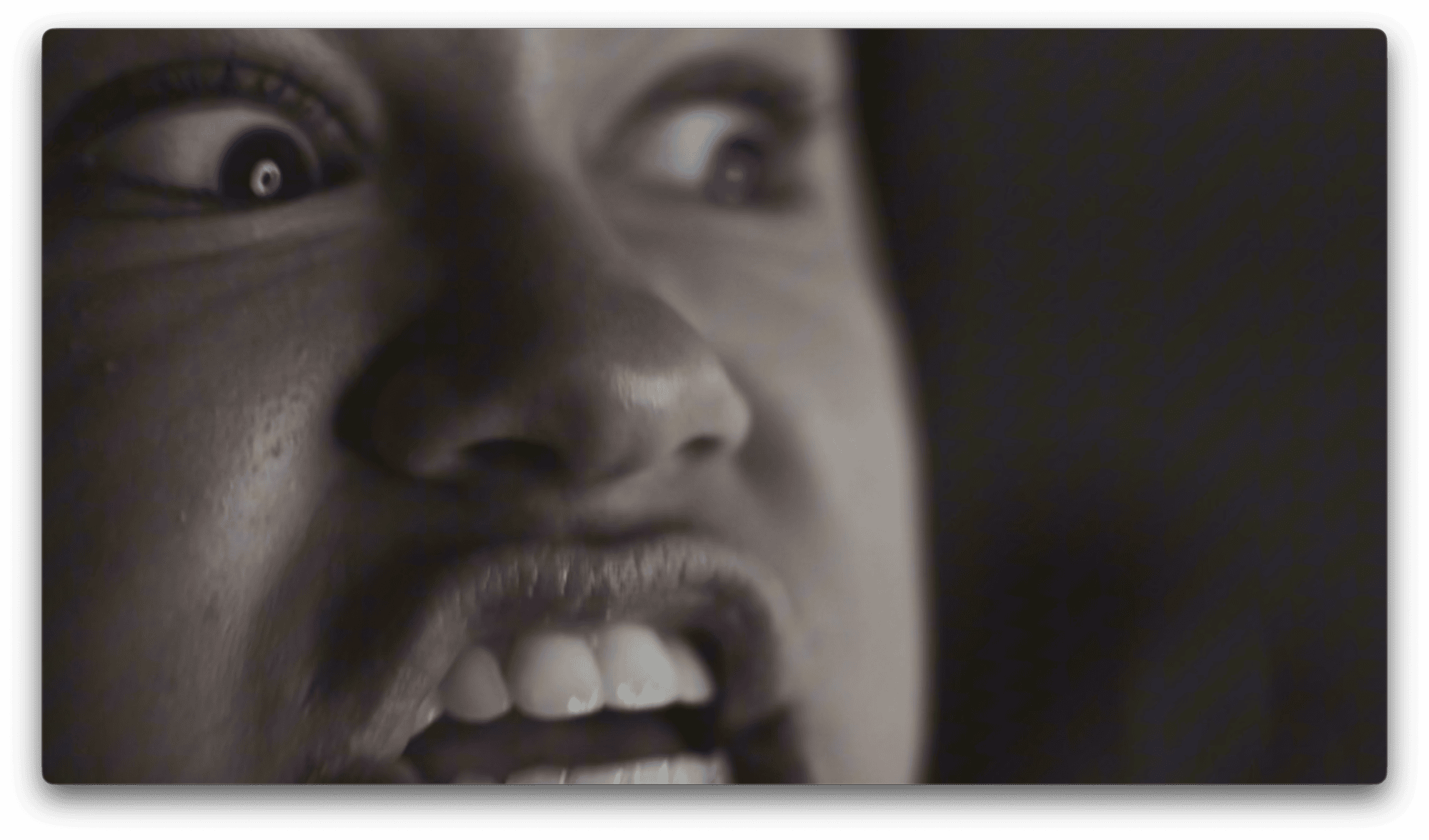
Rage.
After acknowledging her frustrations, Stingl lets us rest with a long one-shot of her hand as she fills out an anxiety workbook. After the screening, Stingl showed regret for not having time to edit that shot more concisely. But I disagree. The length of the shot lets the audience ruminate alongside the character, perhaps giving time to answer the questions in the workbook alongside her.
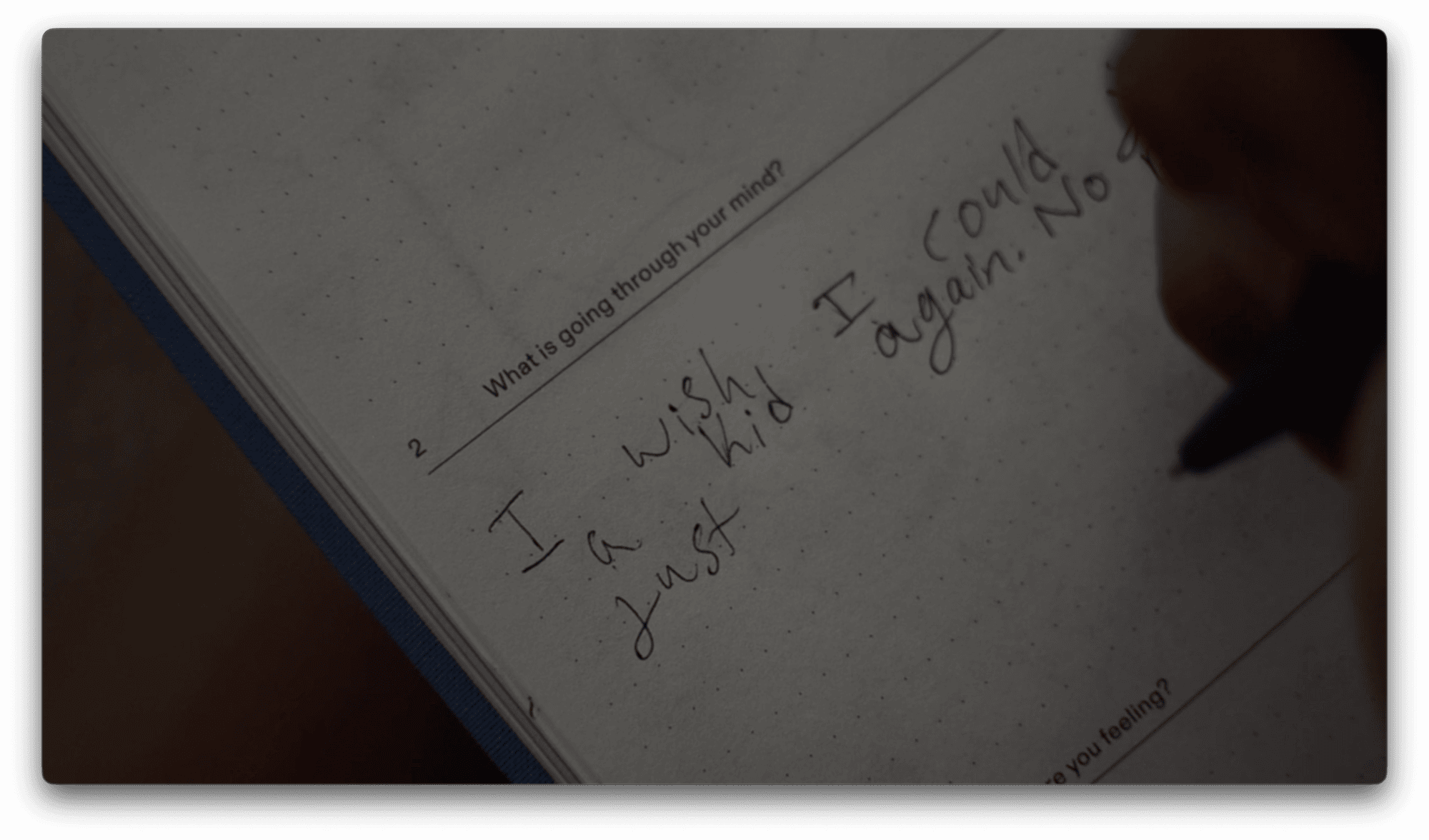
Just…what?
At some point, the camera loses focus on her writing, blurring into nothing. Stingl noted it as a mistake, yet it works perfectly to capture the blurry anxiety of an uncertain future. As she writes, empathy swells. The music underneath is subtle and perfectly matches the mood. When she paused at “Just,” it resonated with me. What is she thinking? I wish life were just easier? Less demanding? Cheaper? Quieter? For Makani, it’s just happier. Maybe it’s not the same for you.
After an emotional outburst causes her to shout at her brother, Makani’s character refocuses. She starts looking at the childhood remnants that fill her room, letting them bring back warm memories of the people in her life. With reflection, she’s able to acknowledge that she can only look back on the past fondly. Ruminating on the time she’s lost will only let the time slip past even faster. “And hey, I’ll never be 18 again.”
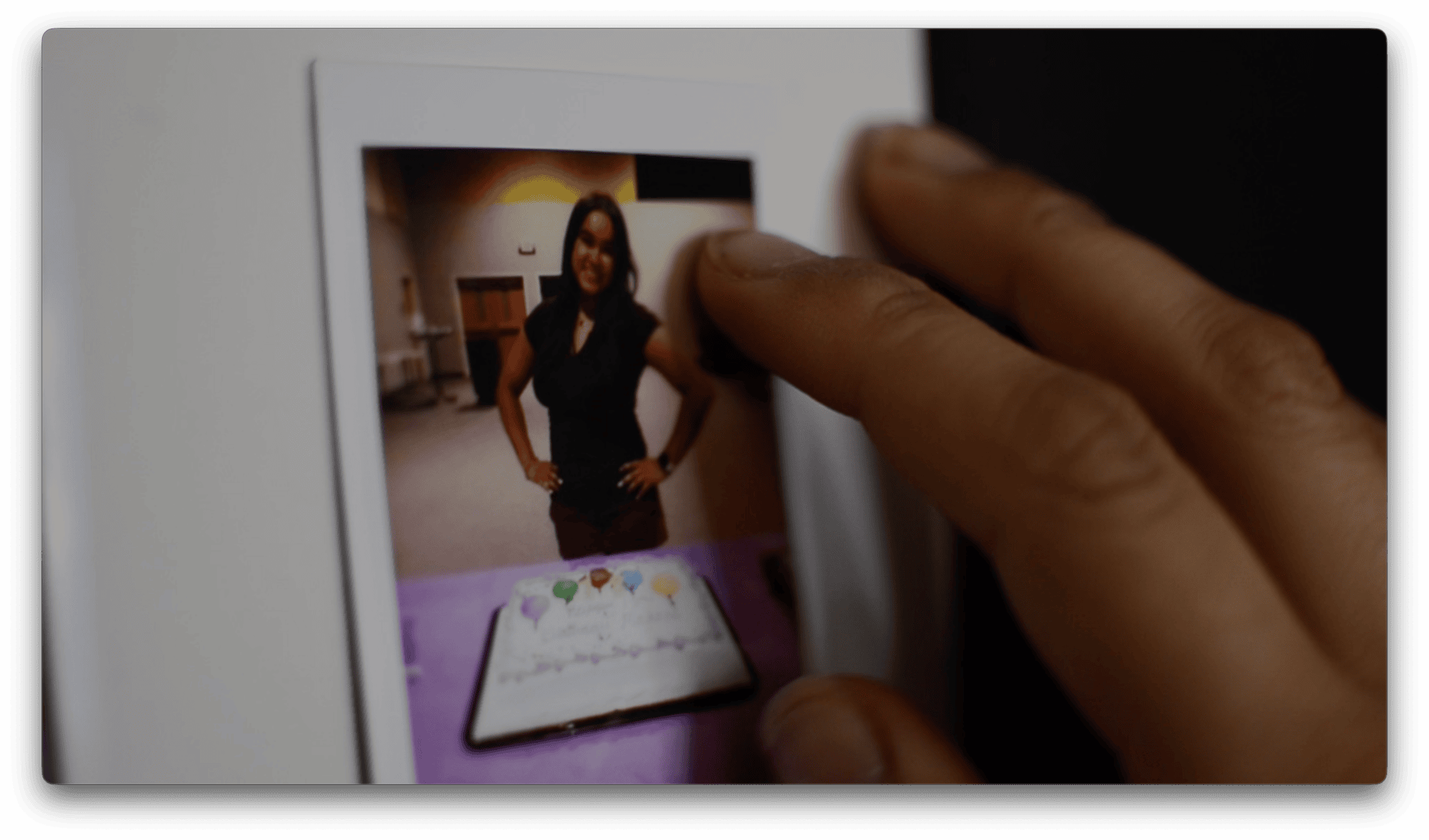
A fun birthday party
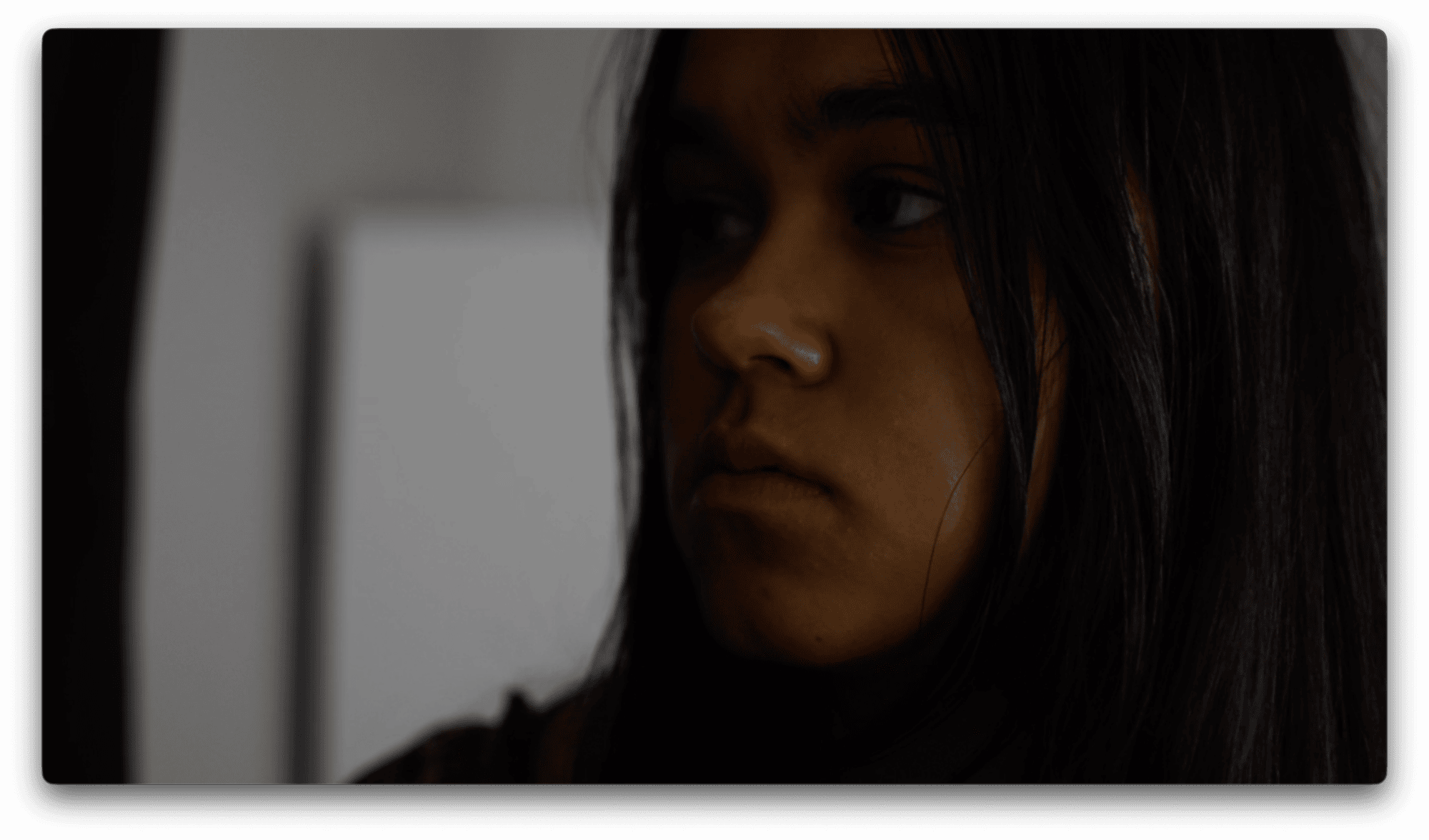
Reflecting on the memories.
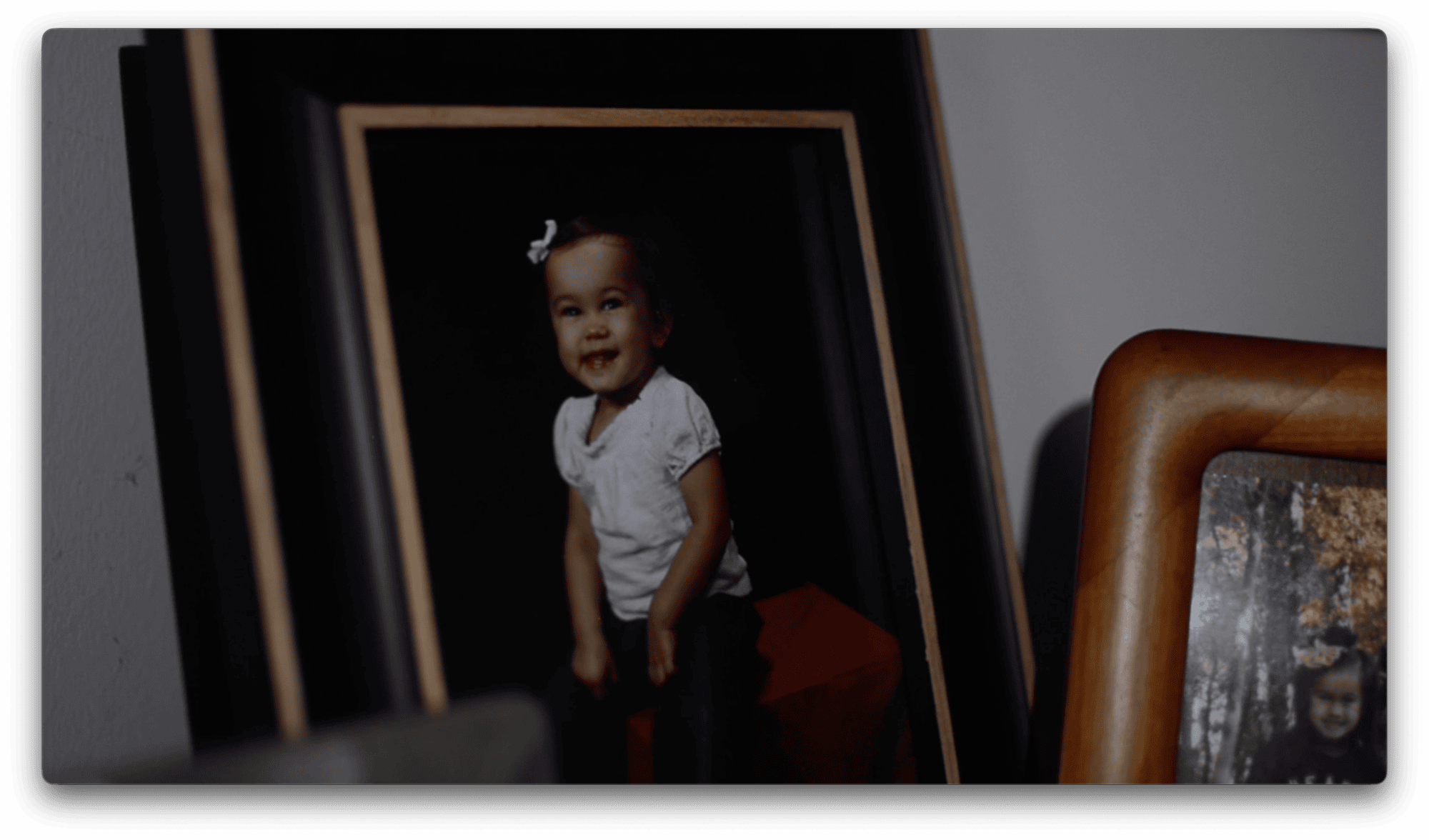
“I’ll never be two again.”
The texture of Stingl’s personal video footage of friends, her childhood toys and photos brings a layered texture to the film. Even if the work wasn’t autobiographical, it’s important to show these signs of life to add depth to your film’s world and characters. Stingl’s use of texture reminds me of the lovely Charlotte Wells, who also uses video footage and subtle details to masterful effect.
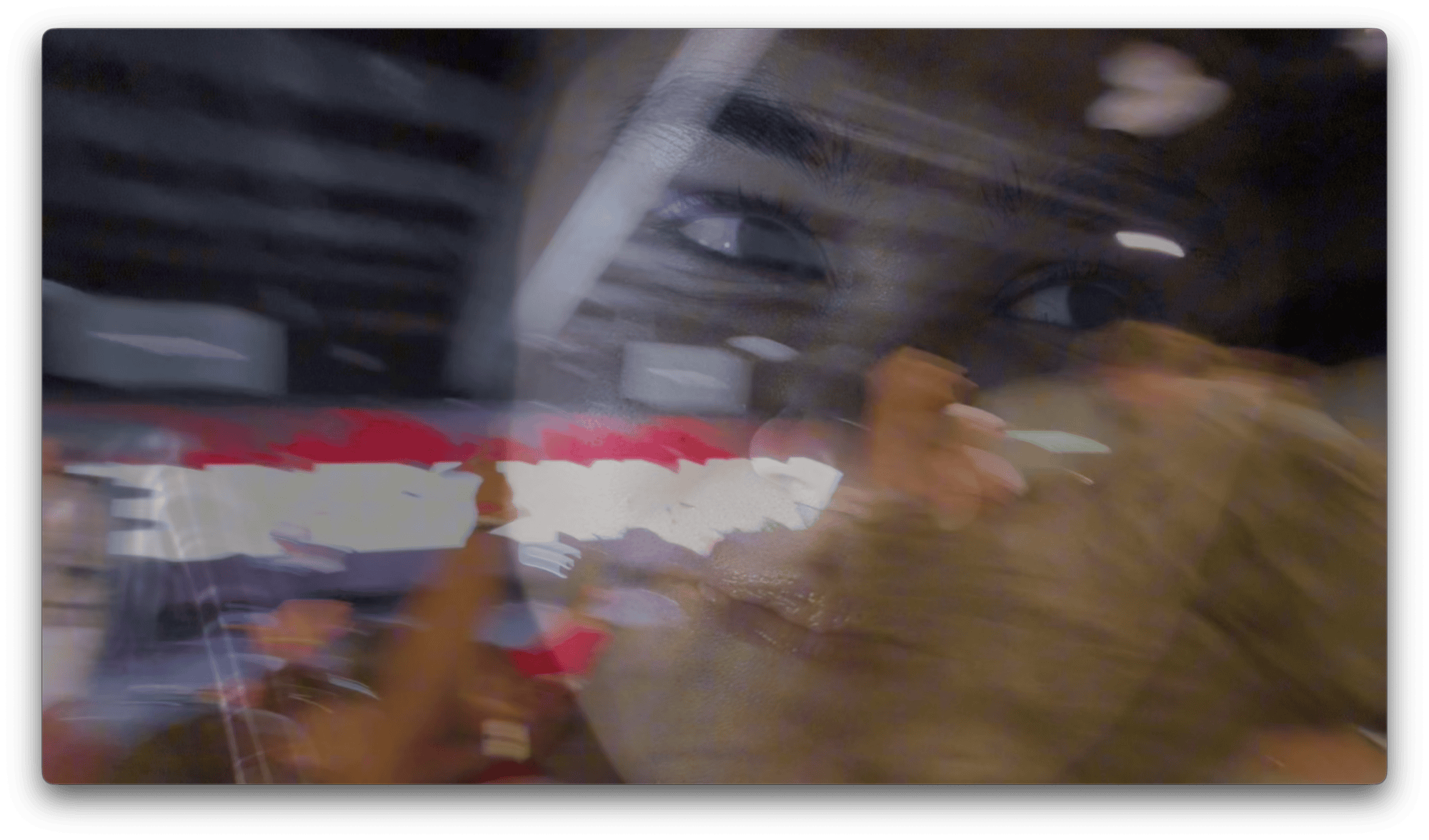
Focusing on positivity and embracing change feels so refreshing at a time when cynicism and fear for the future reign supreme. Makani Stingl’s work continues to inspire me, and I hope she continues on her filmmaking journey and brings another fantastic submission next year. Second place is well deserved.
Airbnb in the Woods
Isaiah Dilworth almost didn’t make it to this year’s competition. Despite checking in with me throughout the week, asking if certain images were okay to show, and if I could accept a late submission because he was having trouble cutting it down. I said yes again and again, but never saw his film hit my inbox. Then, on the night of the screening, Isaiah showed up with family in tow, explaining, “I don’t even want to be considered for a prize, but I wanted to come out and support everyone else and share what I have. I couldn’t get it under 10 minutes. I kept editing and editing, but couldn’t get there.” After his credits rolled, I said, “The great thing about this competition is that I make the rules. So… you’re in the running.” Despite its longer runtime technically being over the 8-minute maximum, its scope and ambition far outweighed the technicality.
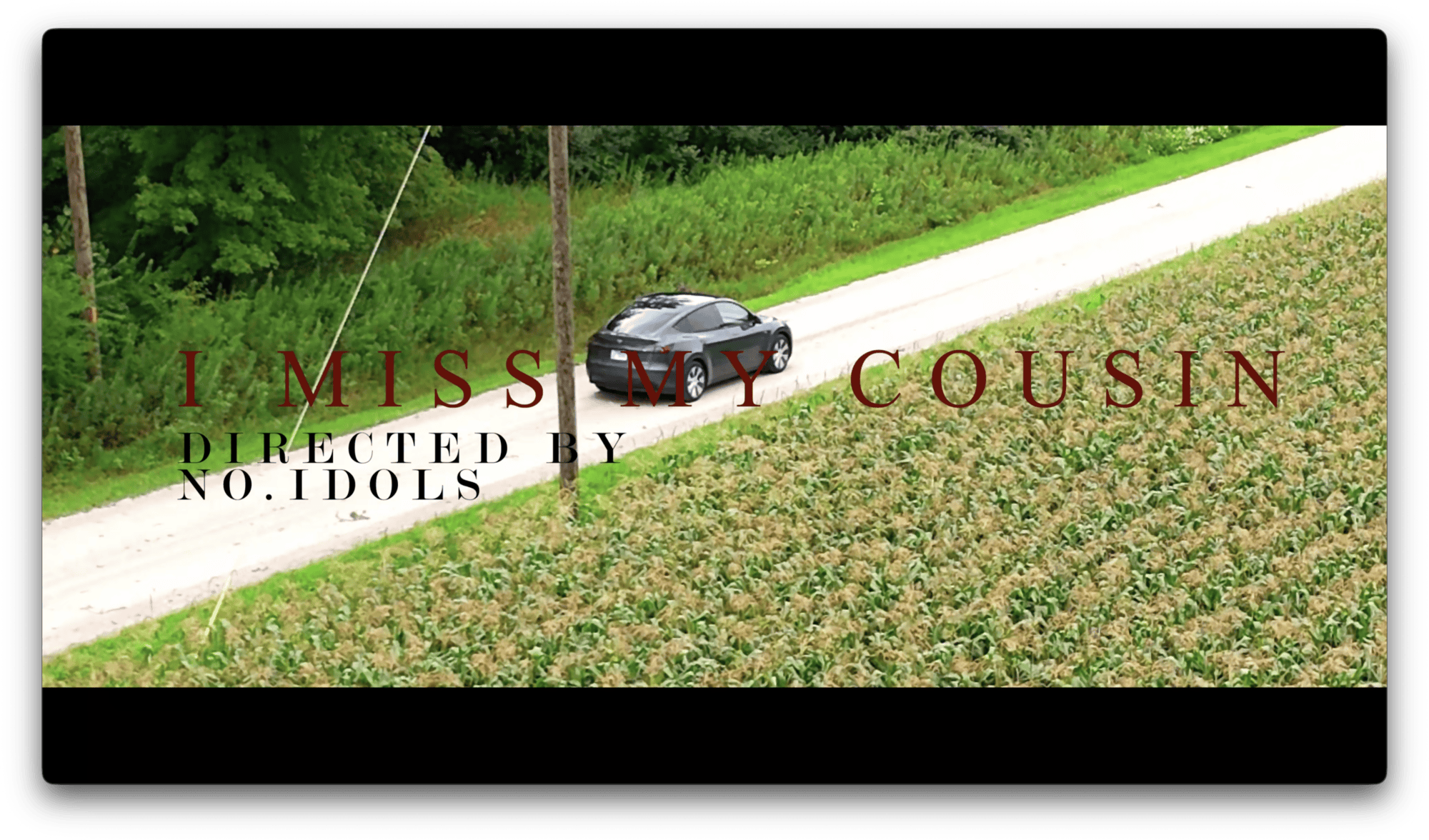
The film opens with a drone shot following a car down a country road. For an amateur film competition, this blew me away right out of the gate. A voiceover tells us we’re following a couple, James and Kim, who are having trouble connecting over Kim’s grief for her recently deceased cousin. There’s a quiet tension building as the couple bicker in the car and pull up to an isolated rental home, setting us up for a typical cabin in the woods story. Our harbinger and Airbnb host, Matt with the hat (played by the director himself), adds the first twist to that expectation. Though he initially appears shockingly without warning, he quickly diffuses the tension with his goofy demeanor, rhyming every line he exchanges with James and talking obsessively about his lucky hat. He leaves nearly as quickly as he came, but not before reminding the couple that there’s nobody around for miles.
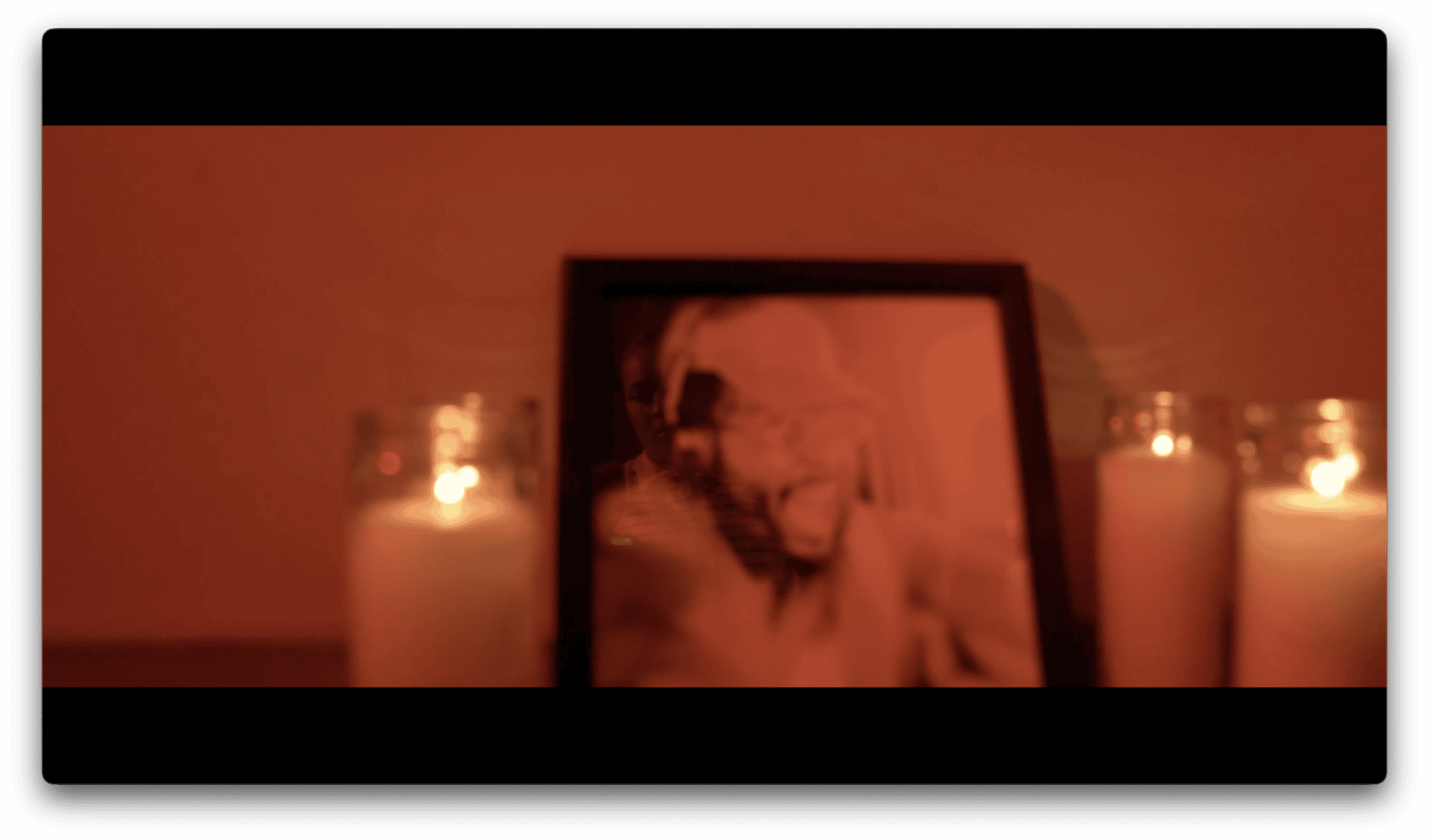
With Matt gone, James and Kim soon turn to arguing again, ending with Kim shouting, “You don’t understand what he meant to me, what I lost. I would trade you for him any day.” After she storms off, she explores her grief through a seance in a stunning scene steeped in red. Surrounded by candles, her reflection in her cousin’s photograph signals a deep connection between the two.
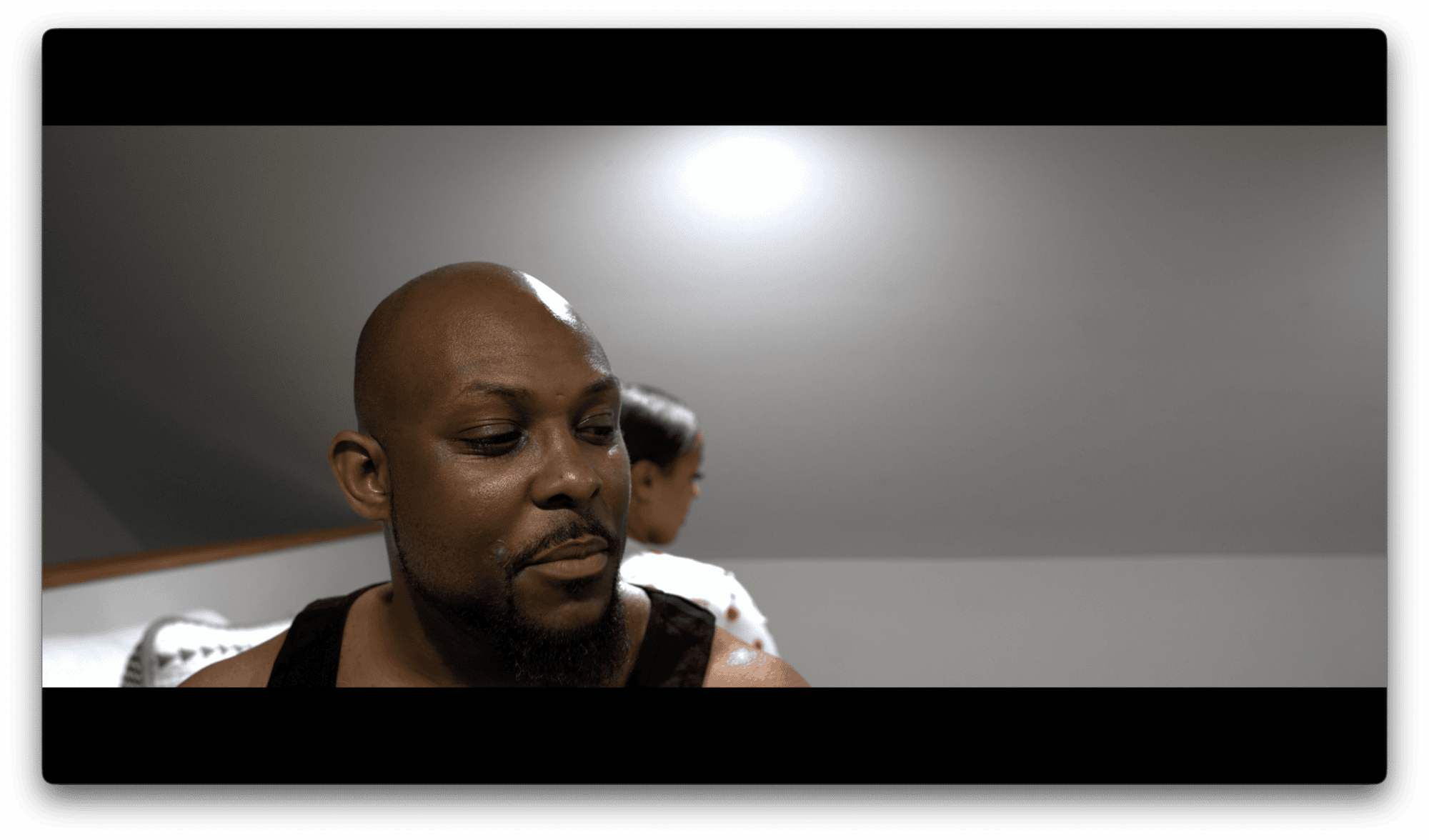
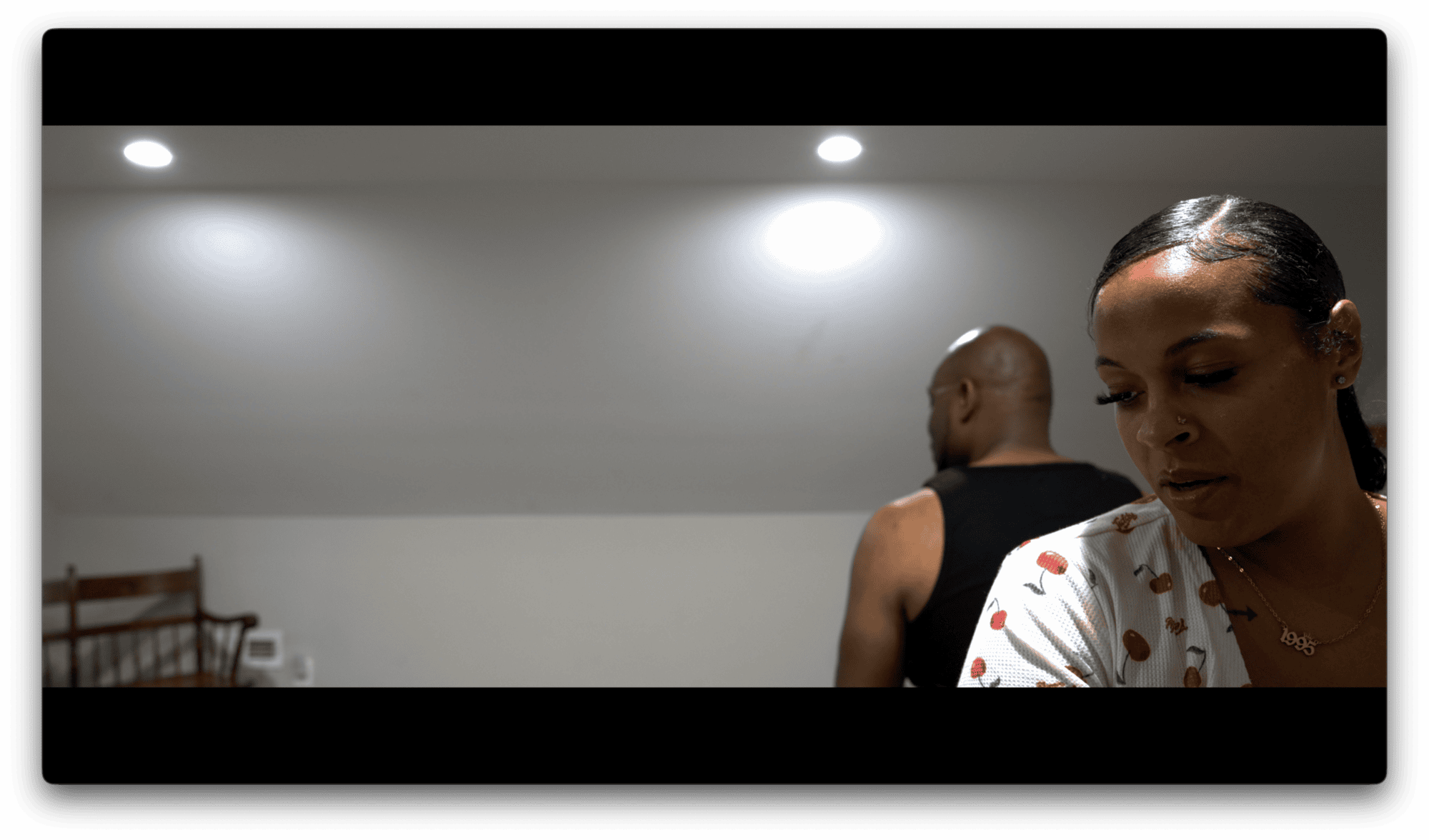
Once Kim has calmed, she and James settle down for the night. James attempts to reconnect with her, but both her body language and the cinematography prevent him from doing so. They speak to each other from opposite sides of the bed, backs turned to one another. This framing is visually stunning, but also shows the physical barrier between these two.
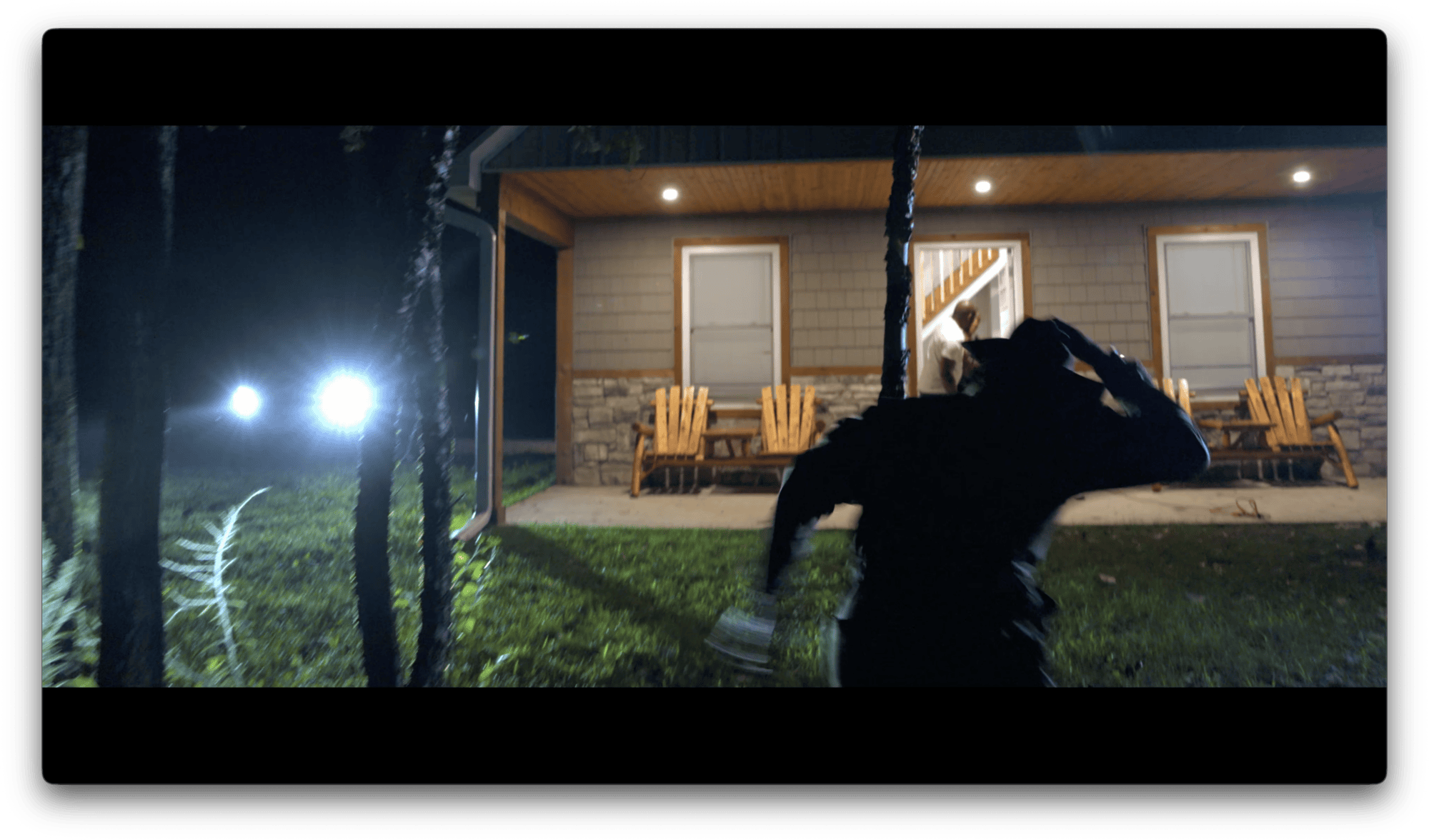
The tension between the couple continues right up until the climax, when James hears a noise outside the following day. They hadn’t heard from Matt, and James opens the door to discover a killer donning Matt’s precious lucky hat. Dilworth’s ingenuity has led to some really unexpected lighting and framing thus far, but this perhaps best shows his creativity. Instead of shooting day for night or losing all detail to this shadow of night, Dilworth simply turned on the car lights. A practical solution to make the scene legible, but it also gives the killer an eerie bluish glow when he’s first revealed. The bright lights leave the killer in a haunting silhouette, only giving us tidbits of information as she runs toward the house. James’s confusion quickly turns to fear as instincts kick in. That fear and energy continue right up until a surprising twist at the end, but you’ll just have to watch it to find out what happens next.
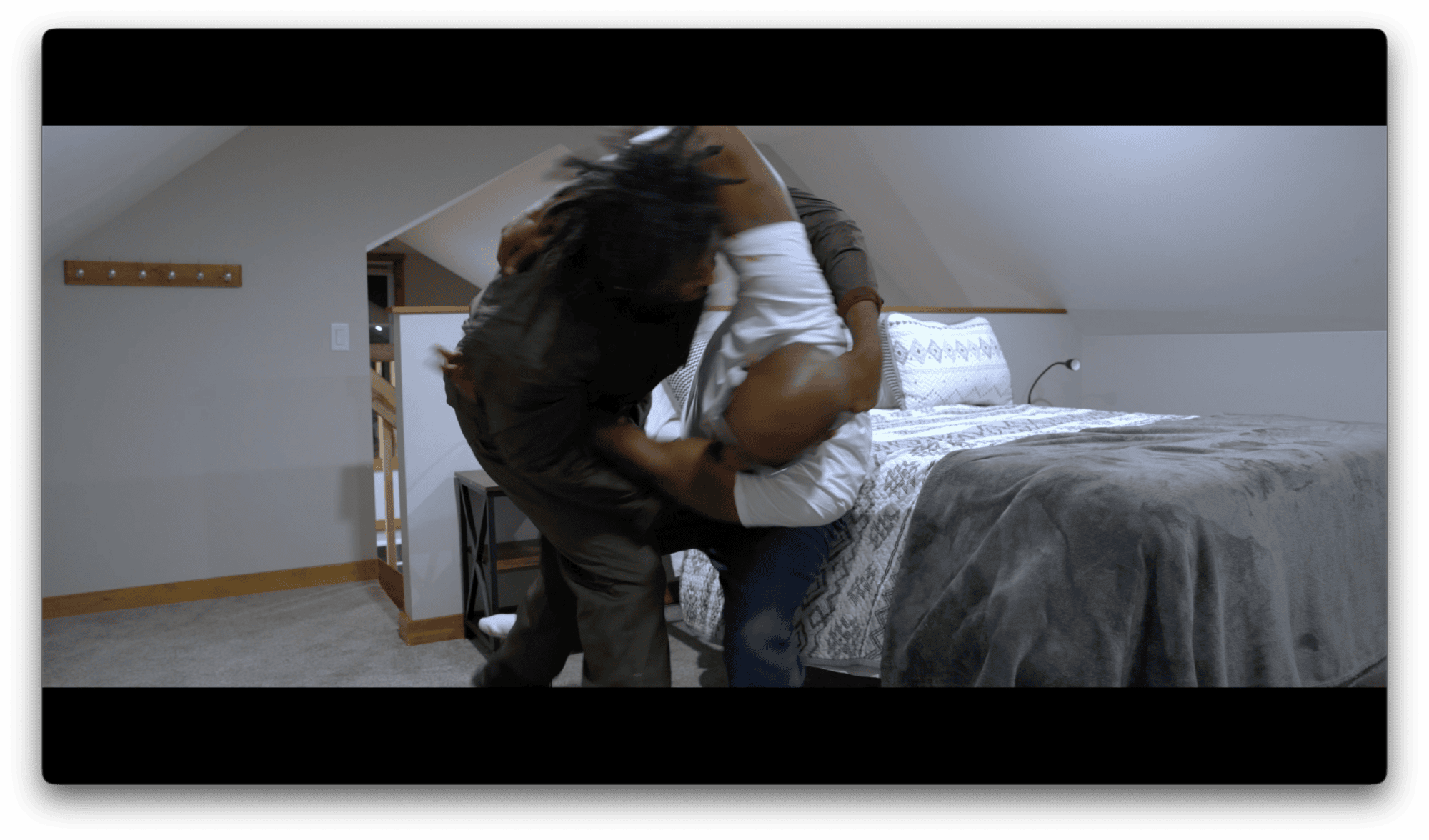
This take on the horror genre is genuinely funny and clever in its twists. Truly an ambitious project for a first-time filmmaker. The camerawork is impressive and well-directed. Simply being able to follow characters through a space can be a challenge when starting out (I’ve certainly watched my fair share of bad movies that can’t get that right). But Dilworth makes tons of creative directorial decisions on top of that. Also, I must mention the sheer audacity to have fight choreography in your first film. If you nudge the scene frame by frame, you might notice the actors smiling as they tousle together, but the way they throw each other across the room still creates a convincing climax in their fight to the death. This is cinema. First place couldn’t have gone to anyone else.
Feeling Inspired?
If you want to join the likes of these directors, come to ShortHaus Cinema! ShortHaus is our monthly short film program where we focus on getting started in filmmaking and finding inspiration in the shorts of the greats. Each month, we focus on one major director’s work, but also share films and exchange feedback on works finished or in progress. We’ve done script reads, reviewed animations and critiqued the work of our local creatives. We’d love for you to join us!
October: Luis Buñuel
Tuesday, October 6, 7–8 p.m. (Drop in)
Buñuel loves absurdity as much as our competitors this year. An influential surrealist filmmaker, he is best known for his collaboration with Salvador Dalí on Un Chien Andalou (1929). Buñuel was an active filmmaker in both Spain and Mexico, making him a fitting choice for Hispanic Heritage Month. But the unsettling imagery in his surrealist spectacles also makes for a lovely Halloween affair. You can find Buñuel’s work on Kanopy or in our DVD collection.
November: Sterlin Harjo
Tuesday, November 10, 7–8 p.m. (Drop in)
For Native American Heritage Month, I chose the director Sterlin Harjo, a citizen of the Seminole Nation of Oklahoma and a Muscogee descendant. Herjo has directed several feature-length films, but his most well-known work is probably his collaboration with previously featured director Taika Waititi: the Hulu original Reservation Dogs. You can find Harjo’s independent work on Kanopy.